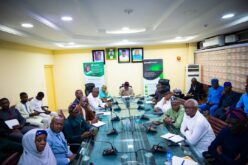
Kelechi Ohiri, director-general and CEO of the National Health Insurance Authority (NHIA), has cautioned that if Nigeria does not commit to substantial, long-term human capital development, the severe sociopolitical unrest seen in parts of the Middle East, where large, restless youth populations lack jobs, skills, and basic healthcare could come upon the country.
This means the most populous African country is on the brink of a critical demographic tipping point unless it swiftly shifts its developmental focus toward its people.
Ohiri issued the warning during a panel session, titled “Technology, Wellbeing and Workforce Efficiency” during BusinessDay’s 14th Annual CEO Forum Thursday. The panel session, examined how artificial intelligence, digital infrastructure, healthcare access, and organisational well-being must collectively pivot to rescue and build a competitive, future-ready workforce.
Read also:Nigeria’s human capital index at 36% limits economic growth
In redefining human capital as the ultimate economic driver, Olayinka David-West, professor and dean of the Lagos Business School (LBS), who moderated the panel, questioned how organisations and the state can collectively rethink well-being to unlock genuine economic prosperity.
She pointed out that building an economy is impossible without prioritising its workers, especially given Nigeria’s lagging position on global labour productivity indices.
Read also:Beyond roads and power: Who will finance human capital infrastructure for Africa’s workforce?
Ohiri also observed that while governments frequently focus on hard infrastructure and energy, they regularly overlook the country’s ultimate engine of growth: its people. To illustrate the power of human capital, he highlighted how East Asian economies, such as Indonesia, successfully engineered remarkable economic transformations four decades ago by being highly intentional with their investments in health, education, and demographic management.
Conversely, Nigeria’s historic lack of investment directly impacts the private sector today. Ohiri explained that every chief executive’s primary headache remains talent acquisition, a challenge that has been severely exacerbated by a relentless brain drain, particularly within the healthcare sector.
The NHIA boss asserted that bridging these structural gaps is crucial for survival, and believes that building a resilient, stronger, and globally competitive economy is fundamentally impossible without deliberate, structural investments across key human capital development (HCD) sectors, notably health, education, and social welfare.

Join BusinessDay whatsapp Channel, to stay up to date
Open In Whatsapp