Donald Trump, United States president, has scrapped his proposed 20 percent fee on ships using the Strait of Hormuz, saying he will instead pursue what he described as “massive” trade and investment agreements with Gulf states while maintaining a blockade on Iranian shipping.
Read also: oil-price-hits-85-as-trump-revives-iran-blockade-hormuz-risks-deepen
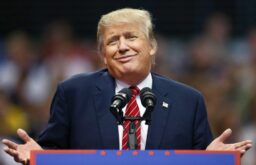
In a post on Truth Social on Tuesday, Trump said he had decided to “replace the 20% United States Reimbursement Fee with Trade and Investment Deals that the various Gulf States will be making into the United States.”
“Those Investments will be MASSIVE but, at the same time, extraordinarily good for them, and their future,” he wrote.
The announcement marks a sharp change in the administration’s approach just a day after Trump unveiled the proposed fee, arguing that countries using the world’s most important oil shipping route should help cover the cost of American efforts to secure it.
The latest move suggests the White House is placing greater emphasis on attracting foreign investment than collecting transit charges. Securing overseas investment has been a recurring objective of Trump’s administration, often featuring in discussions with trading partners alongside tariffs and broader economic negotiations.
However, Trump offered no details about the proposed agreements, and Gulf governments have not publicly confirmed any investment commitments.
Read also: us-to-charge-ships-20-for-protected-passage-through-strait-of-hormuz
While abandoning the transit fee, Trump left intact his tougher measures against Iran.
“The Strait of Hormuz is open to ALL Ship traffic except for Iran,” he wrote, accusing Iran’s leadership of pursuing “TOTAL DESTRUCTION.”
He added that a “full blockade” would apply only to ships travelling to or from Iranian ports or carrying Iranian cargo.
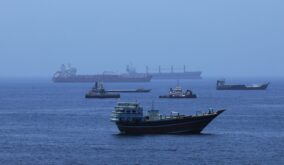
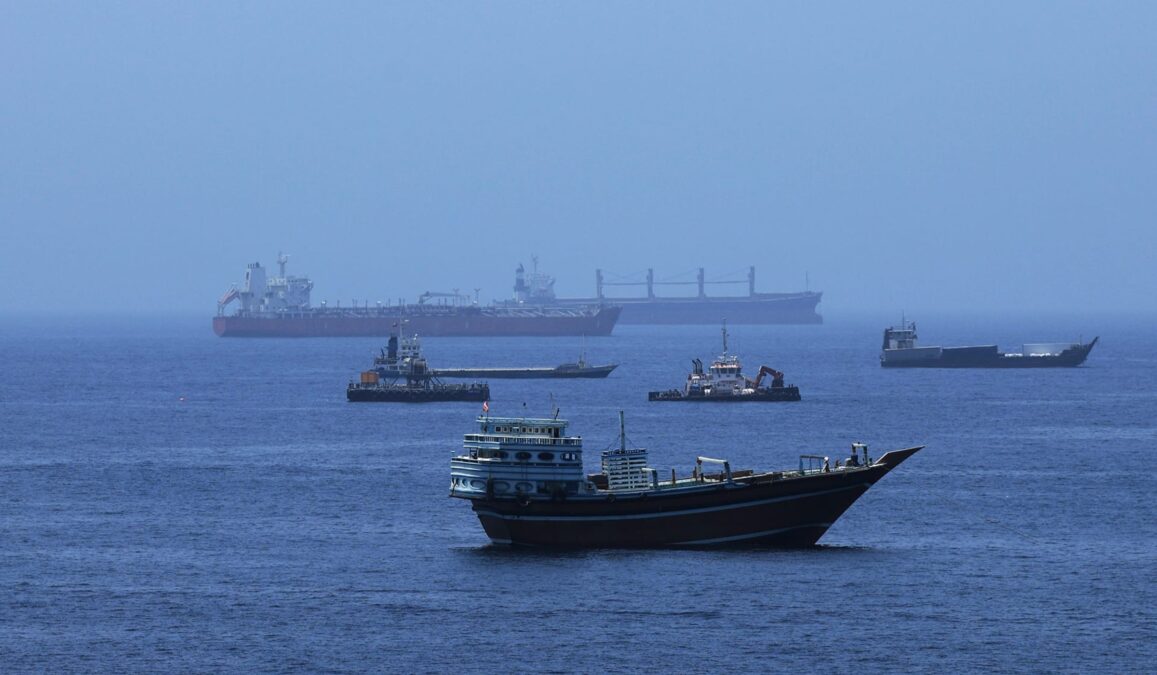
The comments signal that Washington intends to keep pressure on Tehran while avoiding measures that could disrupt wider global shipping through the narrow waterway, which carries about one fifth of the world’s oil supplies.
Trump also declared that Iran’s days of killing protesters were “over”, although he did not explain how his administration intended to influence Iran’s domestic policies.
The remark raised fresh questions because human rights and political reforms were absent from the recently agreed 14 point memorandum that extended the ceasefire between the United States and Iran.
Trump is expected to provide further details when he speaks from the Oval Office later on Tuesday.

Join BusinessDay whatsapp Channel, to stay up to date
Open In Whatsapp