Oil prices extended Monday’s rally into Asian trading on Tuesday, pushing Brent crude to its highest level in a month as renewed hostilities between the United States and Iran and Washington’s renewed blockade of Iranian oil exports injected fresh geopolitical risk into global energy markets.
International benchmark Brent crude climbed 2.24 percent to $85.17 per barrel, exceeding the $85 threshold, while US benchmark West Texas Intermediate (WTI) gained 2.46 percent to $80.06 per barrel.
The latest gains come after both benchmarks surged eight percent on Monday, leaving oil prices 12 percent higher than their levels last Friday.
Markets have been forced to reassess expectations that shipping traffic through the Strait of Hormuz would quickly return to normal following the June memorandum of understanding signed by Washington and Tehran, which aimed to open negotiations over the conflict.
Rather, traders are now pricing in the possibility of prolonged disruptions to one of the world’s most important oil transit routes.
The Strait of Hormuz handles nearly one-fifth of global oil consumption and a significant share of liquefied natural gas exports, making any disruption to shipping flows an immediate concern for global energy markets.
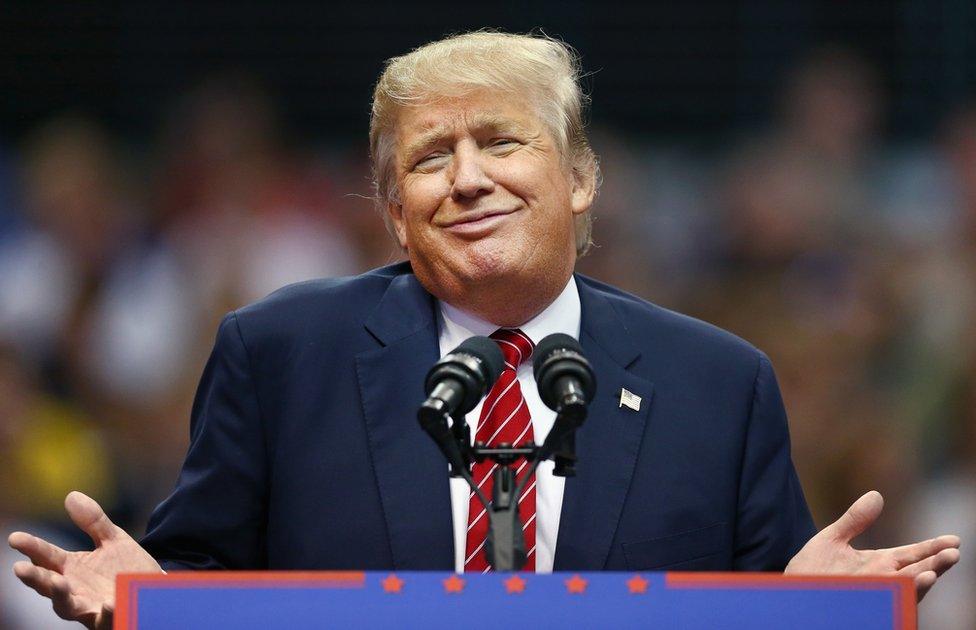
The latest rally was triggered by the renewed escalation in tensions over the weekend and by US President Donald Trump’s subsequent announcement that Washington would reinstate its blockade of Iranian oil exports.
The market reaction reflects growing concerns that any recovery in oil flows through the Gulf may prove more complicated and slower than initially anticipated.
Adding to the uncertainty are comments by Trump proposing a 20 percent fee for the United States acting as what he described as the “Guardian of the Hormuz Strait” and covering the costs associated with securing maritime traffic through the volatile waterway.
Trump said the charge would apply to cover “any and all costs necessary to do the job of providing safety and security to this very volatile section of the world.”
The proposal has generated confusion among market participants and analysts, many of whom are questioning both its practicality and whether it is intended as a serious policy measure.
“There are few details on how this would work, or how serious Trump is about it,” ING commodity strategists Warren Patterson and Ewa Manthey said in a market note on Tuesday.
According to ING’s estimates, applying a 20 percent charge to a supertanker carrying approximately two million barrels of crude oil priced at $80 per barrel would amount to around $32 million, equivalent to an additional $16 per barrel in transportation costs.
The analysts noted that the proposed fee would be significantly higher than the $1 per barrel transit charge that Iran had previously advocated for vessels using the Strait.
The developments mark a sharp reversal from the relatively calmer trading conditions that dominated oil markets over recent weeks as investors anticipated progress in diplomatic negotiations between Washington and Tehran.
Instead, the market has begun the week confronting the prospect that the normalisation of oil flows through the Strait of Hormuz may not be straightforward.
For oil-exporting countries such as Nigeria, higher crude prices provide immediate support for government revenues, export earnings and foreign exchange inflows.
However, sustained disruptions to global oil flows or higher shipping costs could increase volatility across energy markets and lead to higher fuel prices for importing economies.
Analysts said oil prices will remain highly sensitive to developments in the Gulf in the coming days, with attention focused on shipping traffic through Hormuz and any further policy announcements from Washington or Tehran.
Any additional disruption to crude exports from the region could push Brent above the $85 per barrel level for the first time since the latest round of hostilities began.

Join BusinessDay whatsapp Channel, to stay up to date
Open In Whatsapp