Every major national transformation has an unseen force behind it. In the industrial age, it was engineers who translated ideas into infrastructure. In the internet era, it was network builders and platform pioneers who turned connectivity into socioeconomic change.
In the age of artificial intelligence (AI), however, it is policymakers and public sector officials who will determine whether AI becomes a driver of prosperity or a missed opportunity.
Microsoft West Africa says that, across the world, evidence is mounting that the countries making the fastest progress with AI are not necessarily those with the most advanced technology, but those that invested early in institutional capability.
The company’s recent research shows that countries accelerating AI adoption deployed it within the public sector early on, well before generative AI became widely accessible. It was introduced gradually, embedded into public services and governance processes, and socialized through national conversations. When generative AI arrived, it felt familiar rather than disruptive.
Research from the OECD explains why this sequencing matters. Studies show that AI delivers gains in efficiency, accountability, and responsiveness only when governments have the skills to move beyond experimentation.
Where civil servants understand the technology well enough to ask informed questions, coordinate across agencies and exercise oversight, AI initiatives are more likely to scale.
Many governments today are running AI pilots, but where AI literacy is uneven, projects often struggle to scale or fail to translate into lasting public value.
In keeping pace with the rapid evolution of AI, Nigeria’s ambition is clear. The National AI Strategy sets out a vision of ethical, inclusive AI anchored in local talent, strong governance and strategic partnerships.
This reflects a deep understanding that the AI opportunity begins with a new era of governance. With the country positioning for AI leadership on the continent, the opportunity to accelerate AI diffusion remains palpable.
Growth in National AI adoption in 2025 was evident, albeit modest, with studies pointing to skills gaps, particularly in data engineering, machine learning, and AI system optimization.
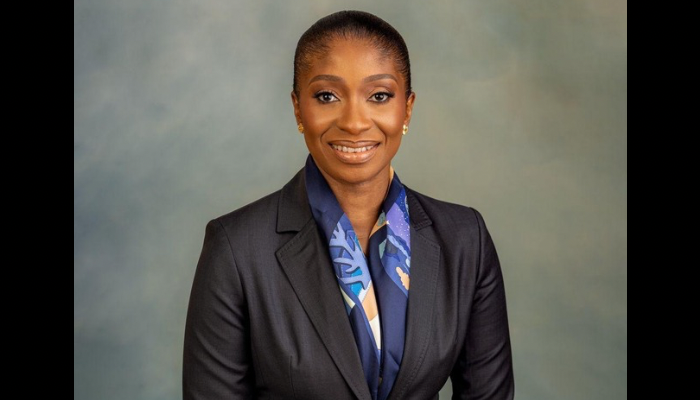
“This aligns with broader ecosystem insights that identify skills development as central to accelerating adoption and readiness,” Nonye Ujam, Government Affairs Director at Microsoft West Africa, said.
Ujam noted that this challenge is not unique to Nigeria, adding that, globally, the pace of AI advancement is outstripping the ability of institutions to keep up. Governments are navigating how to adapt policy, regulation, and delivery systems in real time.
Historically, effective public sector reform has been anchored in capability. Financial systems improve when regulators understand markets, and health systems work when administrators understand delivery systems.
AI follows the same logic, and according to Ujam, public sector leaders do not need to become technologists, but they do require sufficient fluency to design effective policies, assess risk, and guide innovation with confidence.
What building public sector skills looks like in practice
She cites global research that suggests effective public sector skilling follows a clear progression. It begins with understanding where skills gaps exist across institutions and using that insight to shape learning priorities.
“In many countries, this work starts at the leadership and policymaker level. Governments that make early progress with AI ensure that senior officials and legislators have a working understanding of emerging technologies, enabling them to shape laws, policies, and oversight frameworks with foresight rather than hindsight,” she said.
Leading public institutions increasingly recognize that AI capability must also be built across non-technical roles, raising overall digital literacy and ensuring that decisionmakers throughout the organization can engage meaningfully with technological change.

Join BusinessDay whatsapp Channel, to stay up to date
Open In Whatsapp