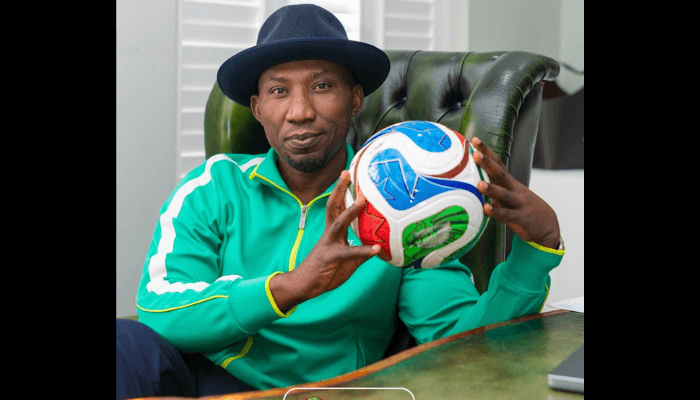
For decades, Nigeria has produced world-class athletes despite weak grassroots structures, poor infrastructure and inconsistent investment. While football continues to dominate public attention and government spending, other sports with significant medal and commercial potential remain largely underfunded. For Yemi Edun, group managing director of Daniel Ford International and a long-time sports enthusiast, that imbalance represents one of the country’s biggest missed opportunities. Having attended almost every FIFA World Cup since 2006, including the 2026 tournament in Mexico, Edun has seen firsthand how nations transform sports into thriving industries that create jobs, attract investment and promote tourism. His sporting journey began in Surulere, Lagos, where growing up near the National Stadium exposed him to elite athletes from an early age. Today, his passion extends beyond football into grassroots development through investments in chess and table tennis, where his initiatives have already produced national and regional champions. In this interview with KENNETH ATHEKAME, Edun speaks on rebuilding Nigeria’s grassroots sports ecosystem, why the country must diversify investment beyond football, and how sport can become a major contributor to economic growth. Excerpt:
Your sporting journey began around the National Stadium in Surulere. Looking back, how did those early experiences shape your views on grassroots sports development?
Growing up around the National Stadium made sport a natural part of everyday life. We watched the national teams train, attended competitions and saw elite athletes up close. Those experiences convinced me that when young people have access to facilities, coaches and competitions, they begin to believe they can succeed through sport. That belief is the foundation of every successful sporting nation.
Nigeria has invested heavily in football for decades. Is it time to rethink that strategy?
Football deserves continued investment because of its popularity, but Nigeria cannot afford to build its entire sports ecosystem around one game. We have exceptional talent in athletics, basketball, table tennis, chess and several other sports. Diversifying investment expands opportunities for young people and increases Nigeria’s chances of producing world champions across multiple disciplines.
Many public sports facilities have deteriorated over the years. What lessons can Nigeria learn from the National Stadium of the past?
The National Stadium was much more than a venue for major events. It was a centre for training, talent discovery and community engagement. Today, we should focus not only on rehabilitating facilities but also on ensuring they are actively used through coaching programmes, competitions and year-round community access.
Having attended almost every FIFA World Cup since 2006, what separates successful sporting nations from Nigeria?
The biggest difference is consistency. Countries that succeed do not begin preparing a few months before international competitions. They invest continuously in schools, academies, coaching, sports science, athlete welfare and talent identification. Nigeria has the talent; what we need is a system that consistently develops it.
Your support for chess and table tennis has produced impressive results. What does that tell you about Nigeria’s untapped sporting potential?
It confirms that talent already exists. What is missing is opportunity. When young athletes receive quality coaching, structured competitions and the right support, they progress quickly. Our table tennis programme produced national and West African champions much earlier than we anticipated, demonstrating what is possible with sustained investment.
Can sports become a meaningful contributor to Nigeria’s economy?
Absolutely. The sports economy extends far beyond athletes. It includes broadcasting, merchandising, hospitality, tourism, infrastructure, sports medicine, technology, media and event management. Countries that have developed these ecosystems generate billions of dollars annually. Nigeria has the talent and the audience; what remains is building the institutions and businesses that convert passion into economic value.
What should the government do to encourage greater private-sector investment?
The government should introduce stronger tax incentives and transparent public-private partnership frameworks for companies investing in grassroots sports. Businesses need confidence that facilities will be properly managed and programmes sustained beyond political cycles. When governance improves, private investment will naturally increase.
What role should local governments and schools play?
Grassroots development begins in communities and schools. Local governments should organise regular competitions, maintain facilities and work closely with schools and coaches to identify talent early. Reviving inter-school sports competitions is essential if Nigeria wants to establish a sustainable pipeline of future champions.
If you had the opportunity to redesign Nigeria’s sports development strategy, what would be your first priority?
I would start with grassroots development. Every international champion begins somewhere, usually in a school, local club or community competition. If we invest consistently in those foundations, the results will eventually be seen at continental and global competitions. Sustainable sporting success is built from the ground up, not from the top down.

Join BusinessDay whatsapp Channel, to stay up to date
Open In Whatsapp