…urges Nigerians to embrace the NIN initiative
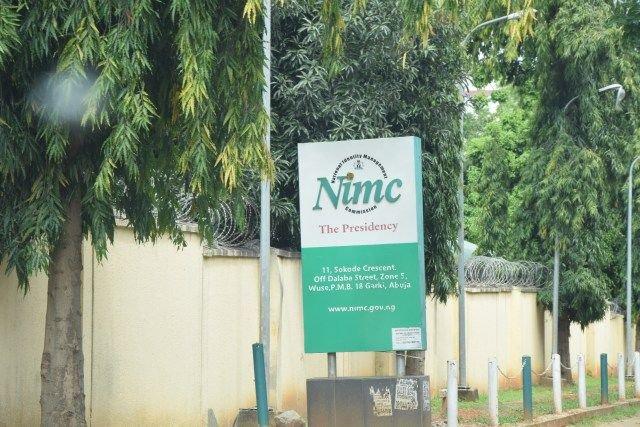
First Lady, Oluremi Tinubu, has identified accurate population database as strong prerequisite for effective planning, urging Nigerians to embrace the National Identification Number NIN, by registering to obtain their NIN
The First Lady, in a statement she personally signed on the occasion of World Population Day 2026, also called for greater investments in human capital development
Describing human population as the world’s greatest asset, the Nigeria First Lady called on global community to support ” commitment to building a future where every individual, especially women and young people, have access to quality healthcare, education, and opportunities to reach their full potential.
The First Lady who had demonstrated strong support for the development of human capital through her Renewed Hope Initiative, launched in June, 2023, had focused on five (5) key areas of Healthcare Interventions, support for agriculture; Women and Youth empowerment; education and social welfare
Through the initiative, she has raised and disbursed over N100b spread across the five key areas of focus, especially supporting vulnerable women, widows, and petty traders across all 36 states of the federation
Others include digital and ICT training for young women and girls, provisions of scholarship awards to students in tertiary institutions pursuing STEM and education courses.
The first Lady has also disbursed educational grants to vulnerable children, people with disabilities, children with special needs, autistic artists etc
In the area of agricultural support, she initiated the now popular ” Every Home a Garden” competition that promotes home-based farming. Participants grow crops for their communities, and the national winner receives up to ₦25 million, as a way of driving the federal government’s food security program
In the area of healthcare, Tinubu is recognised as the Champion of the Global and National Stop TB initiative where she donated a whopping ₦1 billion to purchase diagnostic equipment for tuberculosis. She also donated ₦1 billion to the National Cancer Fund for cervical cancer prevention.
She also initiated and funded the “Flow With Confidence” initiative – A menstrual health intervention launched to distribute a year’s supply of sanitary pads to 370,000 rural schoolgirls nationwide.
She noted that as ” Nigeria’s population continues to grow, we must increase investment in our greatest asset, our people”.
She also called for collective action, to “empower families, promote healthy lives, support our youth, and ensure sustainable development for generations to come.
“I encourage every Nigerians of to register and obtain a National Identity Number (NIN), if they have not done so.
” Accurate population data will enable the government to plan effectively and provide essential services for Nigeria’s growing population.”
Nigeria is currently experiencing rapid population growth, with the country’s population projected to hit over 400 million by 2050, from the current 230m estimate
This explosive growth is fueled by a fertility rate averaging 4.8 children per woman, which is much higher in rural areas and northern regions.
With the rapid population growth, the country is already facing challenges on several fronts, including over 10.5 million children out of school, rising poverty, insecurity, as well as unemployment, with many being pushed into begging or petty crimes
The inability of the educational curriculum to match labor market demands leaves the large youth bulge vulnerable.
Limited job opportunities is also fuelling unemployment, despite the rapidly expanding working-age population
BusinessDay checks show that scarcity of domestic jobs have caused youth unemployment to hit 33% and underemployment to exceed 20%.
This gap between demographic expansion and job creation fuels frustration and economic instability
The First Lady’s call for accurate database underscores the need for effective planning to halt the challenges, including “rural-to-urban migration overloading city infrastructures
“Slums are expanding, and essential services like water, waste management, and housing are failing to keep up with demand.Cultural and religious
Abubakar Kari, a Social Science expert at the University of Abuja, believes that with accurate database, the challenges can be mitigated, by harnessing the expansion for economic growth, especially with adequate investments.
Kari believes that with structured reforms in the education sector, the population growth can be an asset for the country
BusinessDay checks show that Nigeria’s last comprehensive and official population census was conducted in 2006.
It was gathered that the National Population Commission (NPC) currently relies on demographic estimates, “with the country’s population projected to reach approximately 242 million at the end of 2026”, while it awaits the planned fully digitalised population census to take place at a time yet to be announced by the federal government.
End

Join BusinessDay whatsapp Channel, to stay up to date
Open In Whatsapp