This was a competition you were determined to enjoy without the vicarious performance anxiety that often blighted your experience of competitions in which the Green Eagles of Nigeria were playing.
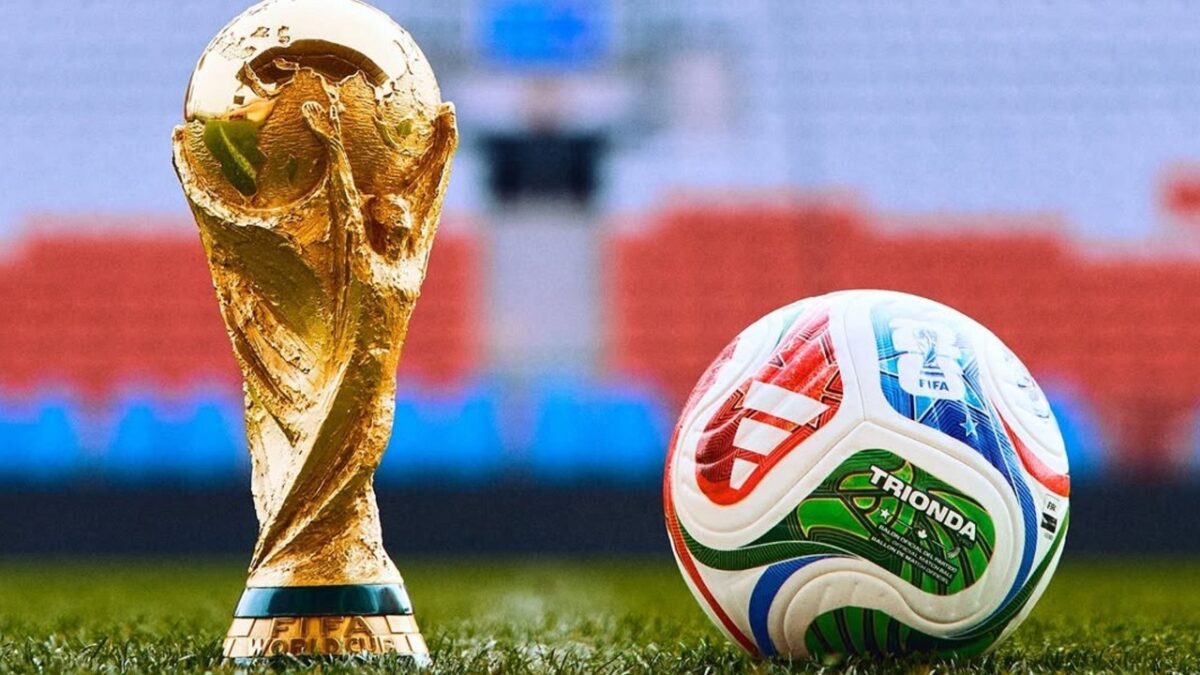
Freed of the burden of patriotic bias, you settled down to the Soccer World Cup of 2026, otherwise known as the Trump World Cup. You would take in as many games as possible, despite the nuisance of time zone differences that located some of the play at the most inconvenient hours of the night.
The first round of the expanded quadrennial competition, as usual, proceeded with the air of a leisurely preamble, where countries were flexing their muscles, happy to be in the limelight. Already some teams were attracting unaccustomed attention. Cape Verde, whose unglamourous ability to survive without being beaten you had regarded with mild irritation during the African qualifying rounds, were showing doughtiness, playing better fancied opponents to a standstill. Morocco was letting it be known that the semi-final finish in Qatar was no fluke, holding Brazil, and blowing away its other group opponents.
The sporting press reported the sensational news that nine teams from the African continent qualified for the round of 32.
You sensed a familiar hollow ring in the praises of African football they were spewing forth. There was a popular joke going round that the best players of African descent were in the teams of Europe and the Americas, and only the dregs were left in the homeland.
The real business began in the knockout rounds.
International pundits, well-practiced in their cynicism, were expecting a quick return to business as usual as the tournament progressed, meaning the minnows would soon be booking their flights home.
Your eyes were on Cote d’Ivoire and Senegal. You admired their brand of football, and you had a long-standing view that on a good day, they could square up with anyone in the game, man for man. The Ivorian team reminded you of Didier Drogba – strong, skilful, determined. In your mind’s eye, you would always see the look of ready-to-die determination in his eyes as he ceremoniously carried the trophy into the Abidjan stadium for the final of the 2023 African Nations Cup, which his nation went on to win.
For Senegal, their inspirational symbol, the relentless Sadio Mane, was still on active duty. You felt a vague sympathy for Senegal on account of their travails in Rabat in the last African Nation’s tournament, where the Moroccan hosts had behaved badly, the match officials had behaved badly, and the Senegalese themselves had behaved badly, leading to a curious situation where Senegal were now ‘de facto’ African Champions, having won on the field, while Morocco were ‘de jure’ African Champions, having won in the CAF Boardroom, and African football was left to live with universal ridicule.
Over several years of travelling with a national table tennis team to international competitions, certain thoughts had crystallised in your mind concerning the ‘killer zone’ – the crucial kill-or-be-killed period when an international competition approached its final moments, whether the game in question was football, or table tennis, or basketball. At a certain level, the skills of athletes approximated, more or less. The Mind took over and did the rest. The champion was the one that got the balance right. Most failed competitors got the balance wrong. Nobody in the world had a better excuse for getting the balance wrong repeatedly than Africans, given their recent history. And they often did, at the crucial moment, even when they had superior skills.
It was not a happy thought. Efforts to share the insight with officials or athletes met with brusque rebuff. It was rude, demeaning, and not what anyone wanted to hear about themselves.
But one conversation with the great champion Atanda Musa about life in the ‘killer zone’ remained in your mind. It bore out the prominence of mind, and mind games. Several years ago, the Swedish team, made up of Jan Over Waldner, Jorgen Pearsson and Mikael Appelgren reigned over the world of table tennis. In competition with a Nigerian team starring young Atanda Musa, Appelgren was on the ropes. Mind games followed, with the Swede throwing the ball at his young opponent and abusing him under his breath.
The Swedes prevailed against everybody in the world not just because they were skillful, and not just because they believed they would always win, but because they got their opponents too to believe that they, the Swedes, would always win. Even when you had a huge lead on a Swede, almost invariably he came back, and prevailed.
Unfortunately, trying to talk about the Psychology of Imagery, Mastery and training Self-Belief into local coaching was like trying to make a river flow uphill. Strangely enough, this is part of the training that the Chinese, who took over table tennis from the Swedes, have been using up till now, to maintain their supremacy in the world.
You, who had promised yourself emotional detachment, could not sleep throughout the night on the day Senegal, who were leading by two goals to nil four minutes to full time, were eliminated from the World Cup by the Belgians.
Cote d’Ivoire, level at 1-1 close to the end, were sent packing by a goal from Norwegian Viking Haaland after they contrived to leave him alone before their empty net.
Everybody has moved on.
It is usual for opponents to wax lyrical praising you after you have stopped being a threat to them. Even the Belgian coach, who was visibly distraught before the Senegalese implosion, is praising Senegal now, after his initial disparaging remarks about ‘those teams’.
As you struggle to regain all the lost hours of sleep and watch the rest of the tournament in peace, you are more convinced than ever that African teams need to ‘mind their minds’, expertly, intentionally, to begin to win competitions in the killer zone. It is not a game of ‘luck’, or even of skills alone.

Join BusinessDay whatsapp Channel, to stay up to date
Open In Whatsapp