1. Furore over Ooni of Ife’s reception and honour for rape convict actor
Social media is buzzing with muted anger and controversy over the royal reception the Ooni of Ife accorded to Nollywood actor and comedian Olanrewaju Omiyinka (popularly known as Baba Ijesha). The Ooni of Ife, Oba Adeyeye Enitan Ogunwusi, warmly received him, sparking widespread online debate.
Background on Baba Ijesha’s Case
Baba Ijesha was convicted in July 2022 by a Lagos High Court on multiple charges related to the sexual assault and indecent treatment of a minor (a 14-year-old girl at the time of the incidents). He faced six counts, including sexual assault by penetration, indecent treatment of a child, and sexual assault. He was found guilty on four counts and sentenced to terms ranging from 3–5 years, to run concurrently (effectively 5 years).
He served about three years and was released from prison in November 2025.
An appeal in 2024 largely upheld key convictions (e.g., indecent treatment of a child and sexual assault).
– Post-release, he married celebrity stylist Afolashade Omiyinka (CEO Luminee), and they welcomed a son in 2026. He has spoken publicly about gratitude for a second chance.
Many Nigerians view him as a convicted sex offender (with some debate over details of the case, claims of a setup by actress Princess, and questions of full rehabilitation). Others argue he has served his time and deserves to move forward.
What Happened with the Ooni
On or around July 2, 2026, Baba Ijesha visited the Ooni’s palace in Ile-Ife with his wife to celebrate their son’s birth (as a son of the soil).
-He posted on social media thanking the Ooni for a warm reception, fatherly love, luxurious gifts (including a brand-new car and cash), and what he described as the chieftaincy title “Baba Awada Konge Oduwa” (roughly translating to something like “Father of Comedy/Konge of Oduwa,” playing on his comedian persona).
The palace later clarified (via spokesperson Otunba Moses Olafare):
No formal chieftaincy title was conferred. The phrase “Awada Konge Oduwa” was a light-hearted, humorous remark by the Ooni in recognition of Baba Ijesha’s comedy career — not an official installation.
Chieftaincy titles in Ile-Ife follow strict traditional processes, rites, and consultations — none of which occurred.
The Ooni gave gifts (car and cash) out of fatherly generosity and support for an indigene, but emphasised the sanctity of titles.
The Furore and Public Reactions
The initial announcement (and viral photos/videos) triggered intense backlash online, with many criticising the Ooni for seemingly honouring or normalising a convicted offender — especially given the sensitivity of child sexual abuse in Nigeria. Comments ranged from outrage (“reward for pedophilia,” “disgusting,” concerns about messaging to victims) to defences (he served his sentence, possible miscarriage of justice claims, celebration of redemption/second chances, and support for “his people”).
Supporters highlighted forgiveness, improvements in the actor’s post-prison life, and Ooni’s right to show kindness to indigenes.
– Critics saw it as tone-deaf or enabling, especially amid broader societal issues with gender-based violence and child protection.
The palace clarification helped temper some narratives but didn’t fully quell the debate, as the generous reception and gifts alone were enough to fuel discussion.
This fits into ongoing Nigerian conversations about celebrity accountability, redemption after conviction, the roles of traditional institutions, and cultural attitudes toward justice and forgiveness. The Ooni has previously spoken against rape and child abuse, adding another layer to the mixed reactions.
Public discourse remains polarised on social media, reflecting deeper divides on justice, rehabilitation, and cultural patronage.
2. “Overturn this”: The Donald Trump Effect on World Cup 2026
The United States of America crashed out of the 2026 World Cup amid mockery and spite in the earlier rounds, rather than approbation, because of US President Donald Trump’s interference in an on-field incident.
During the 2026 World Cup, US President Donald Trump’s intervention cast a heavy political shadow over this quadrennial sporting event. Among these interventions, the most controversial was his personal intervention, which prompted FIFA to revoke the suspension of a key US player.
📞 The Core Incident: A Phone Call That Changed the Rules
The trigger for this controversy was a phone call from Trump.
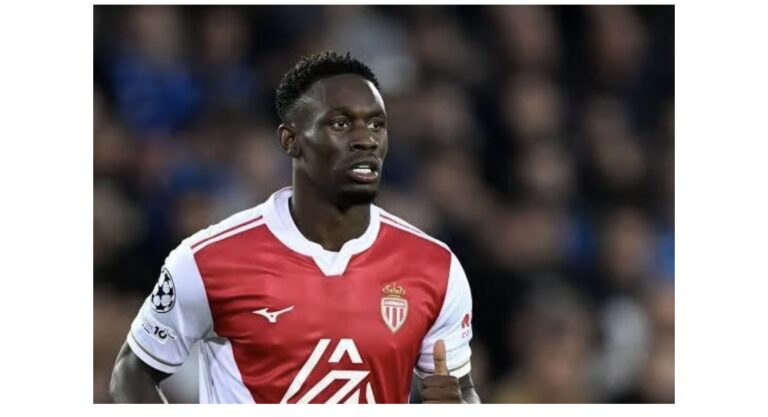
• The Cause: US team forward Folarin Balogun received a red card in the group-stage match against Bosnia and Herzegovina, resulting in an automatic one-match suspension.
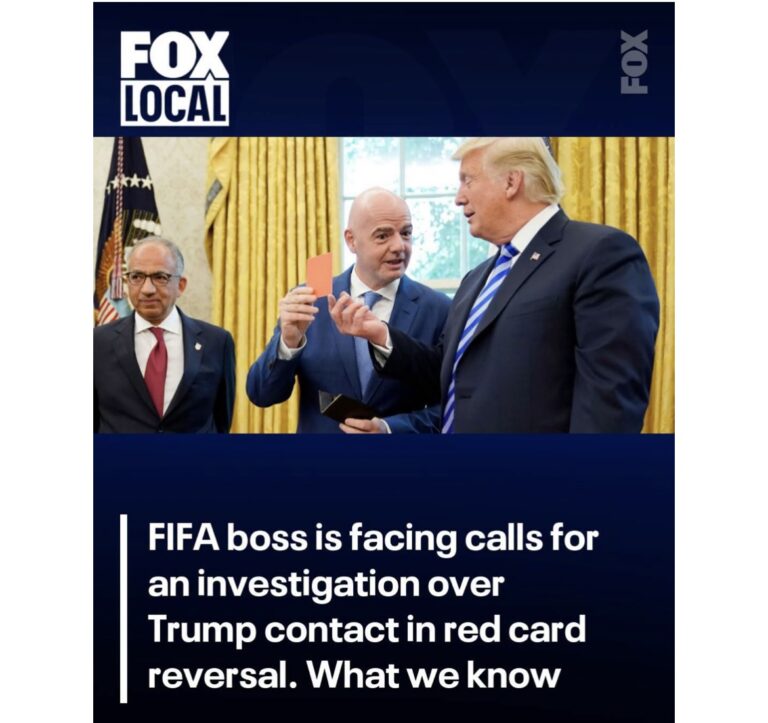
• Presidential Intervention: Trump publicly acknowledged that he had directly called FIFA President Gianni Infantino to request a review of Balogun’s suspension. He deemed the decision “very unfair” and said that without his intervention, it would leave a “huge stain” on the World Cup.
• FIFA’s Decision: Shortly after Trump’s involvement, FIFA made an “unprecedented” decision, citing Article 27 of its disciplinary code, and revoked Balogun’s suspension, allowing him to play in the crucial match against Belgium.
Global Reaction: From “Global Outrage” to Post-Match Mockery
Trump’s intervention sparked widespread criticism, from officials to the public, eventually escalating into an international incident.
• Official and Football Circles: The move was widely condemned as political interference in sport. Belgium expressed “shock” and called it “incomprehensible,” while the head coach sarcastically remarked that he “didn’t know July 5th was equivalent to April 1st.” UEFA also criticised the move for “crossing a red line,” putting the “integrity of the competition at risk.” Even Infantino’s predecessor, Blatter, posted: “Football must never become a playground for political power.”
• On the Pitch and Among the Public: In the subsequent Round of 16 match, despite Balogun playing, the US team lost heavily to Belgium, 1-4. After the match, the entire Belgian team mimicked Trump’s signature dance move and posted on their official social media with the caption: “Overturn this.” This move was widely interpreted as a public mockery of Trump’s “America First” approach to intervention. Many global media outlets commented that the US intervention ultimately made the country “the laughingstock of the world.”
“America First” and the Clash with Sports
This incident was not isolated but rather an extension of Trump’s “America First” foreign policy strategy during his second term.
• Carefully Cultivated Relationship: Trump had a close relationship with FIFA President Infantino. Infantino had previously moved FIFA’s offices to Trump Tower and even awarded Trump the inaugural “FIFA Peace Award” in December 2025. All of this laid the groundwork for subsequent controversies.
• Ongoing Political Turmoil: Even before the World Cup began, the Trump administration’s immigration policies had already caused waves. The travel ban affected fans and delegations from participating countries, such as Iran, leading former FIFA President Blatter to call for a boycott of matches held in the United States.
• Ticket Prices and Accessibility: Dynamic pricing led to steep costs—final tickets at MetLife Stadium reached up to $11,000 (with resale even higher), and many group-stage matches were far above original affordability targets (e.g., around $140+). This sparked backlash from fans, players, and politicians, leading to investigations by U.S. state attorneys general (including New York and New Jersey). FIFA introduced some $60 “supporter” tickets for national federations, but critics called it insufficient, contributing to reports of empty seats despite high overall attendance. Public transit issues at U.S. venues exacerbated access problems.
Immigration, Visas, and Human Rights
U.S. immigration policies under the second Trump administration raised alarms, including visa denials/revocations for some fans, officials, and players (e.g., concerns over social media posts or nationality). Reports highlighted fears of ICE enforcement, militarised policing, and restrictions affecting attendees from certain countries (amid U.S.-Iran tensions). Similar issues in Canada, plus human rights groups (Amnesty, HRW) urging FIFA action on broader U.S. concerns like protests and discrimination.
Climate, Heat, and Environmental Impact
The expanded format and travel across vast distances (16 host cities) made it one of the most carbon-intensive World Cups. Extreme heat prompted mandatory hydration breaks (criticised when used for extra commercials), with warnings about dangerous conditions in many venues. Environmental groups highlighted high emissions from air travel and infrastructure.
Other Logistical, Security, and On-Field Issues
– **Decentralised organisation** in the U.S., cost overruns in Canada, security and infrastructure strains, cartel-related concerns in Mexican host cities (e.g., Guadalajara), and Spanish-language restrictions at events (despite Mexico’s role).
– **VAR and refereeing controversies**, including high-profile disputes in matches like Argentina vs. Egypt (disallowed goals, penalties, bias claims).
– Labour disputes (e.g., at SoFi Stadium) and empty seats attributed to prices, heat, or distribution issues.
The tournament has delivered exciting football for some (high-scoring games, star performances), but off-field issues have dominated discourse, with comparisons to past scandals and debates over whether it’s the “best” or “worst” ever. FIFA has defended decisions as market-driven or procedural, but scrutiny remains high.
In summary, Trump’s intervention in the 2026 World Cup, from pre-tournament visa disputes to the in-tournament “red-card pardon,” profoundly reshaped the narrative of this edition. It transformed the tournament, originally intended to “bring the world together”, into a stage where politics and sport collided fiercely. Ultimately, the US team’s defeat and the ensuing global mockery provided a deeply ironic footnote to this controversy.

Join BusinessDay whatsapp Channel, to stay up to date
Open In Whatsapp