Traffic through the Strait of Hormuz effectively stalled on Thursday as the United States conducted strikes against Iran for the second consecutive day, signalling the collapse of a fragile truce.
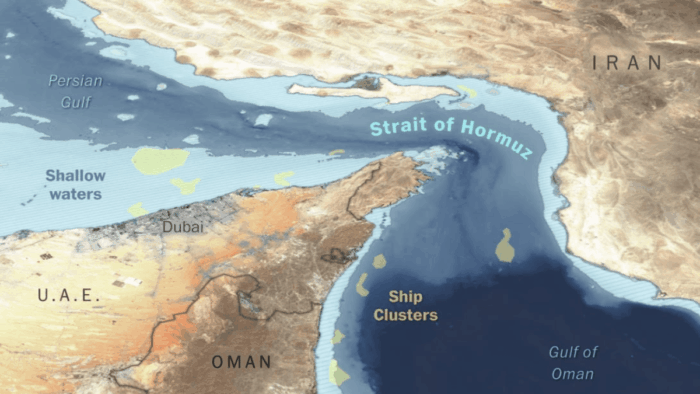
Ship-tracking data indicate that movement within this critical energy artery is now largely confined to an Iranian-approved route near the northern reaches of the waterway. Conversely, the US-supported Omani corridor remains notably quiet. While the data show minimal activity—restricted primarily to a US-sanctioned supertanker and an Iranian-flagged container ship—it is possible that other vessels are transiting the region with transponders deactivated.
Disruption in global energy logistics
The current slowdown follows a series of Iranian attacks on maritime vessels that prompted the latest US military response. Furthermore, President Donald Trump has officially declared the ceasefire with Iran to be at an end. Commodity carrier traffic has plummeted, with only 14 vessels recorded crossing the strait on Wednesday—the lowest volume since the interim peace agreement was brokered in mid-June.
This represents a significant contraction from recent activity. Data from Kpler show that in the three weeks following the agreement to reopen the strait, daily transits of commodity vessels averaged 34, reaching a peak of 59 on 24 June. This current stagnation mirrors the constrained transit environment of the earlier wartime period, when daily counts frequently dipped below 20.
Electronic interference and navigational risks
Market participants are also monitoring reports of renewed electronic interference in the region. Early on Thursday, vessels positioned southeast of Limah in the Gulf of Oman appeared to register speeds exceeding 30 knots, a likely anomaly caused by signal disruption rather than actual movement. Such interference often stems from the activation of regional defence systems designed to neutralise hostile drones, which can inadvertently compromise the Global Positioning System (GPS) and automatic identification system (AIS) signals used by commercial shipping.
While liquefied natural gas (LNG) tanker traffic remains at a standstill, there are tentative signs of movement, with two empty vessels having entered the Gulf of Oman and currently steaming towards the eastern entrance of the strait.

Join BusinessDay whatsapp Channel, to stay up to date
Open In Whatsapp