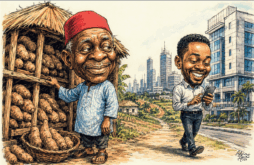
Every society possesses traditions that quietly outlive generations. They seldom command headlines or dominate public debate but remain among the strongest institutions holding communities together. They survive because they answer enduring human needs - care, belonging, companionship and continuity. Long after governments have changed and economies have risen and fallen, such customs continue to shape how families celebrate, grieve, nurture and support one another.
Few Nigerian traditions illustrate this more vividly than Omugwo.
Among t