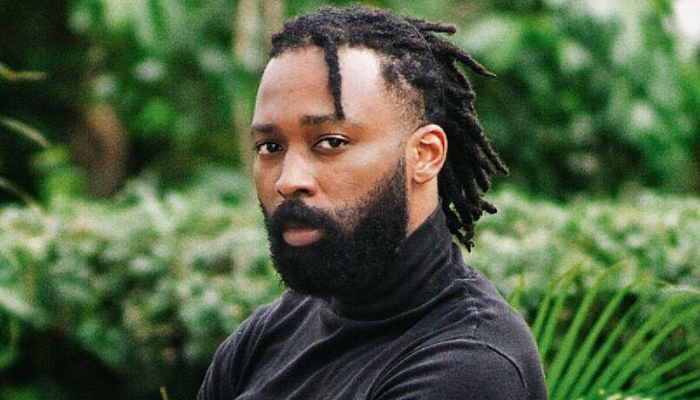
Nigeria’s creative economy continues to expand on the strength of young talent and digital innovation, but industry stakeholders say it remains constrained by weak structures, limited institutional support, and low purchasing power. Brand strategist and creative entrepreneur, Rodney Omeokachie, in this interview with KENNETH ATHEKAME, shares his perspective on the state of the sector, the challenges facing young creatives, and what it will take to build sustainable careers in today’s economy. Excerpts:
How would you assess the state of Nigeria’s creative economy and its ability to create meaningful opportunities for young people?
Nigeria’s creative economy is thriving against all odds. There is talent, there is output, but opportunities are mostly self-generated. The private and public sectors are not doing enough to activate the creative economy.
The actual economy is not strong enough to support the creative sector at scale because the purchasing power of the average Nigerian is very low. As it stands, a few brave individuals are simply creating opportunities for themselves.
Many young Nigerians are looking abroad. Is Nigeria overlooking opportunities within its creative sector?
Yes; not just in the creative sector, but across all sectors. There is a ripple effect when foundational systems are weak. Everything is connected, and the impact is visible across industries.
What untapped opportunities exist in Nigeria’s creative economy that young people are ignoring?
One major gap is the neglect of mastery. Many young creatives become proficient at a skill and then stop learning. They shift focus to money, views, or followers, instead of refining their craft.
They underestimate the compound effect of excellence over time.
Why do many young Nigerians struggle to take advantage of these opportunities?
A key issue is the education system. It teaches what to think, not how to think. As a result, many young people operate within existing frameworks rather than creating new ones.
There is also a lack of curiosity. Many are not engaging with big ideas; they are more focused on trends and surface-level content.
How can young creatives move from talent to sustainable careers?
Through mentorship direct or indirect. They also need to develop an interest in business and entrepreneurship, build strong networks, and understand how value is created and sustained over time.
What skills will define the next generation of Nigerian creatives?
Emotional intelligence is the most important skill. The future is unpredictable and fast-changing. Emotional intelligence determines how well people adapt, manage stress, and navigate change.
Soft skills such as adaptability, taste, and pattern recognition will become even more valuable.
How important is storytelling and personal branding in today’s creative economy?
Very important. One’s personal story is a powerful asset if properly structured.
Many Nigerians already have compelling life experiences, but they don’t know how to frame them into narratives that attract opportunities.
Beyond funding, what else is limiting young creatives?
Attitude and mindset are major barriers. Many young creatives are easily discouraged by obstacles and limitations.
There is also overconsumption of low-value content, which affects focus, productivity, and long-term thinking.
What trends or behaviours have you observed among young Nigerians through your podcast?
Many young people struggle with truth and critical thinking. There is a preference for “vibes” over substance.
Short-form entertainment content also contributes to distraction and reduced attention span. Herd mentality is another challenge many people think with the majority rather than independently.
What final advice would you give to young Nigerians building global careers from home?
Focus on competence and consistency. Continuously improve your skills and benchmark yourself against global standards. Also, be intentional about mentors and role models. Who you learn from and look up to significantly shapes your trajectory. Nigeria’s creative economy continues to show promise, but as Omeokachie notes, its long-term success will depend less on raw talent and more on structure, discipline, and mindset.

Join BusinessDay whatsapp Channel, to stay up to date
Open In Whatsapp