For women, getting braids done often comes at the cost of an entire day, and sometimes even longer.
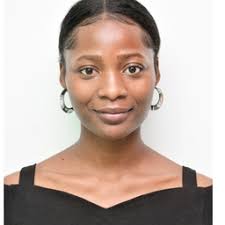
Yinka Ogunbiyi, a Nigerian engineer and entrepreneur, believes technology can change that, and investors are betting millions of dollars that it is right.
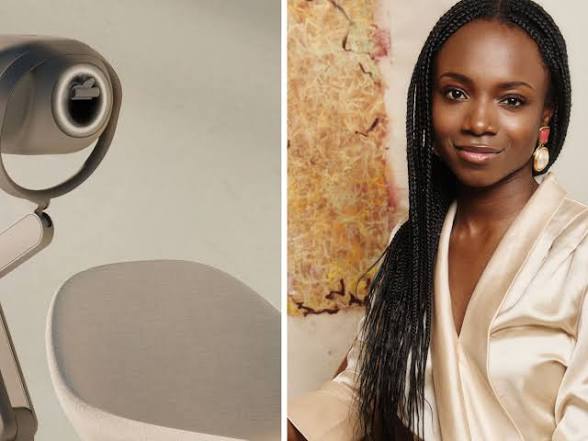
Ogunbiyi, co-founder and CEO of HaloBraid, has raised $7 million in seed funding for the startup developing what it describes as the world’s first braid-assist robotic technology.
The funding round was led by venture capital firm Seven Seven Six, founded by Reddit co-founder Alexis Ohanian, with participation from AlleyCorp and Bling Capital. The investment will improve product development and prepare the technology for commercial launch through salon partnerships.
The startup is tackling a problem that has affected hundreds of millions of women globally which is the enormous amount of time spent braiding hair.
Lockdown frustration to venture-backed innovation
The idea behind HaloBraid emerged during the COVID-19 lockdown.
Unable to visit a salon, Ogunbiyi attempted to braid her own hair. The process reportedly took four days.
Rather than accepting it as an unavoidable reality, the biomechanical engineer saw an engineering problem waiting to be solved.
She partnered with David Afolabi, a fellow Nigerian, to develop a machine capable of assisting professional braiders without replacing them.
Over 18 months, the team built more than 450 prototypes before arriving at a solution capable of handling textured hair safely and consistently.
Unlike fully automated robots, HaloBraid is designed to complement professional stylists. Hair braiders begin each braid manually, preserving their artistry and technique, while the machine completes the repetitive length of the braid.
The company said the system can reduce braiding time by up to five times while also reducing physical strain on stylists.
Solving a hidden productivity problem
Across Africa, the United States and the Caribbean, protective hairstyles remain an important part of cultural identity yet appointments can routinely last between four and ten hours depending on hairstyle complexity.
For many women, that translates into taking time off work, sacrificing weekends or spending entire days in salons.
The startup estimates that people collectively spend more than 8 billion hours every year getting their hair braided.
Internal research involving over 2,000 respondents found that 95 percent said they would braid their hair more frequently if the process took less time, The Brief Network reported.
The insight reframes braiding not merely as a beauty service but as a productivity issue and reducing appointment times could free up millions of hours that women can devote to work, education, caregiving, entrepreneurship or leisure.
What the funding means
The $7 million raise represents more than another venture capital announcement.
It signals growing investor interest in startups addressing overlooked markets rooted in the everyday experiences of women and underrepresented communities.
Historically, venture capital has disproportionately flowed into sectors such as fintech, enterprise software and artificial intelligence infrastructure.
Today, HaloBraid demonstrates that these underserved markets can also become venture-scale businesses.
For Nigeria, Ogunbiyi’s success is another example of homegrown talent building globally relevant deep-tech companies outside traditional fintech.
Her background combines engineering expertise, product development and business education, including an MBA from Harvard University, revealing how Nigerian founders are commercialising advanced technologies for global markets rather than focusing solely on digital services.
Technology that support, not replace workers
The rise of artificial intelligence and robotics has sparked fears about automation replacing jobs but HaloBraid is positioning itself differently.
Rather than eliminating braiders, the company stated that its technology helps stylists serve more customers while reducing repetitive stress injuries associated with years of braiding.
A broader shift in innovation
HaloBraid reflects a broader evolution in African innovation because African startups has attracted investment largely by solving financial inclusion challenges through digital payments and banking.
Now, founders are applying robotics, artificial intelligence and advanced engineering to industries that have historically received little technological attention.
The company noted that its ambitions extend beyond braiding. It is already exploring technologies that could help remove braids more efficiently and ultimately build a broader technology platform dedicated to textured hair care.


Join BusinessDay whatsapp Channel, to stay up to date
Open In Whatsapp