
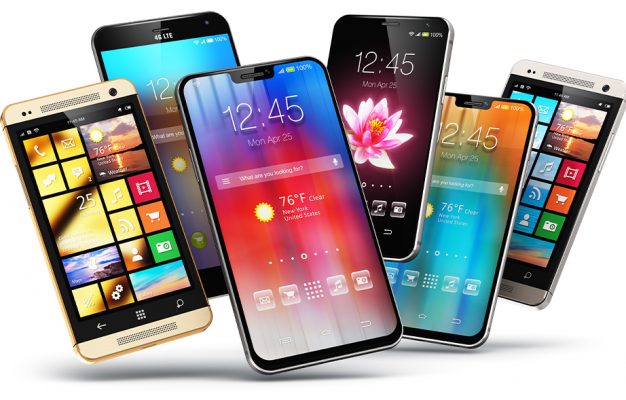
Smartphones have become indispensable tools for communication, work, banking and entertainment, but research suggests that how people use their devices and not necessarily the devices themselves may be contributing to rising levels of anxiety, stress and poor mental wellbeing.
According to a recent analysis by TechCityNG, there is no conclusive evidence that smartphones directly cause anxiety. Instead, researchers say excessive or problematic smartphone use is associated with higher rates of anxiety, depression, sleep disruption and stress. However, the relationship is complex and often works in both directions.
Experts noted that people experiencing anxiety may be more likely to spend extended periods on their phones. At the same time, prolonged and compulsive phone use can also intensify feelings of stress, creating a cycle that is difficult to break.
One of the major contributors is the constant stream of notifications that compete for users’ attention throughout the day.
Research suggests that frequent interruptions can reduce concentration, increase stress, and make it harder to maintain focus, even when notifications are ignored.
Social media has also amplified opportunities for social comparison. While platforms help users stay connected, they often present carefully curated versions of people’s lives, from career milestones to holidays and personal achievements.
Researchers say repeated exposure to such content can lower self-esteem and contribute to anxiety in some individuals, TechCity noted.
Another growing concern is ‘doomscrolling ’, which is the habit of continuously consuming negative news and distressing online content. With global crises, economic uncertainty and conflicts available in real time, excessive exposure to alarming information can leave users feeling emotionally exhausted and overwhelmed.
Researchers also warn that smartphones have blurred the boundary between work and personal life. Constant access to work emails, messaging platforms and calendar reminders can create the feeling of being permanently available, therefore increasing the risk of chronic stress and burnout.
Sleep quality is another area of concern because late-night screen use can delay the body’s natural sleep cycle, while notifications and endless scrolling keep the brain alert when it should be winding down. Poor sleep has long been associated with increased anxiety and other mental health challenges.
Studies consistently show that it is problematic patterns of use, not simply the number of hours spent on a device, that have the strongest link to poorer mental health outcomes. Someone who relies on a smartphone for work may not experience the same risks as someone who compulsively checks social media throughout the day, TechCity stated.
Researchers recommend practical measures such as disabling non-essential notifications, setting screen-free periods, limiting late-night phone use, taking regular breaks from social media, and creating clear boundaries between work and personal time. They say these habits can help reduce digital overload while allowing people to continue benefiting from the convenience smartphones provide.


Join BusinessDay whatsapp Channel, to stay up to date
Open In Whatsapp