

…Market Records N7 Bn Weekly from Trade
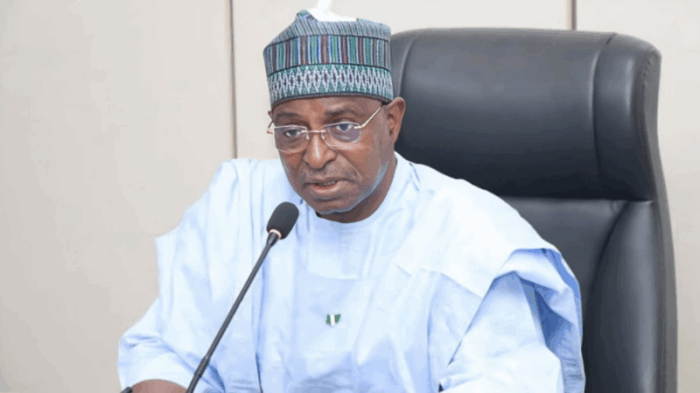
Jigawa State’s ambition to become Nigeria’s leading livestock investment destination received a major boost on Wednesday as Idi Mukhtar Maiha, Minister of Livestock Development, pledged the Federal Government’s support to transform the Maigatari International Livestock Market into a modern livestock processing and export hub.
Speaking at the Jigawa Economic and Investment Summit (J-Invest 2026) in Dutse, Maiha said the ministry was ready to partner with the Jigawa State Government and relevant agencies to unlock the enormous economic potential of the historic livestock market through value addition, industrial processing and modern infrastructure.
He described the Maigatari International Livestock Market, established in 1929, as one of the largest livestock trading centres in West Africa, noting that although livestock worth an estimated N7 billion is traded weekly, the state derives little economic benefit because animals are transported live to other parts of the country without processing.
According to him, the current system exports wealth from Jigawa while creating avoidable losses through accidents, disease, waste and poor handling during transportation.
Maiha said the market, which occupies about 40 hectares, had grown in transaction volume over the decades but lacked modern governance, digital records, organised trading systems and investment in value addition.
He proposed the transformation of Maigatari into a livestock exchange hub supported by transparent pricing, trade registration, modern market management and integrated industrial value chains.
“The Ministry of Livestock Development is prepared to work with the Jigawa State Government to organise this market so that the state can fully optimise the value of its livestock resources,” he said.
The minister urged investors to channel resources into feedlots, modern abattoirs, meat processing facilities, dairy production, leather manufacturing, cold-chain logistics and export services, stressing that Jigawa was strategically positioned to supply premium livestock products to major domestic and international markets.
He noted that instead of exporting live animals, the state could process beef, dairy products and leather locally before transporting finished products to Kano, Abuja, Lagos and other commercial centres.
Maiha said properly developed feedlots and processing facilities would significantly increase employment opportunities for young people.
According to him, a feedlot handling 500 bulls daily could generate about 10,000 jobs, while associated industries such as feed production, veterinary services, logistics, pharmaceuticals and leather processing would create thousands of additional employment opportunities.
He explained that virtually every part of processed livestock—including blood, bones, hides and hooves—could be converted into commercially valuable industrial products.
The minister also highlighted growing international demand for Nigerian red meat, particularly in Gulf countries, but noted that inadequate certification, poor abattoir standards and animal health concerns continued to prevent the country from accessing lucrative export markets.
He called for immediate investment in certified abattoirs that would meet international food safety standards.
Maiha further identified Lagos as a key market for Jigawa’s processed livestock products, citing its large population and dependence on supplies from northern Nigeria.
He also encouraged investment in dairy production, noting that local milk processing could create substantial employment while reducing Nigeria’s dependence on imported dairy products.
The minister said Jigawa possessed enormous opportunities in animal feed production, pointing to the state’s abundant rice and wheat residues that could be converted into livestock fodder.
He commended ongoing efforts to promote alfalfa cultivation in the state and urged greater investment in fodder aggregation to support year-round livestock production.
Maiha also advocated programmes to empower women through dairy cooperatives and livestock value chains, saying inclusive participation would expand rural incomes and stimulate economic growth.
He urged the state government to develop a practical implementation roadmap for livestock sector reforms, including clear targets for the first 100 days, one year and three years after the investment summit.
According to him, every phase of implementation should deliver bankable investment opportunities, measurable job creation and improved peace and economic prosperity.
Maiha assured participants that the Federal Ministry of Livestock Development would soon deploy a technical team to work with the Jigawa State Investment Promotion Agency and the state’s Ministry of Livestock Development on detailed implementation plans.
He also called for the immediate commencement of a pilot modern abattoir project, expressing confidence that it could be completed within 12 months if work began promptly.
“The time has come to stop exporting live animals and start exporting value. Jigawa has all it takes to become Nigeria’s livestock processing and export hub,” the minister said.

Join BusinessDay whatsapp Channel, to stay up to date
Open In Whatsapp


