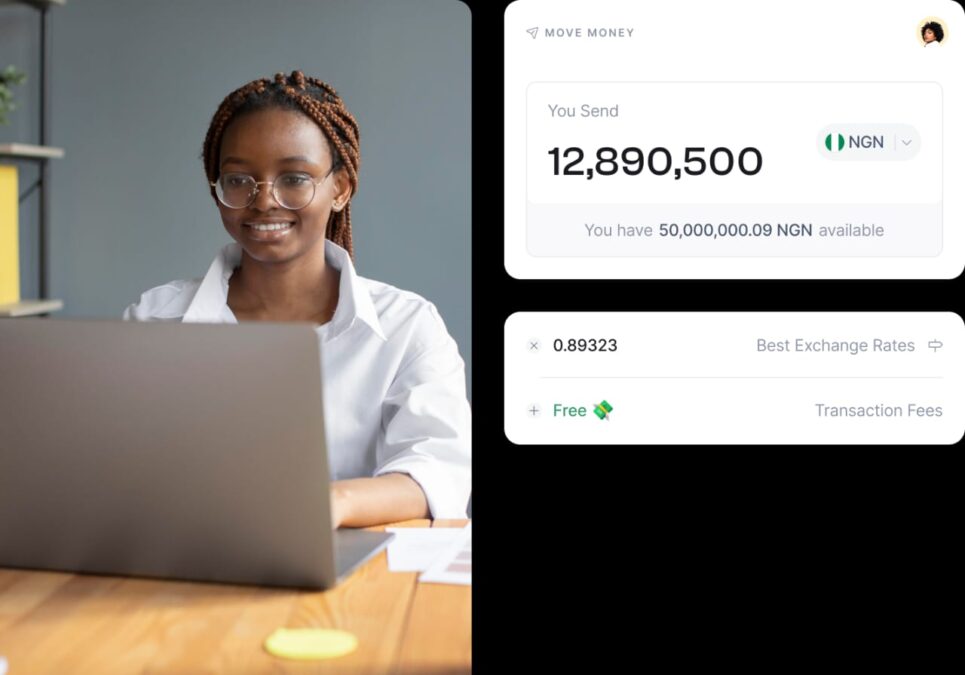
As more Nigerian businesses expand beyond local markets, cross-border trade has become an essential part of commerce. From sourcing goods internationally to paying suppliers in different countries, digital platforms like Monieverse are helping traders navigate this space. However, understanding how cross-border payments work is key to managing expectations and avoiding confusion.
What Are Cross-Border Payments?
Cross-border payments refer to transactions where money moves between individuals or businesses in different countries. Unlike local bank transfers, these payments often pass through multiple financial institutions, compliance checks, and currency conversion processes before reaching the final recipient.
Why Do Delays Sometimes Happen?
While digital platforms have made international payments faster, delays can still occur due to several factors:
-Banking Processes: Payments may go through intermediary banks for verification and settlement.
-Currency Conversion: Exchange processes can introduce slight delays depending on market conditions.
-Compliance Checks: International regulations require identity and transaction verification.
-Time Zones and Banking Hours: Different countries operate on different schedules.
These are standard global practices and affect most cross-border payment systems.
The Role of Trade and Logistics
Beyond payments, international trade involves additional layers such as shipping, supplier coordination, and customs clearance. Even when payments are successfully processed, the delivery of goods depends on:
-Shipping timelines and freight schedules
-Port operations and customs inspections
-Supplier readiness and documentation accuracy
Each of these steps operates independently and can influence overall transaction timelines.
How Platforms Like Monieverse Fit In
Platforms like Monieverse are designed to simplify cross-border transactions by providing a structured system for payments and trade coordination. They act as intermediaries, helping users connect with global markets while managing the financial aspect of transactions.
However, it is important to understand that no platform operates in isolation. Payment platforms depend on banks, logistics providers, and regulatory systems to complete the full trade cycle.
Best Practices for Traders
To navigate cross-border payments effectively, traders should:
-Ensure all transaction details are accurate
-Maintain clear communication with suppliers
-Understand expected timelines for payments and delivery
-Keep proper documentation for verification processes
Having realistic expectations helps reduce uncertainty and improves overall trade experience.
The Bigger Picture
Nigeria’s participation in global trade is growing rapidly, and digital platforms are playing a crucial role in enabling this expansion. While challenges may arise occasionally, they are part of a broader system that continues to evolve and improve.
Understanding how cross-border payments and trade processes work empowers traders to make informed decisions and take full advantage of international opportunities.

Join BusinessDay whatsapp Channel, to stay up to date
Open In Whatsapp