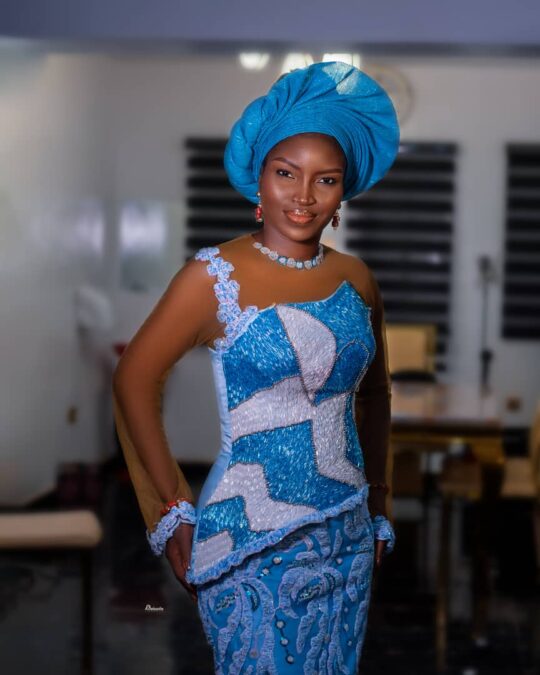
In a country where unemployment remains high and young people are increasingly searching for practical pathways to financial independence, fashion is fast becoming more than just style; it is evolving into a serious business and a tool for economic empowerment. Since launching Julian House of Fashion in 2017, founder Julian Tom has been at the forefront of that shift, training hundreds of aspiring designers while building a broader creative enterprise. In this interview with BusinessDay, she reflects on the rise of fashion education in Nigeria, the business lessons many designers overlook, and the role vocational skills can play in creating jobs and shaping the future of the country’s creative economy.
Interviewer: Julian House of Fashion started in 2017. What market gap did you identify at the time, and how has the business evolved over the years?
When I founded Julian House of Fashion in 2017, I saw that while many young Nigerians were interested in fashion, there was still a gap in developing fashion as a sustainable profession and business. Many people learned how to sew but had limited exposure to entrepreneurship, professionalism, customer experience, and continuous skill development.
My own journey began through informal training before I invested in upgrading my skills through professional learning. That experience taught me that learning never stops, regardless of where you begin. It inspired me to build an academy that equips aspiring designers not only with technical competence but also with the mindset and business knowledge needed to build sustainable careers.
As the vision expanded, I established JulianTom as the registered company to accommodate our broader creative ambitions. Today, Julian House of Fashion operates as the fashion education and bespoke fashion arm of JulianTom, while the company also serves as the umbrella brand for our growing creative ventures, including ready-to-wear fashion, handmade crafts, and creative enterprise development. Our vision is to build a Nigerian creative company that empowers people, creates jobs, and competes globally.
Interviewer: Fashion education is becoming increasingly popular in Nigeria. What factors do you think are driving demand for professional fashion training, particularly among young people?
Several factors are driving this growth. First is the increasing need for practical skills that can generate income in today’s economy. Secondly, social media has exposed young people to the possibilities within the fashion industry, making it easier for them to see fashion as a viable career and business.
Another important factor is the growing entrepreneurial mindset among young Nigerians. Many now understand that acquiring a practical skill gives them greater control over their future. Fashion offers opportunities for creativity, self-employment, wealth creation, and even job creation for others.
Interviewer: How many individuals have gone through your training programmes, and what measurable impact have you seen in terms of business creation, employment, or income generation?
Since 2017, I estimate that Julian House of Fashion has trained over 500 individuals through both physical and online programmes. In our early years, our record-keeping was not as structured as it is today, but as the academy expanded, we introduced better systems to track our trainees and measure our impact more intentionally.
Many of our graduates have established their own fashion businesses, while others now earn income as independent designers or work within the fashion industry. Beyond our paid programmes, we have also organised free fashion career training and mentorship initiatives to expose more young people to opportunities within the creative economy.
For me, success is measured not just by the number of students we train but by the lives transformed—people who discover purpose, gain confidence, achieve financial independence, and in many cases go on to mentor or employ others.
Interviewer: Many young Nigerians see fashion as a pathway to entrepreneurship. What are the biggest mistakes aspiring fashion entrepreneurs make when starting, and how can they avoid them?
One common mistake is focusing only on sewing while neglecting the business side of fashion. Talent alone is not enough. A successful fashion entrepreneur also needs to understand branding, pricing, customer service, financial management, and continuous learning.
Another mistake is expecting quick success. Building a reputable fashion business takes consistency, discipline, and patience. I always encourage aspiring designers to invest in quality training, embrace lifelong learning, and build a reputation based on excellence rather than shortcuts.
Interviewer: The Nigerian fashion industry has significant economic potential. In your view, what policies or investments are needed to unlock more growth and create sustainable jobs within the sector?
Nigeria’s fashion industry has enormous potential to contribute to economic growth and employment. Programmes such as the Technical and Vocational Education and Training (TVET) initiative are encouraging because they demonstrate increasing recognition of skills development as a driver of economic progress.
I believe more partnerships between government and credible private training institutions, improved access to modern equipment, affordable financing for creative entrepreneurs, and stronger support for locally made products would significantly strengthen the industry. When vocational education is properly supported, fashion can become an even stronger contributor to job creation, innovation, and national development.
Interviewer: Running both a fashion academy and a bespoke fashion brand comes with challenges. What have been the biggest business hurdles for Julian House of Fashion, and how have you navigated them?
Like many small businesses, access to funding, infrastructure challenges, and the rising cost of doing business have been significant hurdles. Balancing quality training with the demands of running a bespoke fashion brand also requires careful planning and continuous improvement.
We have navigated these challenges by prioritising quality, reinvesting in the business, strengthening our systems, and maintaining strong relationships with our students and clients. These values have enabled us to grow steadily while preserving the standards we are known for.
Interviewer: Your academy emphasises both technical skills and entrepreneurship. Why is it important for fashion designers to understand business management in addition to garment production?
Because fashion is both an art and a business. A designer may have exceptional technical skills, but without understanding pricing, customer relations, marketing, financial management, and business strategy, long-term success becomes difficult.
Our goal is not just to produce skilled designers but to develop entrepreneurs who can build sustainable businesses, create employment, and contribute meaningfully to the economy.
Interviewer: How has technology, from social media marketing to online learning, changed the way fashion businesses and training institutions operate in Nigeria?
Technology has transformed the fashion industry. Social media has given designers direct access to clients, allowing even small businesses to compete with larger brands through creativity, consistency, and strategic storytelling.
Online learning has also expanded access to fashion education, enabling people from different locations to acquire valuable skills without geographical limitations. Technology has made fashion more competitive, but it has also opened doors for innovation, collaboration, and business growth.
Interviewer: Julian House of Fashion has received recognition as one of the Top 25 Businesses in Kwara State and as the Best Fashion Academy in the state. How have these recognitions influenced your growth strategy and future ambitions?
These recognitions have been deeply encouraging because they affirm the value of the work we have been doing over the years. They have strengthened public confidence in our brand and motivated us to continue raising our standards.
More importantly, they have reinforced our vision of building an institution that is recognised not only for producing quality garments but also for nurturing talent, promoting vocational education, empowering entrepreneurs, and contributing meaningfully to Nigeria’s creative economy. Looking ahead, our goal is to expand the impact of JulianTom across fashion, creative arts, enterprise development, and youth empowerment while building a brand that competes confidently on the global stage.
Interviewer: Nigeria is facing high unemployment and economic uncertainty. Do you believe vocational and creative-sector training, such as fashion education, can play a significant role in reducing unemployment, and what evidence have you seen from your own experience?
Absolutely. Vocational education is one of the most practical solutions to unemployment because it equips people with skills that can generate income immediately.
From my experience, I have seen many individuals who had little or no source of income become business owners or independent professionals after acquiring fashion skills. Some have gone on to train others, multiplying the impact within their communities.
Beyond teaching fashion, I believe our responsibility is to help people discover purpose, develop practical skills, and build sustainable livelihoods. Every graduate who starts a business, earns an income, or goes on to train others creates a ripple effect that benefits families, communities, and the economy.
With greater investment in vocational education and stronger collaboration between the government and the private sector, Nigeria’s creative industries can become one of Nigeria’s strongest drivers of employment, innovation, and inclusive economic growth.

Join BusinessDay whatsapp Channel, to stay up to date
Open In Whatsapp