
A five-year research project by the Petroleum Technology Development Fund (PTDF), in partnership with the University of Jos (UNIJOS), has identified evidence of oil and natural gas potential in parts of Plateau State, raising fresh prospects for hydrocarbon exploration in Nigeria’s Middle Belt.
The findings were unveiled recently at the close-out seminar of the PTDF Endowment Professorial Chair in Geology and Mineral Science held at the University of Jos.
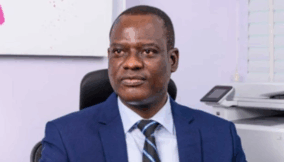
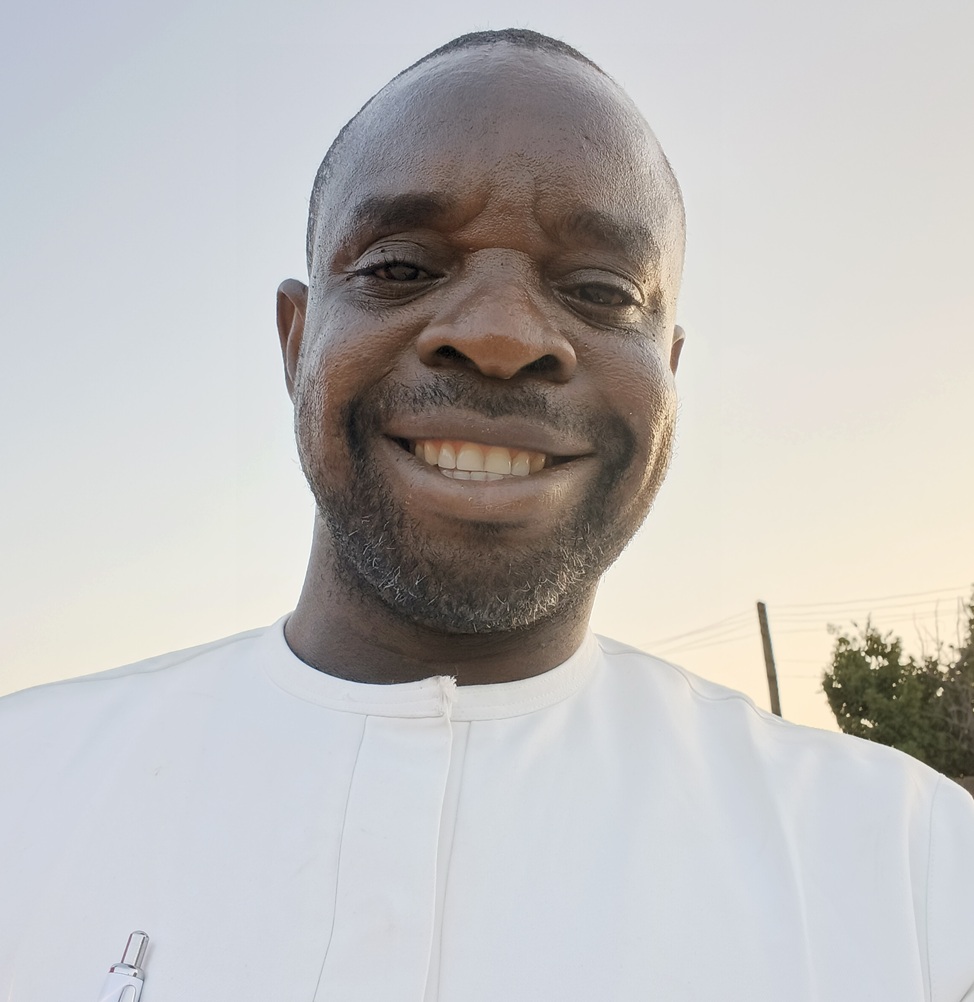
Presenting the report entitled “Integrated Geological and Geophysical Evaluation of the Shendam Sheet 212, Middle Belt Trough, Nigeria,” the Chair Occupant, Nuhu Kadai Samaila, a Professor of Sedimentology and Petroleum Geology, said the study confirmed geological indicators favourable for hydrocarbon generation.
“I can tell you that there is oil in Plateau. What we are able to establish right now is gas. We also have thick sediments and temperature gradients sufficient to mature source rocks within the basin,” Samaila declared.
He explained that while the broader research covered sections of the Benue Trough, the team focused on Shendam Sheet 212. Laboratory analysis, he said, showed
“appreciable organic carbon content in rock samples and sediment thickness exceeding 500 metres in some locations.”
Despite weathering and erosion affecting some samples, the researchers found evidence associated with hydrocarbon movement in the subsurface.
On the type of hydrocarbons, the professor said preliminary geochemistry pointed more to gas.
“Preliminary geochemical findings suggested that the dominant organic materials identified were largely Type III and Type IV, indicating stronger natural gas potential than crude oil generation,” he clarified.
The don further highlighted that the Langtang North/Langtang South area showed additional prospects.
“Investigations around Langtang North/Langtang South formations recorded indications of oil occurrence, including degraded oil observed at the surface, suggesting additional petroleum prospects that may require further exploration,” he added.
Samaila urged the PTDF to partner with the Nigerian National Petroleum Company Limited (NNPCL) to carry out seismic surveys to determine commercial viability.
“If PTDF collaborates with NNPCL, they can carry out a seismic survey in the area where we worked and establish more precisely the quantity and quality of hydrocarbons available,” he stressed.
Beyond oil and gas, the research also uncovered other mineral resources.
“The research also identified barite deposits with industrial potential and hydrothermal energy resources capable of supporting electricity generation,” the professor further disclosed.
Speaking at the event, Shuaibu Aliyu, the Executive Secretary of PTDF, whose message was delivered by Dikko Abba, the Deputy Manager, Procurement, PTDF challenged Nigerian universities to move from research to commercialisation.
“Research institutions must move beyond knowledge generation and focus on developing solutions capable of attracting investment and strengthening industry,” Aliyu said.
He described the UNIJOS study as aligning with “Nigeria’s drive for economic diversification and sustainable resource development,” adding that “detailed geological and geophysical investigations remain critical for understanding subsurface structures, assessing mineral resource potential and guiding exploration decisions.”
The PTDF boss also emphasised the need for stronger collaboration across sectors.
“We expect stronger institutional collaboration that will enhance capacity development, strengthen industrial infrastructure and ensure practical application of research outcomes for national development,” he said.
Also speaking, Tanko Ishaya, a professor and the Vice-Chancellor of the University, said the partnership had demonstrated the value of sustained investment in research.
“Research collaboration between universities and industry is essential to Nigeria’s development,” Ishaya stated, noting that “outcomes from the project could support future policy direction on resource development.”
He added that “beyond scientific discoveries, the programme strengthened institutional capacity, promoted collaboration and created a foundation for future research,” and assured that the university “was prepared to sustain the research momentum and explore opportunities for commercial application of the outcomes.”
The five-year PTDF Professorial Chair project is expected to guide further exploration decisions in Plateau State and other parts of the Benue Trough.

Join BusinessDay whatsapp Channel, to stay up to date
Open In Whatsapp