There are moments when you realise that sport is doing something politics cannot.
Walking through downtown Atlanta after the final whistle for the match between Uzbekistan and DR Congo on Saturday night was one of those moments. Tens of thousands of supporters streamed through the streets long after the match had ended. Many wore the colours of DR Congo and Uzbekistan, but they were joined by fans from dozens of other countries. The atmosphere was international, diverse, joyful and peaceful, all held together by the beautiful game.
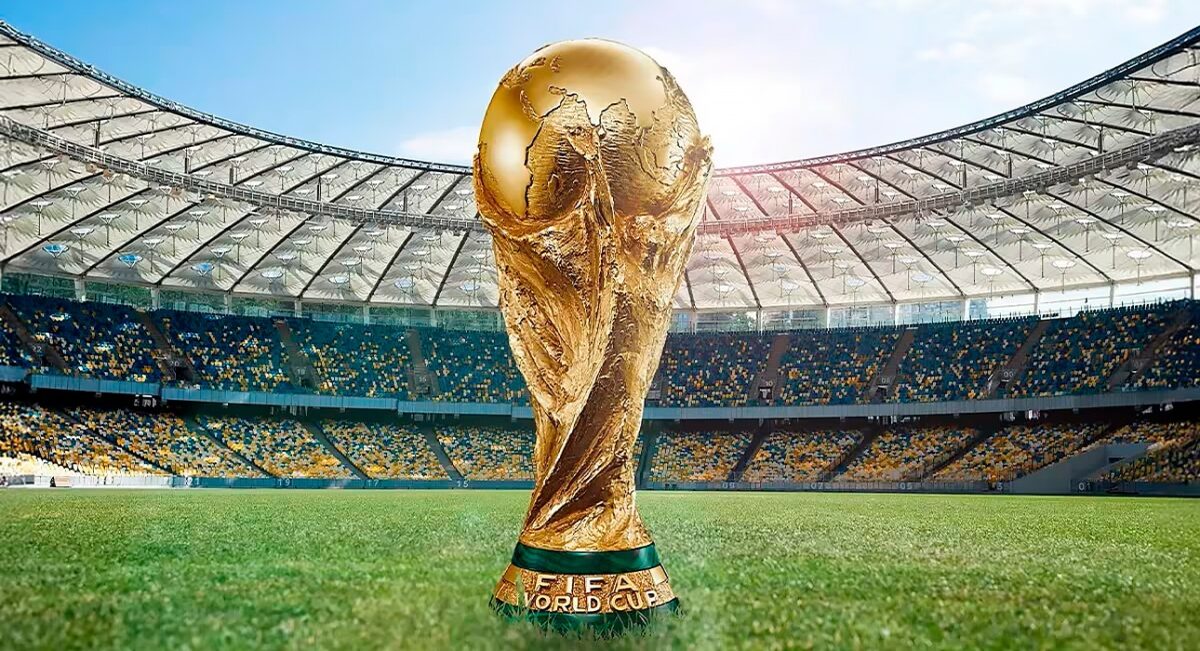
Having now experienced the World Cup in Miami, Atlanta, Houston and Kansas City, I can say without hesitation that the 2026 FIFA World Cup has been extraordinary.
That matters because the tournament arrived amid heavy negativity. Critics warned that an expanded 48-team format would dilute quality. Others feared that geopolitical tensions, polarisation and security concerns would overshadow the event. Instead, the football has been compelling, the cities have come alive, and the fan experience has been exceptional.
The United States, in particular, needed this. At a time when the country often appears divided against itself, the World Cup has offered a different picture: people from every continent walking together, singing together, trading shirts, taking photos and celebrating without suspicion. It has restored, if only for a few weeks, some faith in what America can still be at its best.
It has also been a commercial masterpiece. FIFA, the host nations, participating countries, corporate sponsors, and even non-sponsors have all found ways to benefit from the tournament’s energy. Hotels, airlines, restaurants, broadcasters, apparel companies, fan parks, city governments and national investment agencies are all participating in an enormous global marketplace built around football.
And nowhere has the sporting story been more powerful than with Africa.
Before the tournament, many critics questioned whether increasing Africa’s representation would weaken the World Cup. Gennaro Gattuso, the head coach of Italy who failed to qualify, noted that in earlier tournaments there were only two African teams, while this edition had nine, suggesting that the expansion created “difficulties.” UEFA President Aleksander Čeferin warned that many matches in an expanded tournament would be “completely uninteresting.” Harry Kane, after England’s draw with Ghana, suggested that Ghana had largely come to waste time and secure a nil-nil.
Bastian Schweinsteiger described African football as “a bit unorthodox” and “a bit wild.”
Those comments have not aged well.
When the group stage concluded, nine of Africa’s ten representatives had advanced to the Round of 32. CAF’s 90 per cent qualification rate was the highest of any confederation, ahead of South America and Europe. Africa did not dilute the World Cup. Africa elevated it.
FIFA’s decision to expand African representation has been vindicated. For years, African football followers have argued that the continent’s talent base was far deeper than its World Cup allocation allowed. This tournament has proved the point. Africa did not need charity. It needed opportunity.
As a Nigerian-born football supporter, this World Cup has been a strange experience. The Super Eagles are absent, but Nigeria is everywhere.
Sixteen players of Nigerian heritage are representing nine different countries. Folarin Balogun has become one of the stars of the United States team, even if American commentators still struggle to pronounce his Yoruba surname correctly. Saka, Madueke and Eze are playing for England. Jamal Musiala and Felix Nmecha wear German colours. Promise David and Tani Oluwaseyi represent Canada. Michael Olise plays for France. The Nigerian football diaspora has become one of the most visible forces in the tournament.
Nigeria’s cultural presence has been just as strong. Burna Boy is part of the World Cup theme song and Ayra Star and others are on the soundtrack. Davido thrilled the Atlanta Fan Festival.
Afrobeats is everywhere—in stadiums, fan parks, city streets and sponsor activations. Nigeria may not officially be in the World Cup, but Nigerian footballers, Nigerian music and Nigerian culture are helping define it.
Without the Super Eagles, every Nigerian supporter has had to create a personal formula for choosing teams. Mine has been shaped by identity. I was born in Nigeria, but the Netherlands is my ancestral country throu/gh my parents and one of my passport countries, alongside Canada and the United States. So those became my starting point, followed by every African team, beginning with West Africa, then Central Africa, North Africa and Southern Africa. When none of those teams were playing, I supported whichever side had the strongest Nigerian or African connection.
That is one of the gifts of an expanded World Cup: more people can find themselves somewhere in the tournament.
But the most important lesson for Nigeria has come from watching the Netherlands.
The Dutch are not simply using the World Cup to promote football. They are using football to promote the Netherlands.
Around every Dutch match, the Netherlands Ambassador to the United States, and in Mexico the Dutch Ambassador there, has used the opportunity to spend several days in the host city. Together with the relevant consul-general, the embassy has organised meetings with governors, mayors, corporate CEOs and investors. Dutch companies operating in those regions are involved. American companies with operations in the Netherlands are engaged. Dutch executives looking for opportunities in those markets are present.
Football has become a trade mission.
At the same time, the Dutch federation, the KNVB, has created a spectacular cultural experience around the team. Oranje parties, fan walks behind the famous orange bus, Dutch DJs, the Orange Suit Man, and the powerful national symbolism of orange—drawn from the House of Orange—have all turned each Dutch fixture into a celebration of football, culture, tourism and economic opportunity.
The Dutch King and Queen attended one match. The Prime Minister has also been present. This is not accidental. It is coordinated national soft power.
The message is clear: watch Dutch football, enjoy Dutch culture, visit the Netherlands, invest in the Netherlands and do business with Dutch companies.
Nigeria should be paying close attention.
We have all the ingredients to do this, and perhaps to do it even better. Our musicians are global stars. Our fashion, food, film and creative industries already command worldwide attention. Our entrepreneurs are building companies across Africa and beyond. Our diaspora is vast, influential and emotionally connected to the country. Our football brand, even in difficult periods, remains powerful.
The next time the Super Eagles qualify for a World Cup, Nigeria should not arrive with only a football team. We should arrive with a national strategy.
That strategy should involve the Nigerian Football Federation, government, corporate titans and executives, state governors, investment promotion agencies, tourism bodies, corporate sponsors, musicians, fashion designers, filmmakers, technology founders and diaspora leaders. Around every match, Nigeria should host business forums, cultural festivals, investment roundtables, music showcases and fan experiences that tell a broader story about the country. The Nigerian delegation should not be there just to participate and enjoy the entertainment – they should be there to promote and sell Nigeria.
Football can do far more for Nigeria than win trophies. It can open markets. It can attract capital. It can strengthen diplomacy. It can reshape perceptions. It can give the world a more complete picture of who we are.
The 2026 World Cup has already proved many things. It has proved that the expanded format works. It has proved that Africa deserved more places. It has proved that football can still bring people together in a fractured world. And it has proved that the countries that think strategically about sport will gain far more than ninety minutes of attention.
Nigeria must make sure that when we return to the global stage, we do not only come to play. We must come to compete, to connect, to inspire—and to build the partnerships that will shape our future long after the final whistle.

Join BusinessDay whatsapp Channel, to stay up to date
Open In Whatsapp