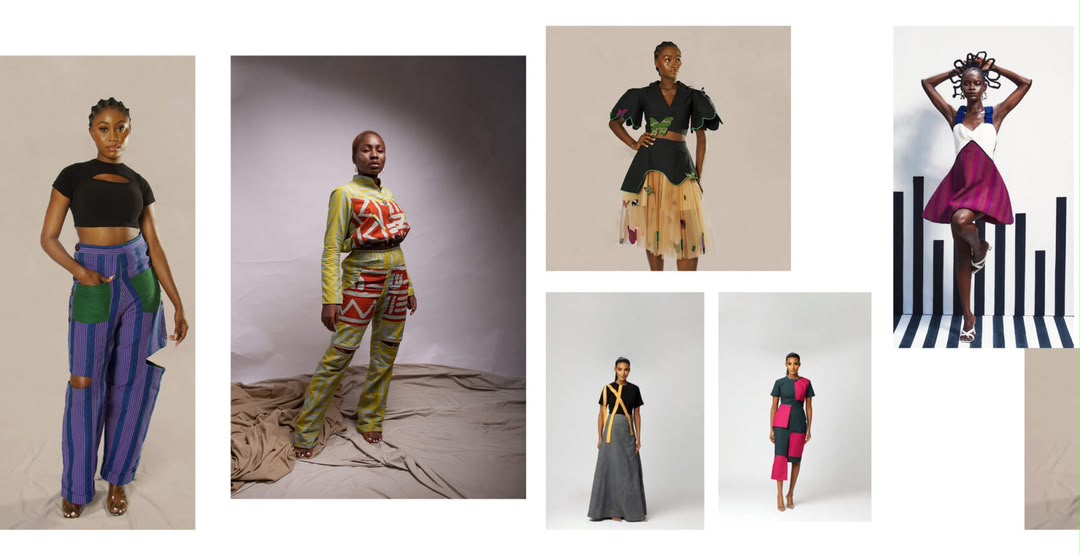
In Nigeria’s fashion industry, success is often measured by sales, social media followers, or the popularity of a new collection. Yet as competition intensifies, many brands are discovering that growth depends on something less visible:Community.
Beyond creating beautiful clothes, the brands that endure are often those that cultivate a loyal audience one that identifies with their story, values, and culture. For many fashion businesses, this sense of belonging may be the missing link between short-term visibility and long-term success.
Community is often invisible when things are going well. It only becomes noticeable when it’s absent. By the time many fashion brands realize they lack a loyal community, growth has stalled, customer attention has shifted elsewhere, and rebuilding those relationships requires twice the effort it would have taken to build them from the start. It is not a growth hack; it’s a business asset. And like most assets, its value is most apparent when it’s missing.
Followers, Customers and Community Are Not the Same Thing
Many Nigerian fashion brands confuse these three, but they are very different.
A follower is someone who likes your page and moves on. They may never engage again, which makes followers more of a surface level metric than real value.
A customer is someone who buys from you. That matters, but if they never return, they are just a one time transaction.
A community is the real asset. These are people who feel connected to your brand. They support you, talk about you, return for every collection, and grow with you.
Most brands chase followers and sales, but the real growth comes from building a community.
Why Products Often Take Priority
For emerging fashion entrepreneurs, focusing on products feels like the most logical path to growth. Designing new collections, improving quality, and securing visibility are tangible activities with immediate results.Community building, on the other hand, can feel less urgent. It does not always produce instant sales, and its impact is harder to measure in the short term.
As a result, many brands invest heavily in creating products while neglecting the people who buy them.This approach can create a fragile business model. A customer may purchase a dress because it looks good, but if there is no emotional connection to the brand, there is little reason for them to return when another designer offers a similar product.In an increasingly crowded market, products can be copied. Relationships are far more difficult to replicate.
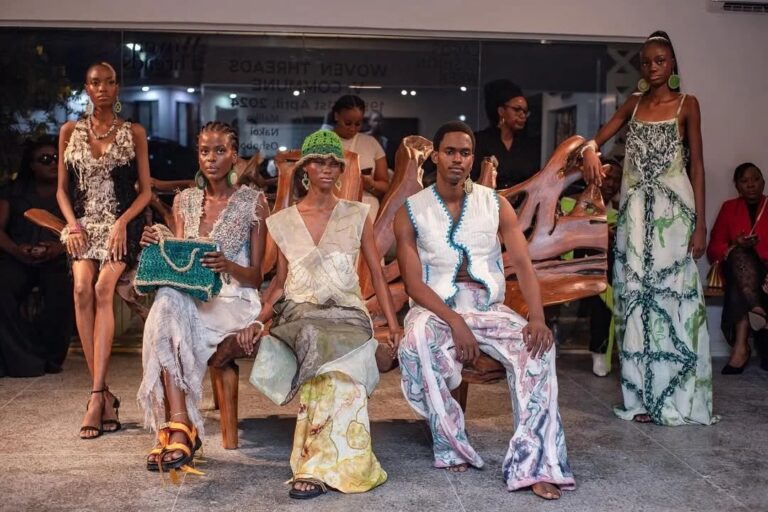
The Power of Community
Community transforms customers into advocates.A customer who feels connected to a brand is more likely to make repeat purchases, recommend the brand to friends, engage with its content online, and support it during challenging periods. They become invested in the brand’s journey.This sense of belonging creates a competitive advantage that extends beyond clothing.
Customers begin to identify with the values, culture, and story the brand represents.The strongest fashion communities are built through consistent engagement. They are nurtured through conversations, customer appreciation, transparency, and experiences that make people feel included rather than simply marketed to.When customers feel seen and valued, loyalty becomes a natural outcome.
The Role of Storytelling and Social Media
Social media has changed the relationship between brands and consumers.Today’s customers want more than polished campaign images. They want access to the people, ideas, and stories behind the products they buy. They want to understand a brand’s inspiration, values, challenges, and creative process.
This is where storytelling becomes a powerful growth tool.Brands that share authentic stories often create deeper emotional connections with their audiences. Whether it is showcasing the craftsmanship behind a collection, highlighting cultural influences, or sharing the founder’s journey, storytelling helps transform a fashion label into something consumers can relate to.
Platforms such as Instagram and TikTok have made this process easier by allowing brands to communicate directly with their audiences in real time. Behind the scenes content, customer testimonials, creator collaborations, and interactive conversations help foster a sense of community that extends beyond transactions.
Nigerian Brands Building More Than Fashion
Several Nigerian fashion brands have demonstrated the value of cultivating strong brand identities and loyal audiences.Brands such as Orange Culture, Maki Oh, and Lisa Folawiyo have built recognition not only through their designs but also through distinctive narratives and cultural relevance. Their audiences engage with what the brands represent as much as with the products themselves.
These brands understand that fashion is not simply about what people wear. It is also about identity, culture, and belonging.Their success highlights an important lesson: customers are more likely to remain loyal when they feel connected to a brand’s story and purpose.
Lessons for Emerging Designers
For emerging fashion entrepreneurs, the message is clear: do not wait until growth slows to start building a community.Community should not be treated as an afterthought or a response to a crisis. It should be considered a core part of a brand’s growth strategy from the beginning.
This means listening to customers, encouraging meaningful engagement, investing in storytelling, and creating experiences that make people feel part of something larger than a transaction.
The brands that thrive in the future may not necessarily be those with the biggest marketing budgets or the most collections. They may be the ones that successfully turn customers into communities.In fashion, products may attract attention. Community is what sustains growth.

Join BusinessDay whatsapp Channel, to stay up to date
Open In Whatsapp