1.0 Introduction
In 2024, Grammy-winning Nigerian singer Tems released ‘Love Me JeJe’, a modern reimagining of Seyi Sodimu’s 1997 hit ‘Love Me Jeje’. The song was widely celebrated for introducing a beloved classic to a new generation of listeners while showcasing how older musical works can inspire contemporary creativity. Behind the success of the record, however, lies an important legal and commercial reality: using elements of an existing song is rarely as simple as it sounds.
Music sampling has become a defining feature of modern music production. Across genres such as Afrobeats, hip-hop, and pop music, artists and producers frequently incorporate portions of existing recordings into new works. While sampling continues to drive creativity and innovation, it also raises important questions about ownership, licensing, and royalty allocation. Who owns the rights in a sampled song? Whose consent is required before a sample can be used? And who is entitled to royalties when the new work becomes commercially successful?
This article examines the legal and commercial framework governing music sampling in Nigeria. It explores the ownership of sampled music, the licenses required before a sample can be lawfully used, the allocation of royalties among rights holders, and the implications of failing to obtain the necessary consent and licenses under the Copyright Act 2022.
2.0 Music Sampling Under the Copyright Act 2022
Although the Copyright Act 2022 does not expressly define music sampling, its provisions provide the legal framework within which sampling operates in Nigeria. Copyright protection extends to both musical works and sound recordings, meaning that the use of a sample may encapsulate multiple rights depending on the nature of the material being used.
The Act grants copyright owners exclusive rights to control the reproduction, distribution, communication, adaptation, and other forms of exploitation of their protected works. Consequently, a person who wishes to incorporate a protected portion of an existing song into a new recording will generally require the consent of the relevant rights holders.
Where a recognisable part of a protected work or sound recording is used without the necessary consent, such use may amount to copyright infringement. Rights holders may seek remedies under the Act, including damages, injunctions, accounts of profits, and other reliefs recognised by law.
For artists, producers, and record labels, the commercial implications can be significant. Beyond legal liability, unauthorised sampling may result in disputes over ownership, delays in commercial releases, withdrawal of music from digital platforms, and the renegotiation of royalty arrangements after a song has already achieved commercial success.
The Copyright Act 2022 therefore reinforces a fundamental principle of the music industry: while creativity is encouraged, it must be balanced against the rights of existing copyright owners.
3.0 Music Sampling
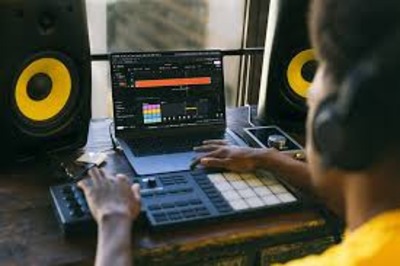
Music sampling has become a fundamental aspect of contemporary music production, enabling artists to incorporate elements of pre-existing recordings into new creative works.
4.0 Who Owns the Rights in Sampled Music?
One of the most common misconceptions about music sampling is that a song has a single owner. In reality, most commercially released songs contain at least two separate copyrights: the copyright in the musical composition and the copyright in the sound recording.
The musical composition refers to the underlying lyrics, melody, and musical arrangement created by the songwriter or composer. These rights are typically owned or administered by the songwriter, music publisher, or both. The sound recording, on the other hand, refers to the recorded performance of the composition and is usually owned by the recording artist, record label, or an assignee of those rights.
This distinction is important because a person seeking to sample a song may need consent from more than one rights holder. Obtaining consent from the performer alone may not be sufficient where separate rights exist in the underlying composition. Under the Copyright Act 2022, both musical works and sound recordings enjoy copyright protection. Consequently, the unauthorised use of a protected sample makes the defaulter liable to copyright infringement.
5.0 Licensing Sampled Music: Whose Consent Do You Need?
Once the relevant rights holders have been identified, the next step is obtaining the necessary licences and consent. In most cases, a person seeking to sample a song will require the consent of the owners of both the sound recording and the underlying musical composition.
Consent to use the sound recording is commonly granted through a master use licence, usually obtained from the record label, recording artist, or other owner of the recording rights. Separate consent may also be required from the songwriter, music publisher, or other owner of the composition rights where the sample incorporates protected lyrics, melody, or musical arrangements.
Failure to obtain the necessary consents may expose an artist or producer to claims of copyright infringement. This principle was reinforced in Grand Upright Music Ltd v Warner Bros Records Inc, where the unauthorised use of a musical sample was held to constitute copyright infringement. The decision remains a leading authority on sample clearance and underscores the importance of obtaining the necessary licences before commercially exploiting a sampled work.
Accordingly, artists and producers should ensure that all relevant rights are cleared and the necessary consents obtained before releasing a sampled work to the public.
6.0 Royalties: Who Gets Paid When a Sampled Song Makes Money?
Obtaining the necessary licences is only one part of the sample clearance process. Where a sampled song generates revenue, the original rights holders may also be entitled to compensation, depending on the terms of the licensing arrangement.
Where a song incorporates part of an existing musical composition, the songwriter or music publisher may be entitled to a share of the publishing income generated by the new work and, in some cases, songwriting credit. Similarly, where a sample uses part of an existing sound recording, the owner of that recording may be entitled to a licence fee, royalty interest, or both.
The artist and producer responsible for the new work also retain rights in the newly created recording. As a result, royalties generated from streaming, public performances, deals, and other forms of commercial exploitation may be shared among several parties.
It therefore goes without saying that there is no universal formula for royalty allocation in sampled music. The extent of revenue sharing typically depends on the terms negotiated between the parties and the significance of the sample to the new work. Accordingly, artists and producers should pay close attention not only to obtaining the necessary licences but also to negotiating appropriate royalty arrangements.
7.0 Practical Considerations for Artists, Producers and Record Labels
As music sampling continues to shape modern music production, artists, producers, and record labels should adopt a proactive approach to rights management. Before using a sample, it is important to identify the relevant rights holders, obtain the necessary licences, and clearly document royalty-sharing arrangements.
It is imperative to state that, professional legal advice should always be sought to ensure compliance with applicable copyright laws and to minimise the risk of disputes. In an industry where a short sample can generate significant commercial value, proper rights clearance remains an essential part of the music creation and monetisation process.
8.0 Conclusion
Music sampling remains an important creative tool in modern music production, enabling artists to build on existing works while creating new expressions for contemporary audiences. However, the use of a sample may implicate multiple rights, require different licences, and give rise to royalty-sharing arrangements involving several rights holders.
The Copyright Act 2022 provides the legal framework governing these rights in Nigeria and underscores the importance of obtaining the necessary consents before incorporating protected material into a new recording. For artists, producers, record labels, and other industry stakeholders, understanding the legal and commercial implications of sampling is essential to both protecting creative interests and maximising the value of musical works.
Omonefe Irabor-Benson is a Senior Associate in the Technology, Entertainment, Media & Sports (TEMS) Sector at Stren & Blan Partners while Linda Daramola and
Samuel Oladipupo are Associates in the same sector.
Stren & Blan Partners is a full-service commercial Law Firm that provides legal services to diverse local and international Clientele. The Business Counsel is a weekly column by Stren & Blan Partners that provides thought leadership insight on business and legal matters.
Connect with Stren & Blan Partners:
Email: [email protected]
Website: www.strenandblan.com
LinkedIn: linkedin.com/company/strenandblan
Twitter: twitter.com/Strenandblan
Instagram: instagram.com/strenandblan

Join BusinessDay whatsapp Channel, to stay up to date
Open In Whatsapp