Iran agrees to nuclear inspections as US-Iran talks make progress
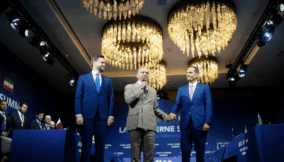
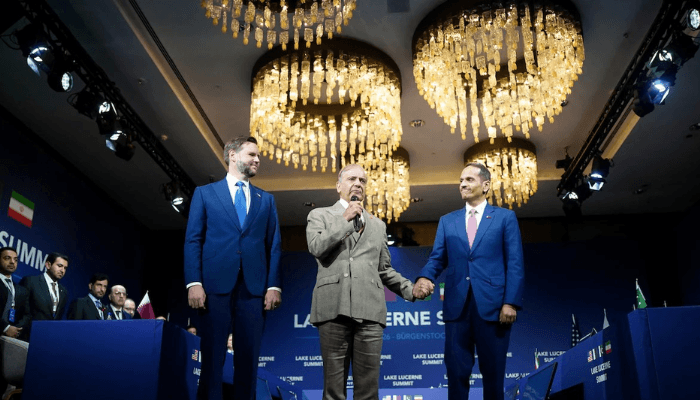
The first round of direct talks between the United States and Iran since their preliminary peace agreement ended with what both sides described as encouraging progress, raising hopes for a lasting settlement to the conflict. Speaking in Switzerland, US Vice-President JD Vance said Iran had agreed to allow international nuclear inspectors back into the country, a key demand of Western powers concerned about Tehran’s nuclear ambitions.
Vance said discussions focused on reopening the Strait of Hormuz, maintaining regional ceasefires and establishing a roadmap towards a final agreement within 60 days. While Iran continues to insist its nuclear programme is purely civilian, the return of inspectors is being viewed as a significant confidence-building measure and one of the most concrete outcomes of the negotiations so far.
Andy Burnham emerges as frontrunner to succeed Starmer
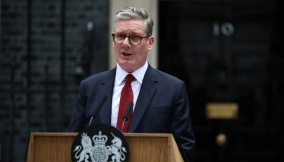
Andy Burnham has moved from the political sidelines to the centre of British politics after positioning himself as a leading contender to become the UK’s next prime minister. His strong by-election victory and growing support within Labour have intensified speculation about a leadership transition following Keir Starmer’s decision to step down.
Burnham argues that Labour needs a more charismatic and electorally appealing figure to counter the growing influence of Nigel Farage’s Reform UK. Supporters believe his record as Greater Manchester mayor and his ability to connect with voters could revitalise the party, though he faces the challenge of convincing the public he can govern amid difficult economic conditions.
Russian advance threatens key Ukrainian stronghold in Donbas
Russian forces are intensifying pressure on the eastern Ukrainian city of Kostyantynivka, a strategically important gateway to the remaining Ukrainian-held areas of the Donbas region. Ukrainian troops say Russian units have infiltrated parts of the city, creating conditions that make it increasingly difficult to maintain control.
Military analysts warn that the loss of Kostyantynivka would open the way for Russian advances towards Kramatorsk and Sloviansk, two of Ukraine’s most important defensive positions in the east. The fighting comes despite Ukrainian efforts to disrupt Russian logistics through strikes on fuel depots, refineries and military infrastructure deep inside Russian-controlled territory.
Australia records largest cocaine seizure in its history
Australian authorities have seized 2.7 tonnes of cocaine worth an estimated A$816 million in the country’s biggest drug bust on record. The narcotics were discovered in an elaborate underground bunker system hidden beneath shipping containers at a property in western Sydney.
Police allege the drugs were imported through northern Queensland on behalf of an organised crime syndicate. Two men have been arrested and charged, while several others have been detained in related investigations. The seizure highlights Australia’s status as one of the world’s most lucrative markets for cocaine, where street prices remain among the highest globally.
Japan raises visa fees fivefold in first increase since 1978
Japan has announced its first visa fee increase in nearly five decades, raising the cost of a single-entry visa from 3,000 yen to 15,000 yen and a multi-entry visa from 6,000 yen to 30,000 yen. The government says the changes reflect inflation and currency fluctuations after years of economic pressure.
The move comes as Japan experiences a tourism boom, welcoming record numbers of international visitors. Authorities insist the higher fees are unlikely to discourage travel, but the decision marks a significant shift in immigration and visitor policies as the country adjusts to changing economic realities.
AFRICA
Kenyan health minister found in contempt over Ebola facility dispute
Aden Duale, Kenya’s Health Minister has been found guilty of contempt of court after a judge ruled that construction continued on a controversial US-funded Ebola quarantine facility despite an order to halt the project. The facility, intended to house US citizens suspected of contracting Ebola in the Democratic Republic of Congo, has sparked fierce opposition in the town of Nanyuki.
The dispute has triggered protests that turned deadly, with several people killed during clashes with police. Rights groups argue the facility poses public health risks, while the government insists it is necessary to strengthen preparedness against a potential spread of Ebola into Kenya.
Guinea bans raw gold exports to boost local industry
Guinea has prohibited the export of unrefined gold as part of a broader strategy to encourage domestic processing and increase economic returns from its natural resources. President Mamadi Doumbouya said the country must stop exporting wealth in raw form and instead develop industries capable of refining and adding value locally.
The measure mirrors policies adopted elsewhere in Africa, where governments are seeking to retain a greater share of mining revenues through local beneficiation. Officials believe the ban will create jobs, stimulate industrial growth and reduce dependence on foreign processing facilities.
Ebola outbreak in Congo surpasses 1,000 infections
The Ebola outbreak in the Democratic Republic of Congo has exceeded 1,000 confirmed infections, with the death toll rising above 250 as the disease spreads across multiple provinces. Health authorities say the outbreak has now reached additional displacement camps, increasing fears of wider transmission among vulnerable populations.
African health experts warn that without stronger containment measures the epidemic could become one of the most serious Ebola outbreaks in recent history. International agencies are expanding surveillance, treatment and vaccination efforts as concerns grow over the speed of the disease’s spread.
Senegal signals openness to debt restructuring
Senegal’s government has indicated for the first time that it may be willing to restructure its debt as it seeks to resolve a financial crisis triggered by the discovery of previously undisclosed liabilities. Trade Minister Serigne Gueye Diop said authorities were approaching negotiations with the International Monetary Fund pragmatically and without ideological constraints.
The shift marks a notable change in position, as Senegal had previously resisted calls for restructuring. Investors and lenders have closely monitored the country’s economic situation since revelations about the scale of debt inherited from the previous administration.
IMF pledges support for Africa amid Middle East economic shock
The International Monetary Fund has reaffirmed its commitment to helping African countries cope with the economic fallout from instability in the Middle East. IMF Africa director Zeine Zeidane said disruptions to energy markets and trade routes are creating significant challenges for many economies across the continent.
The Fund has already expanded financial support for several countries and accelerated funding for programmes in nations such as Ethiopia. Zeidane warned that although a ceasefire has eased immediate concerns, the economic effects of the conflict could persist for months before normal production and export levels are restored.

Join BusinessDay whatsapp Channel, to stay up to date
Open In Whatsapp