The federal government is pushing for stronger accountability in the delivery of humanitarian assistance and development programmes, stressing that support meant for vulnerable Nigerians must reach intended beneficiaries.
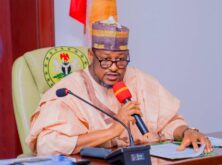
Bernard Doro, minister of Humanitarian Affairs and Poverty Reduction, made the call in Abuja during a closed-door engagement on the work of the Excellence Community Education Welfare Scheme (ECEWS) and its partnerships with government and development organisations in strengthening Nigeria’s health sector.
Doro said accountability remained a critical requirement for organisations operating within the humanitarian ecosystem because their work directly affects vulnerable populations.
“For those working in the humanitarian ecosystem, our work has to do with vulnerable people, and so accountability is very key. We need to ensure that whatever we do gets to the last mile,” the minister said.
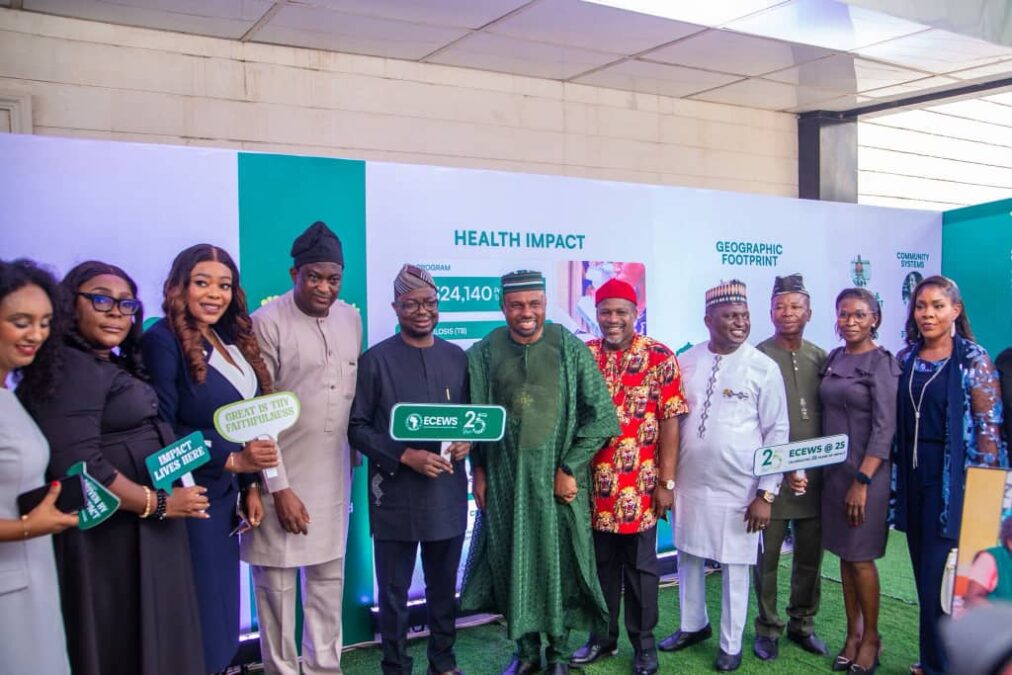
The minister commended ECEWS for its 25 years of interventions across education, health and community development, adding that its work demonstrated the importance of effective partnerships in improving outcomes for Nigerians.
He urged development partners to work with credible local organisations that have the capacity to implement programmes effectively.
Muhammad Pate, Coordinating Minister of Health and Social Welfare, represented by Muntaqa Umar-Sadiq, said the Federal Government was recognising organisations that had demonstrated sustainability and long-term impact in supporting national health priorities.
He said one of the key takeaways from ECEWS’ 25-year journey was the ability to sustain results over time, noting that few institutions in Nigeria had maintained such consistency in the health and education sectors.
According to him, the organisation’s work aligned with the government’s human capital development agenda, particularly in expanding access to essential services.
The minister added that the government was also using the occasion to encourage more local institutions to develop the capacity to deliver similar programmes at scale.
EnoAbasi Urua, chairman of the Board of ECEWS, said the organisation’s journey began 25 years ago with interventions in education before expanding into health, particularly HIV/AIDS programmes.
He said at a time when HIV/AIDS was claiming many lives, ECEWS’ involvement in providing access to antiretroviral treatment helped many Nigerians regain their health and livelihoods.
“With the intervention of ECEWS, people got back their lives. People lived because they had hope and there were medications that were dispensed to them through the intervention of ECEWS,” he said.
Urua said the organisation had since expanded its interventions to tuberculosis, malaria and other health programmes across 19 states of the federation.
Beyond health, he said ECEWS had also supported empowerment initiatives, including helping vulnerable women move from small-scale trading activities to owning sustainable businesses.
Andy Eyo, chief executive officer of ECEWS, attributed the organisation’s growth and partnerships with international institutions to a commitment to integrity, accountability and continuous improvement.
Eyo said ECEWS’ work over the past 25 years was driven by a belief that organisations must prioritise national development and service to communities.
Eyo noted that ECEWS had worked with several development partners, including the United States government, the Islamic Development Bank, UNICEF and the Global Fund, because of confidence in its management of resources and programme delivery.
He encouraged other organisations to focus on competence, learning and transparency, stressing that integrity was not only about financial accountability but also about building capacity to deliver results.

Join BusinessDay whatsapp Channel, to stay up to date
Open In Whatsapp