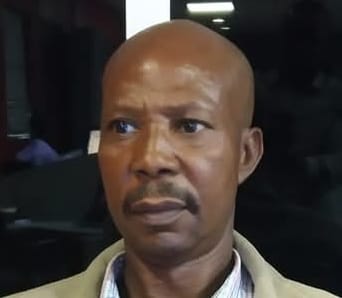

As you know, every city has its own unique sound, and I have come to associate it with that unique sound that makes Lagos what it is. Having stayed here for over four decades, I have every right to call myself “Omo Eko”. However, through these years, one issue has become a recurring decimal – waste and its management. This has been a spot in whatever sacrifices the state has made to make residents and investors thrive.
For decades, Lagos has battled with the challenge of waste management. Unfortunately, what was once an environmental concern has now evolved into a full-scale public health emergency. Across major roads, markets, residential environments, and business districts, heaps of refuse have become a common sight. This rainy season, the situation has worsened as blocked drains force floodwaters to carry garbage onto roads, into homes, and across the environment.
The consequences are more dangerous than we think, as a city buried under waste creates the perfect breeding ground for disease-carrying objects, with rats, cockroaches, flies, and mosquitoes thriving in such environments. The possibility of outbreaks of cholera, typhoid, diarrhoea, dysentery, and other water-borne diseases becomes significantly higher when refuse accumulates unchecked, and drainage systems become blocked.
The frightening reality is that many Lagos residents already live under these conditions daily. From Iyana-Ipaja to Agege, from Oshodi to Apapa, from Ikotun to Marina, from Okota to Amuwo Odofin, and from Mile 2 to Ajegunle, the story is often the same. Overflowing drains, foul-smelling gutters, indiscriminate dumping of refuse, and streets lined with heaps of waste have become distressingly familiar features of this cosmopolitan city, and this should concern all of us.
The economic implications alone are huge, as Lagos contributes a significant share of Nigeria’s gross domestic product. It hosts thousands of local and international businesses. Yet, investors are unlikely to be impressed by a city struggling to manage its waste. Environmental degradation reduces property values, discourages tourism, increases healthcare costs, and undermines the city’s competitiveness.
When floods occur because drainage channels are blocked with refuse, businesses lose operating hours, goods are damaged, transportation becomes difficult, and overall productivity suffers. The resulting losses run into billions of naira yearly. In effect, poor waste management becomes an invisible tax on residents and businesses alike.
More troubling is the fact that responsibility for the problem can no longer be placed solely on the government or residents, as the truth lies somewhere in-between.
Government agencies undoubtedly have a duty to provide efficient waste collection systems, enforce environmental regulations, maintain drainage infrastructure, and ensure accountability among waste contractors. Where these responsibilities are neglected, the consequences become visible in the form of overflowing dumpsites and uncollected refuse.
However, residents must also accept their share of responsibility. It is common to see individuals throw refuse from moving vehicles, dump waste into gutters, or dispose of household garbage in unauthorised locations. Some landlords illegally channel sewage into public drains. Market operators often leave waste unattended after business. These actions collectively contribute to the environmental crisis we are all suffering from today.
The debate over whether the problem stems from government failure or public irresponsibility misses the larger picture. Yes, both are contributing factors, and both must be addressed at the same time.
The experience of cities around the world demonstrates that cleanliness is not achieved by government action alone. It is sustained by a culture of environmental responsibility backed by strict enforcement.
Tokyo offers an instructive example. In Japan’s capital, authorities recently introduced on-the-spot fines for littering in busy districts such as Shibuya. Under the policy, individuals caught dropping even a small piece of trash face immediate penalties. The objective is simple: create consequences for irresponsible behaviour and encourage a culture of cleanliness.
Lagos may not be Tokyo, but there are lessons to learn. Environmental laws must not merely exist on paper; they must be enforced consistently. Individuals, businesses, market associations, transport operators, and landlords who violate sanitation regulations should face stipulated penalties. Without enforcement, public awareness campaigns alone will produce limited results.
At the same time, enforcement must be followed by improved infrastructure, as waste bins should be more accessible, and collection schedules must be reliable. Recycling initiatives should be expanded, and informal waste collectors (cart pushers – kule kule) should be integrated into a structured system that promotes environmental sustainability while creating jobs.
Schools, religious institutions, community development associations, and the media also have critical roles to play. Environmental education should become a continuous process that teaches citizens that cleanliness is not somebody else’s responsibility but everyone’s responsibility.
If Lagos, our state, continues on this current path, it risks becoming increasingly vulnerable to disease outbreaks, flooding, environmental degradation, and economic decline. The cost of inaction will be borne not only by today’s residents but also by future generations.
On the other hand, if the government, businesses, and citizens work together, the state can transform this challenge into an opportunity. A cleaner city would mean healthier residents, lower healthcare costs, improved investor confidence, increased tourism potential, and a better quality of life for all.
The rescue of Lagos cannot be left to the government alone. Neither can it be left to environmental agencies’ workers; everybody, irrespective of what you do, must become part of the solution.
Lagos is too important to Nigeria and Africa to be allowed to sink beneath mountains of waste. The time for blame has passed, and the time for collective action has come.
If we fail to act now, the city will continue to drown in its own waste. But if we choose responsibility over indifference, the state can once again become a model megacity worthy of its status as Africa’s economic capital.

Join BusinessDay whatsapp Channel, to stay up to date
Open In Whatsapp