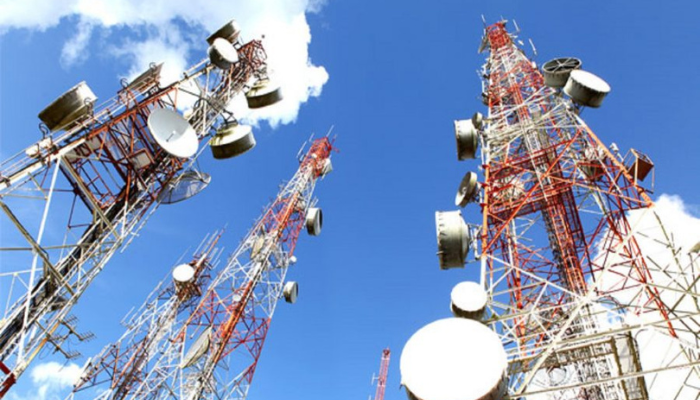
Despite a recent increase in mobile data tariffs approved by the Nigerian Communications Commission (NCC), many Nigerian subscribers say they are paying more for internet services without experiencing a corresponding improvement in network quality.
Nigerian telecom subscribers are facing severe frustration over the rising costs of data subscriptions, rapid data depletion, and poor network quality. Despite tariff adjustments intended to boost service delivery, users continue to experience erratic connections and dropped calls.
The NCC approved a tariff adjustment of up to 50 percent in January 2025, which led to increases in the prices of data, calls, and SMS across major telecommunications networks. The decision followed repeated requests from operators who cited rising operational costs, inflationary pressures, and foreign exchange challenges. Since then, telecom companies have adjusted their data plans, with some bundles increasing by over 60 percent. While operators argue that the hike is necessary to support infrastructure development, many consumers say the service quality does not reflect the higher cost.
Read also: NCC, industry push new rules as fibre bottlenecks threaten broadband targets
Recent figures from the NCC also show that Nigeria’s internet consumption dropped slightly in March 2025, even though the number of mobile internet subscribers increased. This indicates that while more Nigerians are coming online, many are reducing usage due to the rising cost of data.
A cross-section of subscribers interviewed expressed frustration over both affordability and network performance.
Lola Adegboyega said the increase has forced her to cut back on internet usage.
“I now spend more on data than before, and I have had to limit how I use the internet,” she said. “I have not noticed any major improvement that justifies the increase. Many users still experience slow speeds, poor connectivity, and network interruptions.”
She added that telecom operators should prioritize improving network reliability while maintaining affordable pricing for users.
Another subscriber, Barakat Olabinjo, described the situation as financially stressful.
“The increase in data prices has tremendously affected how I use the internet because it restricts me from spending more time online,” she said. “The service quality has not improved. If anything, it has become worse, with slow connections and network congestion.”
She also noted that data bundles no longer last as long as they used to, making it difficult for users to plan their monthly internet consumption.
For Obaloluwa Oladapo, the issue has affected access to learning and self-development.
“I no longer watch many educational videos online because of the cost of data,” he said. “The service has not improved. It is not worth the amount we now pay.”
Similarly, Adebukola Janet said network performance has deteriorated despite higher charges.
“I don’t think the service has improved. It is even getting worse because I have not been enjoying my network for the past few weeks,” she said, urging government intervention to help reduce data costs while compelling operators to improve service delivery.
Despite public concerns, telecom operators have reported strong financial gains following the tariff adjustment, with industry data showing increased revenue from data services driven by higher pricing and sustained demand for digital connectivity.
The Chief Executive Officer of MTN Nigeria, Karl Toriola, has defended the current pricing structure, stating that Nigeria still maintains some of the lowest data rates compared to many countries, even after the recent increase.
However, subscribers insist that the issue is not only the cost of data but also the value they receive in return. They argue that higher tariffs should be accompanied by visible improvements in speed, stability, and overall service quality.
As internet access continues to play a vital role in education, business, banking, and communication, many Nigerians believe that future tariff adjustments should be tied to measurable improvements in service delivery. Until then, the debate over whether the rising cost of data matches its quality is expected to continue.

Join BusinessDay whatsapp Channel, to stay up to date
Open In Whatsapp