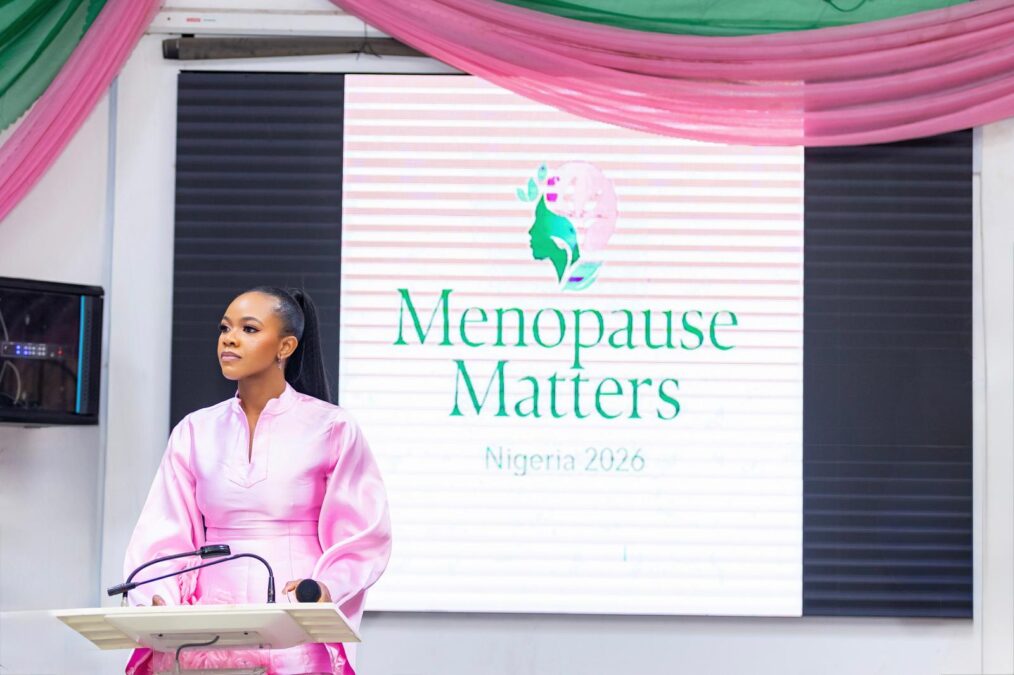
Menopause, a health issue that affects millions of Nigerian women but remains largely absent from public discourse and workplace policy, moved into the spotlight in Abuja as healthcare advocates, policymakers and civil society leaders gathered for Menopause Matters Nigeria 2026.
The event, organised by UK-based doctor and menopause specialist Odinaka Nwodo-Ezeribe and hosted by the National Human Rights Commission (NHRC), brought together healthcare professionals, legal experts, diplomats, business leaders and community advocates to address what participants described as one of Nigeria’s most overlooked public health challenges.
Held under the theme, *”Breaking the Silence, Empowering the Future,”* the conference sought to challenge cultural stigma surrounding menopause while highlighting its economic, social and healthcare implications.
For many attendees, the significance of the event extended beyond women’s health. Speakers repeatedly framed menopause as an issue that affects workforce productivity, family wellbeing, healthcare delivery and human rights.
“Menopause is not simply a biological transition; it is a matter of dignity, access to healthcare and social inclusion,” organisers noted during the event.
The decision by the NHRC to host the gathering underscored that message. Speaking at the conference, Dr. Anthony Okechukwu Ojukwu, executive secretary of the commission, emphasised the need for greater awareness and support for women navigating midlife health challenges.
Health experts estimate that between 30 million and 40 million Nigerian women are currently in the perimenopausal or post-menopausal stage of life. Despite the scale of the population affected, menopause receives limited attention in healthcare training, workplace policies and public health campaigns.
Many women experience symptoms ranging from hot flushes and sleep disturbances to mood changes, cognitive difficulties and joint pain, often without receiving appropriate diagnosis or support.
The conference highlighted concerns that these symptoms are frequently misunderstood or dismissed, leading to reduced quality of life and, in some cases, diminished workplace performance.
A key feature of the event was its broad coalition of local and international partners.
Among them was Balance UK, a global hormone health education platform founded by Dr. Louise Newson, a member of the United Kingdom government’s Menopause Taskforce. Through a partnership with Hallmark Health Limited, Balance provided educational materials covering symptom management, workplace rights and access to healthcare support.
Also participating was the Menopausal Community Support Initiative (MCSI), a Nigerian advocacy organisation focused on supporting women at the grassroots level. Organisers stressed that awareness campaigns must extend beyond conferences into communities, religious centres and households where many women continue to suffer in silence.
Private-sector participation was also evident. One World Supply Chain (OWSC) supported logistics for the event, reflecting growing recognition among businesses that employee wellbeing and productivity can be affected by menopause-related challenges.
The audience itself reflected the expanding reach of the conversation.
Among attendees were former Anambra deputy governor Stella Odife, healthcare specialists, development professionals, legal practitioners and women leaders from various sectors. Equally notable was the presence of men, including spouses, professionals and community leaders seeking to better understand the experiences of women in their lives and workplaces.
The conference’s panel discussions generated some of the most engaging conversations of the day.
Experts explored topics ranging from perimenopause in younger women to post-menopausal health, workplace accommodation, mental health and family relationships. Discussions also examined legal protections and the responsibilities of employers in creating supportive environments for women experiencing menopausal symptoms.
Genevieve Nwodo Wakeley-Jones, a dual-qualified lawyer in Nigeria and the United Kingdom and vice-chair of the British Nigeria Law Forum, led conversations on workplace rights and legal protections for women.
Other sessions focused on nutrition, physiotherapy and preventive healthcare. Speakers included Dr. Chito Nwana, founder of Arabella Women’s Health and Wellness Center; registered dietitian Chinenye Mgbojikwe; and physiotherapists Stephanie Udoh and Tochukwu Igwe.
Participants repeatedly called for menopause to be integrated into Nigeria’s national health agenda.
Recommendations emerging from the event included expanded healthcare worker training, greater public awareness campaigns, workplace policies that support menopausal women and increased research funding.
Advocates also urged employers to recognise menopause as a workplace issue rather than a private matter. They argued that retaining experienced female talent requires creating environments where women can access information, healthcare support and flexible work arrangements when necessary.
For organisers, the conference represented the beginning rather than the culmination of a broader movement.
“What we have started here is a national conversation,” Dr. Nwodo-Ezeribe said. “Women deserve accurate information, access to care and the confidence to speak openly about their experiences.”
As Nigeria grapples with broader healthcare and workforce challenges, advocates believe menopause may become an increasingly important policy issue. The Abuja gathering demonstrated that a subject once considered taboo is gradually entering mainstream discussions about health, productivity and gender equity.
Whether that momentum translates into concrete policy reforms remains to be seen, but for many of the women who attended, the silence surrounding menopause has already begun to break.

Join BusinessDay whatsapp Channel, to stay up to date
Open In Whatsapp