Experts have identified stronger local market confidence, reliable data, and strategic investment in creative infrastructure as the critical elements required to unlock the full potential of Nigeria’s creative economy.
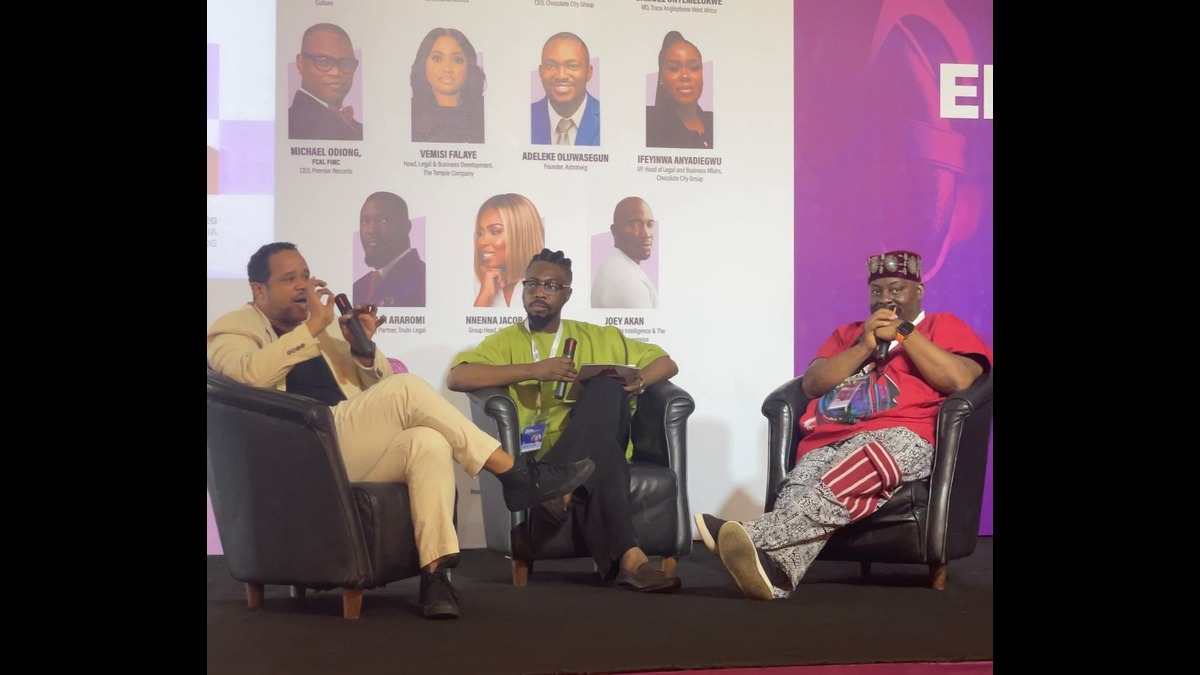
Sam Onyemelukwe, Trace Anglophone West Africa managing director, speaking at BusinessDay’s Creative Entertainment Summit 2026, stated that the primary challenge facing the sector remains the purchasing power of the domestic economy. He urged young creatives and industry stakeholders to maximise existing opportunities, noting that future growth depends heavily on increased domestic investment and consumer confidence.
Addressing the data gap
A significant barrier to growth is the lack of reliable industry data, which continues to hinder effective decision-making. Onyemelukwe highlighted that the seasonal entertainment boom, commercially referred to as “Detty December,” needs to expand beyond Lagos to become a nationwide economic catalyst.
Read also: Why African creators are missing out on Afrobeats windfall
“There is a data gap, and we are seeing more people step into it,” Onyemelukwe said. “Data informs future decisions, and pulling data points is critical.”
Building structures for global value
Obi Asika, National Council for Arts and Culture (NCAC) director-general, stated that Nigeria must establish stronger institutional frameworks to capture the full global value of its creative output. While celebrating the international rise of Afrobeats, Asika emphasised that self-belief and cultural identity remain the industry’s greatest strengths.
“The biggest gap is self-belief,” Asika said. “What made Afrobeats possible is that we believed it was possible. Once an artist found out that being Nigerian was enough, everything changed.”
Decentralising the creative wealth
Nigeria possesses highly valuable creative assets and intellectual property but lacks the structural connections necessary to convert them into sustained economic returns. To address this, Asika called for increased investment in cultural festivals and creative events across all states, arguing that entertainment wealth should not remain concentrated in Lagos.
Regions such as the Federal Capital Territory (FCT), Enugu, and Cross River are well-positioned to benefit from the expanding entertainment economy. Existing events, including the Rivers State carnival and various entertainment activities in Uyo, demonstrate the vast potential for broader regional participation.
Developing sustainable creative brands
The creative economy extends far beyond the music sector, requiring innovative business models that teach creators how to build sustainable brands and monetise their intellectual property. Asika praised Nigerian artists for expanding their global footprint, citing recent international performances by Davido and his team in London as prime examples of how African entertainment drives broader economic activity.
Read also: Data, structure, legal framework key to unlocking Nigeria’s creative economy growth – Experts
The economic impact of large-scale entertainment events extends well beyond ticket sales, generating substantial revenue for the hospitality sector, local businesses, and host communities. “It is not just about paying the money, but filling the stadium,” Asika stated. “The stadium and hotels will make money.”


Join BusinessDay whatsapp Channel, to stay up to date
Open In Whatsapp