Nigeria has recorded its first-ever parole release under the provisions of the Nigerian Correctional Service (NCoS) Act, 2019, with 10 inmates released in Abia State.
The event, held at the Medium Security Custodial Centre in Umuahia, marked the first practical implementation of the parole system since the enactment of the Nigerian Correctional Service Act, 2019, and signals a new phase in Nigeria’s efforts to promote offender rehabilitation, community reintegration, restorative justice, and custodial decongestion.
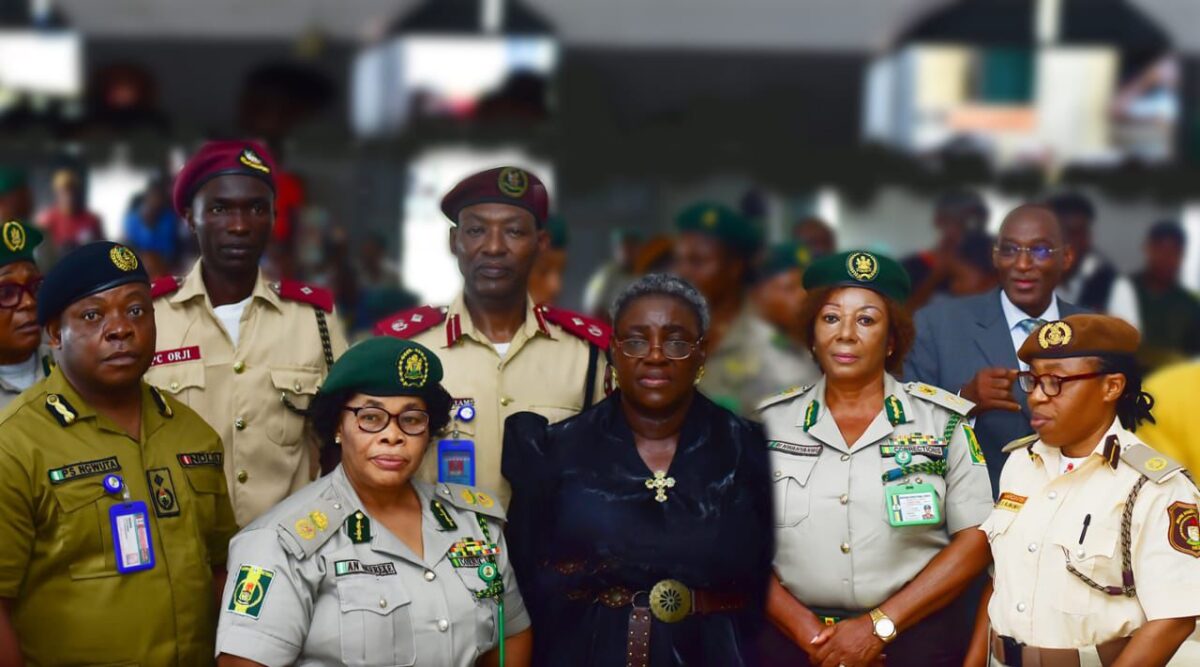
Speaking on behalf of Sylvester Nwakuche, Controller-General of Corrections, Ngozi Okeke, Zonal Coordinator and Assistant Controller-General of Corrections, described the development as a defining moment in Nigeria’s correctional history.
According to the Controller-General, the successful rollout of parole demonstrates the Service’s commitment to implementing the transformative provisions of the Act and aligning Nigeria’s correctional administration with global best practices.
He explained that parole is a widely recognised correctional mechanism that allows carefully selected inmates who have demonstrated good conduct and readiness for reintegration to complete part of their sentences within the community under supervision.
Nwakuche noted that the initiative balances public safety with rehabilitation, adding that it reflects the Federal Government’s commitment to adopting progressive correctional measures that offer deserving offenders a second chance while ensuring accountability.
He expressed confidence that the commencement of parole administration in Nigeria would contribute significantly to reducing repeat offences, improving rehabilitation outcomes, strengthening reintegration efforts, and easing overcrowding in custodial facilities nationwide.
The Controller-General commended the Abia State Command of the Nigerian Correctional Service for pioneering the implementation of the parole system and positioning the state as a model for other commands across the federation.
He also praised the Abia State Parole Board, members of the judiciary, and other criminal justice stakeholders whose collaboration made the exercise possible.
Special recognition was given to non-governmental organisations and development partners, including Prisoners Rehabilitation and Welfare Action (PRAWA), the International IDEA Programme, and the Rule of Law and Anti-Corruption Programme (ROLAC), for their support in advancing correctional reforms and offender reintegration initiatives in Nigeria.
Earlier in her welcome address, Nwanyanwu Ifeoma, Controller of Corrections in Abia State, described the event as a practical demonstration of the Service’s commitment to a rehabilitation-driven correctional system.
She expressed appreciation to all stakeholders who contributed to the successful implementation of the parole process, noting that the development underscores the growing emphasis on reform and reintegration rather than punishment alone.
Obisike Oji, Chairman of the Abia State Parole Board, clarified that parole should not be mistaken for a pardon or act of clemency.
According to him, parole is a structured correctional measure designed to facilitate the supervised return of eligible inmates to society while ensuring compliance with established conditions.
He urged the beneficiaries to remain law-abiding and seize the opportunity to become productive members of their communities.
Uju Agomoh, President of PRAWA, lauded the Nigerian Correctional Service for operationalising one of the most significant provisions of the NCoS Act, 2019.
Representatives of the judiciary, security agencies, civil society organisations, and development partners similarly applauded the development and pledged continued support for correctional reforms across the country.
A major highlight of the ceremony was the formal release of the 10 parolees, who were drawn from the Medium Security Custodial Centres in Aba and Umuahia, as well as the Custodial Centre in Arochukwu.
To support their transition back into society, the beneficiaries received various empowerment and reintegration packages, including sewing machines, vocational tools, and other livelihood support materials provided through the partnership of PRAWA, IDEA, and ROLAC.
They were also given financial assistance to facilitate transportation and resettlement.
Speaking on behalf of the released inmates, one of the parolees expressed gratitude to the Nigerian Correctional Service, the Parole Board, development partners, and other stakeholders for giving them an opportunity to rebuild their lives.
The parolee pledged that the beneficiaries would make positive contributions to society and justify the confidence reposed in them.

Join BusinessDay whatsapp Channel, to stay up to date
Open In Whatsapp