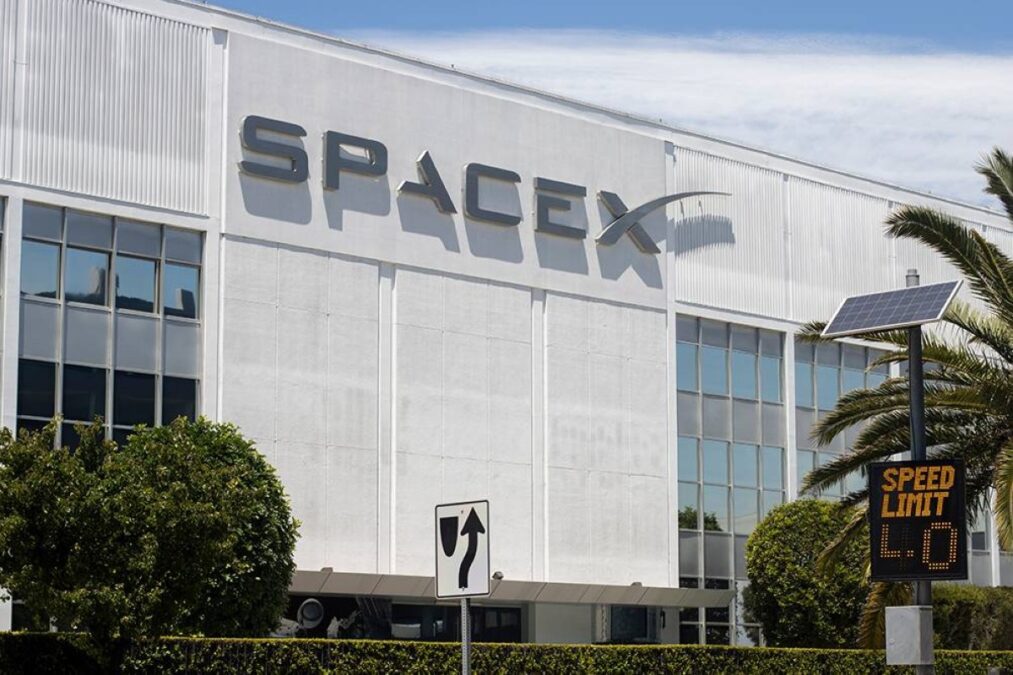
When SpaceX struggled to stay alive in 2008 after three failed rocket launches, few investors wanted to touch the company.
Nearly two decades later, those who took the risk are reaping some of the biggest rewards in venture capital history as SpaceX debuts on the stock market with a valuation approaching $2 trillion.
The public listing has transformed early believers into some of the biggest winners in modern technology investing, while also creating thousands of new millionaires among employees.
At the centre of the success story is Elon Musk, whose company has grown from a cash-strapped startup into the world’s dominant commercial space business. Following the listing, Musk’s stake has reportedly pushed his net worth beyond the trillion-dollar mark, making him the first person to reach that milestone.
Read also: SpaceX shares surge above $160 on record-breaking IPO
Founders Fund leads historic venture capital payday
Among institutional investors, Founders Fund emerged as the biggest winner. The venture capital firm co-founded by Peter Thiel made a crucial $20 million investment in SpaceX in 2008 when the company was fighting for survival.
The investment came just days before a critical Falcon 1 rocket launch. Had that launch failed, many analysts believe SpaceX might not have survived. Instead, the mission succeeded, changing the company’s fortunes.
Over the years, Founders Fund invested about $600 million across multiple funding rounds. Today, that stake is estimated to be worth around $67 billion, representing one of the most successful venture capital investments ever recorded.
Luke Nosek, a partner at Founders Fund and longtime supporter of Musk’s vision, played a key role in backing the company during its most difficult period.
Antonio Gracias and Valor Equity cash in
Another major beneficiary is Valor Equity Partners, led by Antonio Gracias, one of Musk’s closest business associates.
Valor invested hundreds of millions of dollars in SpaceX during its growth years and is now sitting on a stake valued in the tens of billions of dollars.
Gracias was among a small group of investors who remained confident that reusable rockets could fundamentally change the economics of space travel.
Silicon Valley giants reap massive gains
Several leading venture capital firms also scored enormous returns.
Andreessen Horowitz (a16z), one of Silicon Valley’s most influential investment firms, is estimated to hold a position worth about $10 billion.
Sequoia Capital, DFJ Growth, Gigafund and 137 Ventures also generated huge gains after backing the company during different stages of its expansion.
Although many of these firms joined after SpaceX had already demonstrated some success, their investments still delivered extraordinary returns by venture capital standards.
Alphabet and Fidelity benefit from later bets
Not all winners came in during the company’s earliest years.
Alphabet, Google’s parent company, invested roughly $900 million in 2015 and has seen the value of that investment multiply several times. Fidelity and other institutional investors that joined later funding rounds also recorded significant gains as SpaceX expanded its launch business and Starlink satellite internet network.
However, industry analysts note that the biggest rewards went to investors who backed the company when failure seemed more likely than success.
Thousands of employees become millionaires
The IPO has not only rewarded investors. Thousands of current and former employees are also benefiting.
An estimated 4,400 workers have become millionaires through stock grants accumulated over the years. Engineers, technicians, factory workers, welders and even support staff who received equity are now sharing in the company’s success.
Gwynne Shotwell, SpaceX president, is among the largest individual beneficiaries outside Musk, with a stake reportedly worth more than $1 billion.
A lesson in patient investing
The SpaceX story is increasingly being viewed as a case study in the power of long-term, high-conviction investing.
For years, investors faced uncertainty over rocket failures, funding shortages and technical challenges. Yet those who remained committed saw the company evolve from a risky startup into a global leader in space transportation, satellite communications and reusable rocket technology.
Today, SpaceX launches more rockets than any other company in the world and operates Starlink, one of the largest satellite internet networks globally.
Read also: SpaceX plans orbital AI data centers on Elon Musk’s space-based computing push
New era begins for SpaceX
The stock market debut marks the beginning of a new chapter for the company. Access to public market capital could help finance ambitious plans including larger rockets, deeper space exploration missions and eventual journeys to Mars.
However, becoming a publicly traded company will also expose SpaceX to new challenges, including shareholder scrutiny, quarterly earnings expectations and market volatility.
For investors who took a chance on the company when it was close to collapse, the outcome has exceeded even the most optimistic expectations.
What began as a risky bet on a struggling rocket startup has become one of the most remarkable wealth-creation stories in modern business history, proving that patience, vision and belief in breakthrough technology can generate rewards on a historic scale.


Join BusinessDay whatsapp Channel, to stay up to date
Open In Whatsapp