A recent BusinessDay story that Nigerian manufacturers spent a shocking N1.4 trillion on alternative power generation in 2025 should alarm every citizen. It is not merely a statistic about factories but a reflection of the hidden tax Nigerians pay daily for governance failure.
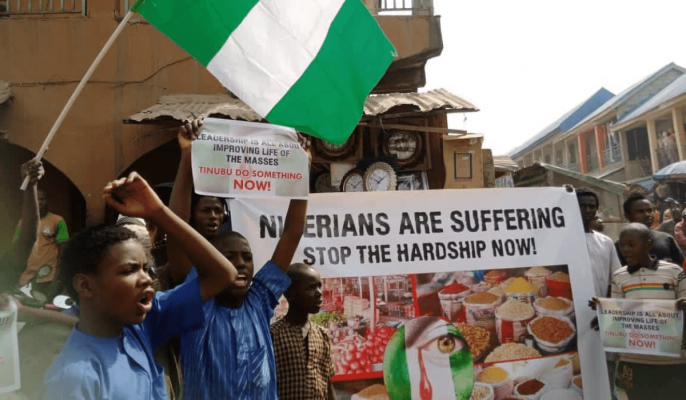
Let’s rewind: For more than a decade, Nigerians have been told to endure. They have been urged to tighten their belts, make sacrifices, and accept economic hardship as the necessary price for a brighter future. Every administration has had its own version of the same message; the pain is temporary, prosperity is around the corner, and patience is a civic duty.
Yet, as ordinary Nigerians continue to bear the weight of rising prices, shrinking incomes and declining living standards, the conduct of our nation’s political elite tells a completely different story.
There is an old saying that there is “no free lunch in Freetown”. The manufacturers are not charitable organisations. They are businesses established to make profits, and therefore, every naira spent on diesel, gas and generators eventually finds its way into the prices of goods and services. The burden is ultimately transferred to consumers who have little or no alternative. At the end, these manufacturers declare trillions of naira as profit after tax – on the blood of the Nigerian consumers.
We know when factories spend N1.4 trillion to generate their own electricity, Nigerians pay for it when they buy bread, pharmaceuticals, beverages, processed foods, household products and virtually every item produced locally. The manufacturer pays first, but the consumer pays last.
This is why discussions about power supply are not merely technical debates but conversations about poverty, inflation and national survival.
The tragedy is that this situation is not new. For decades, Nigeria has remained trapped in a cycle of power shortages despite enormous investments, countless reforms and endless promises. A nation of over 200 million people still struggles to generate less than 5,000 megawatts consistently, and when generated, the transmission lines are so bad that the power does not get to the last mile.
As the manufacturers face soaring production costs, small businesses struggle to survive, investors look elsewhere, jobs disappear, prices rise, and consumers suffer.
Yet, while citizens are urged to embrace sacrifice, many public officials appear insulated from the realities confronting the people, and this is where the issue becomes most painful.
The average Nigerian today faces a cost-of-living crisis unprecedented in recent history. Food prices remain high, transportation costs have increased dramatically, electricity tariffs have risen, and school fees have become unaffordable for many families. Paying out of pocket for healthcare is now beyond the reach of the ordinary Nigerian, and above all, rent is beyond the reach of millions.
In many households, survival has become a daily calculation.
At the same time, stories continue to emerge about extravagant government spending, paying millions for political forms, with bloated convoys, expensive foreign trips, luxury vehicles, lavish official residences and ceremonies that often seem detached from our nation’s economic realities.
Even the language used by some political leaders sometimes reflects this disconnect. Speeches calling for sacrifice often come from officials whose lifestyles suggest that sacrifice is something reserved for ordinary citizens.
Nothing fuels public frustration more than asking citizens to endure hardship while leaders display little evidence of sharing the burden.
History shows that during periods of economic difficulty, successful nations often demonstrate leadership by example. Governments reduce waste, cut non-essential spending and visibly align themselves with the suffering of their people. Such actions build trust and encourage public cooperation.
today, we all know that trust is the missing ingredient in our nation’s economic conversation.
Many Nigerians are willing to make sacrifices when they believe those sacrifices are necessary, fairly shared and likely to produce results. What they reject is a system where hardship is socialised while privilege remains concentrated among a small political class.
The N1.4 trillion spent on self-generated power is therefore more than an industrial challenge. It is a symbol of a broader governance problem. It reflects years of policy failures, poor implementation, weak accountability and misplaced priorities.
The way forward requires more than new policies on paper.
The government must aggressively tackle the power crisis. The Electricity Act and state-level electricity reforms provide an opportunity for decentralised power generation. States should be encouraged to attract private investment, develop renewable energy projects and create independent electricity markets that can serve industries and households efficiently.
Also, public spending must reflect the realities facing citizens. This is not the time for extravagant projects, excessive political appointments or unnecessary luxuries funded by taxpayers. Every naira saved from waste can be redirected toward infrastructure, education, healthcare and power development.
Similarly, transparency and accountability must become non-negotiable. Nigerians deserve to know how public resources are being utilised and what measurable outcomes are being achieved.
Likewise, the government must prioritise industrial competitiveness. A manufacturing sector burdened by energy costs cannot drive economic growth, create jobs or compete globally. Affordable and reliable power should be treated as an economic emergency.
Above all, leadership must become more compassionate. Citizens are more likely to support difficult reforms when leaders demonstrate that everyone is sharing the burden.
Nigeria cannot continue to operate as a nation where the majority endure hardship while a privileged minority enjoys comfort financed by public resources. Such a model is economically unsustainable and politically dangerous.
The truth is simple – sacrifice without shared responsibility breeds resentment, as pain without visible progress breeds frustration, and promises without results breed suspicion.
As manufacturers spend trillions generating their own electricity and consumers bear the resulting costs, the question Nigerians keep asking remains valid: when will the ordinary citizen finally enjoy a lease of life?

Join BusinessDay whatsapp Channel, to stay up to date
Open In Whatsapp