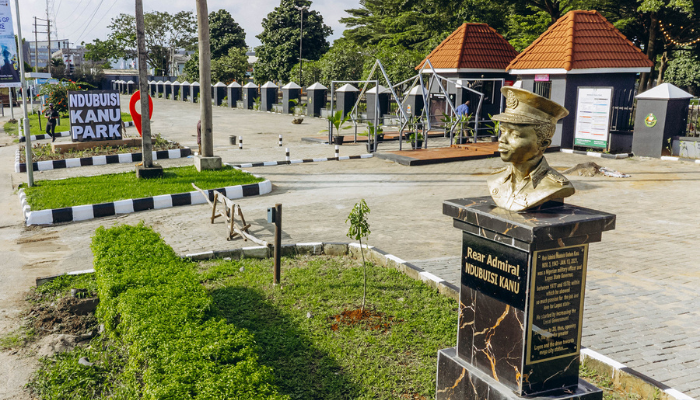
Parks and recreational areas, previously seen as urban luxuries, are rapidly transitioning into absolute necessities in Nigeria. With the nation’s GDP growing by 4.07 percent year-on-year in real terms in the fourth quarter of 2025, and inflation hitting 15.69 percent in April 2026, the rising cost of living is greatly squeezing household budgets.
As cities densify and private country clubs or exclusive leisure centres remain out of reach for the average residents, citizens are increasingly drawn to accessible public amenities as essential, low-cost sanctuaries for recreation. For many families, expensive weekend outings have been replaced by local park visits, providing much-needed respite.
The impact of these spaces extends far beyond economics, directly improving the daily lives of residents across all demographics. Health-wise, urban green spaces serve as the “lungs” of our cities; they provide an optimal buffer against vehicular exhaust fumes, lower local temperatures, and offer a free environment for physical exercise, which is critical in combating lifestyle-related illnesses.
Socially, these areas also foster community cohesion; children gain safe, dedicated zones to play, adults enjoy a hiatus from their work stress, and families can gather communally without the financial burden of fleeing the city.
Recognizing the increasing demand for green infrastructure, the Lagos State Parks and Gardens Agency (LASPARK) has actively worked to make the state “beautiful, safe, and healthy.”
The agency reports that over 327 parks and gardens have now been captured and maintained statewide, transforming many formerly neglected lots into vibrant public hubs. This milestone proves that green spaces are now being treated as a foundational element of city planning, rather than an aesthetic afterthought.
This growing appreciation for the outdoors has also changed how developers design residential communities. Providing recreational areas is no longer solely a government responsibility; private estates across the country now integrate well-maintained parks as a primary selling point.
A prime example is the Banana Island Park in Lagos, a haven that provides residents with a secure environment to jog, walk pets, and talk with neighbours. Similarly, modern developments like Ilupeju Gardens emphasize eco-friendly living by featuring expansive private parks and tree-lined avenues to deliberately improve local quality of life.
Developers recognize that today’s homebuyers demand a holistic lifestyle that balances architecture with nature.
Unsurprisingly, this shift directly dictates real estate economics. A 2024 academic study focused on Awka revealed that proximity to open spaces actively sustains residential property prices while boosting rental yields by drawing tenants to the neighborhood.
For real estate developers and property valuers, the presence of accessible green space is a proven catalyst for market demand — buyers are no longer just purchasing a building; they are investing in their personal well-being and a comfortable neighborhood life.
Ultimately, in contemporary Nigerian cities, parks have evolved far beyond being empty grassy lots awaiting future construction. They are vital urban lifelines that support livability, promote public health, and predictably add substantial commercial value to surrounding properties.
As urban land becomes increasingly expensive, city planning models and private developments that prioritize high-quality open spaces are the ones most likely to thrive in the modern real estate market.
Alpha Mead set to bridge skills gap with graduate trainee programme
Concerned about youth unemployment, the widening skills gap, and the need to strengthen Nigeria’s future workforce, Alpha Mead Group has launched a graduate trainee programme designed to equip young professionals with practical skills, industry exposure, and leadership capabilities.
As one of Africa’s leading integrated real estate solutions companies, the Group operates in over 10 African countries, with a focus on developing and managing facilities and real estate environments.
For the Group, this trainee programme represents more than a recruitment initiative. It is part of a broader vision to contribute to nation-building through talent development and industry capacity enhancement.
Over the years, the Group has built a reputation for delivering integrated solutions across the real estate value chain while maintaining a strong focus on innovation, operational excellence, and professional development. The introduction of the Graduate Trainee Programme further reinforces this commitment.
Beyond its direct impact on participants, the programme is expected to contribute to wider socio-economic development by helping young professionals acquire relevant workplace skills, improve employability, and create pathways for long-term career growth.
As organizations increasingly recognize the need to invest in future talent, programmes such as this highlight the critical role the private sector can play in addressing workforce challenges and supporting sustainable economic development.
With Nigeria’s youth population representing one of its greatest assets, deliberate investments in talent development remain essential to unlocking the country’s long-term growth potential.
Through initiatives like its trainee programme, Alpha Mead Group is contributing to the development of a new generation of professionals equipped to shape the future of business, industry, and society.
The initiative reflects the Group’s commitment to developing human capital and creating opportunities for young graduates seeking to transition successfully from academia into the professional world.
The Group’s management noted in Lagos over the weekend that while thousands of young Nigerians graduate annually with academic qualifications, many continue to face challenges in securing meaningful employment due to limited practical experience and industry exposure.
“The future of every industry depends on the quality of talent being developed today. As an organization that has consistently championed innovation and excellence, we recognize the importance of investing in young professionals and preparing them for the realities of the workplace,” the management stated.
They explained that the programme will provide participants with structured learning experiences, mentorship opportunities, rotational assignments across business functions, and exposure to real-life projects within the Group’s operations, spanning facilities management, real estate development, healthcare management, training, and technology-enabled solutions.
Industry experts have always emphasised the importance of graduate development programmes in bridging the gap between education and employment. Such initiatives not only enhance employability but also contribute to the development of a skilled workforce capable of driving economic growth and innovation.
According to labour market analysts, many employers today seek candidates with practical competencies such as problem-solving, communication, adaptability, teamwork, and digital proficiency skills that are often best acquired through structured workplace experience.
By creating opportunities for graduates to gain hands-on exposure and professional guidance, organizations can help accelerate career development while simultaneously building sustainable talent pipelines.

Join BusinessDay whatsapp Channel, to stay up to date
Open In Whatsapp