
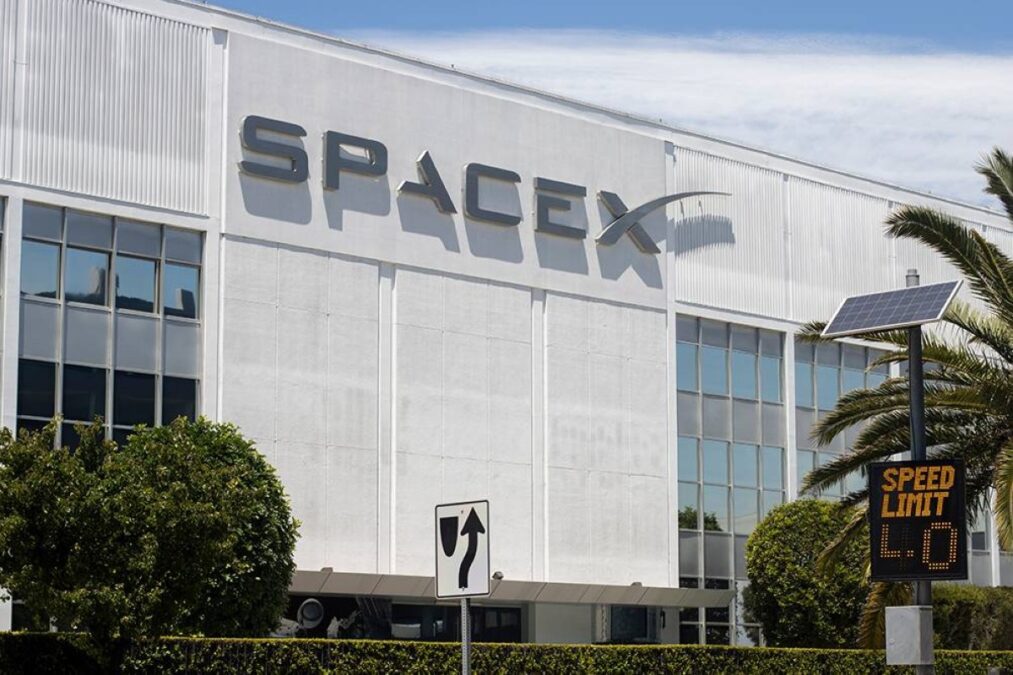
SpaceX officially entered public markets on Friday, June 12, which marked one of the most closely watched stock market debuts ever as Elon Musk’s rocket and satellite company began trading on the Nasdaq.
The company priced its initial public offering (IPO) at $135 per share, raising about $75 billion and giving SpaceX an initial valuation of approximately $1.77 trillion thereby making it the largest IPO ever recorded.
Shares began trading under the ticker symbol SPCX, opening at about $150 per share which is roughly 11 percent above the IPO price, as investors rushed to gain exposure to the company’s ambitions in space technology, satellite communications and artificial intelligence infrastructure.
A record-breaking market debut
SpaceX’s IPO surpassed previous mega-listings and immediately placed the company among the world’s most valuable businesses.
The debut pushed SpaceX’s market value above $2 trillion during early trading which highlights extraordinary investor demand.
Read also: SpaceX plans orbital AI data centers on Elon Musk’s space-based computing push
The offering also became a major test of investor appetite for giant technology listings, with markets watching whether companies built around artificial intelligence and advanced infrastructure can justify enormous valuations.
Why are investors are buying SpaceX?
SpaceX has diverse business lines such as Starlink which is SpaceX’s satellite internet network that has become a major revenue driver, expanding broadband access globally.
Rocket launches which dominates commercial space launches through its reusable Falcon rocket technology. It also has AI and space infrastructure hence investors are also betting on future opportunities involving orbital computing and data infrastructure.
Musk has long-term space ambitions as his plans involve lunar missions and Mars exploration which remain central to the company’s identity.
Musk’s wealth surge
The IPO has increased the value of Musk’s SpaceX holdings, moving him closer to becoming the world’s first trillionaire.
However, the public listing also introduces new scrutiny around Musk’s influence, corporate governance and the company’s ability to deliver profits that match its massive valuation.
Investors remain cautious
Despite the historic debut, analysts have warned that SpaceX’s valuation reflects expectations for future growth rather than current earnings.
The company has reported strong revenue growth but has faced concerns about profitability and the challenges of turning ambitious space projects into sustainable businesses.
Market watchers will now focus on whether SPCX can maintain its opening-day momentum or experience the volatility often seen after major IPOs.
SpaceX’s first trading day represents more than a stock market event but it marks the transformation of one of the world’s most influential private space companies into a public technology giant.


Join BusinessDay whatsapp Channel, to stay up to date
Open In Whatsapp