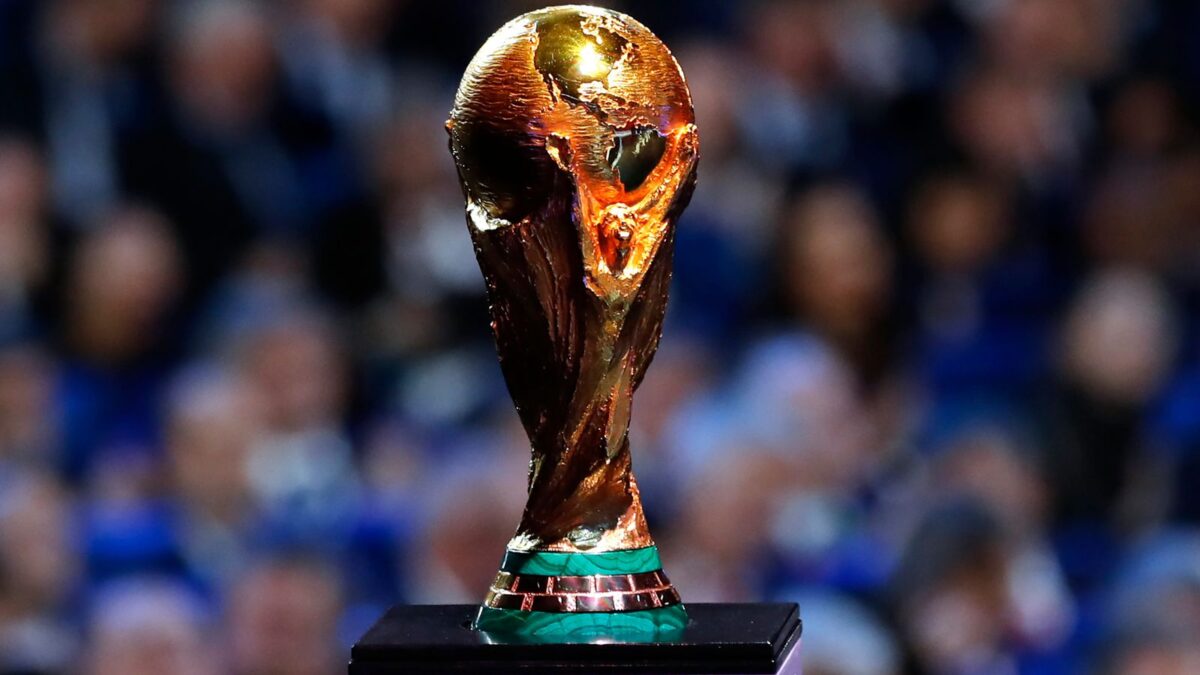
Nigeria’s beer makers are preparing for what could become the biggest consumer spending event of the year as the 2026 FIFA World Cup kicks off.
Although Nigeria failed to qualify for the tournament, major football competitions have historically triggered significant increases in beer consumption as fans gather in homes and viewing centres to watch matches.
For brewers, the World Cup is more than a sporting spectacle—it is a commercial opportunity capable of driving sales growth, expanding market share, and strengthening brand loyalty.
In Nigeria, where football remains the country’s most-followed sport, industry operators expect a surge in demand for alcoholic and non-alcoholic beverages during the month-long tournament.
“Beer consumption is likely to increase,” said Samuel Oyekanmi, chief research officer of Abuja-headquartered consultancy Norrenberger.
Oyekanmi argued that with 104 matches stretching over nearly six weeks and three countries, the tournament could be a boon for the brewing industry, especially with quite some football fans’ favourites, including Cristiano Ronaldo, Lionel Messi, Kylian Mbappe, and Vinicius Junior.
“The sheer star-studdedness of the tournament would mean people would want to watch. And typically, Nigerians tend to watch football matches in lounges and bars compared to the typical viewing centres back in the day.”
Beer brands are already exploring sponsorship deals, promotional campaigns, and fan-engagement initiatives to capture a larger share of consumer spending.
For industry leaders such as Nigerian Breweries Plc, makers of Heineken, Star, and Goldberg, International Breweries, producers of Budweiser and Trophy, and Guinness Nigeria, the World Cup represents a key revenue-generating period that could significantly boost earnings.
Data shows World Cup boosts beer makers’ sales
Historically, global football tournaments have delivered strong growth for fast-moving consumer goods, with beer among the biggest beneficiaries.
According to the audited financial statements of the two biggest brewers, Nigerian Breweries and International Breweries, the consumer goods makers recorded combined sales of N135.49 billion in the 2014 World Cup, which took place between the second and third quarters. That number nearly doubled four years later to N223.8 billion.
In 2022, the number rose to N358.42 billion, with Nigerian Breweries clearly leading in sales, reflecting market strength and reach.
“The World Cup will help the Nigerian brewing sector because the timing of the matches was deliberate. They timed the matches around the time they play the UEFA Champions League in the evening so people can watch, and that will cascade into more sales,” Damilare Asimiyu, macroeconomic strategist at Afrinvest Consulting, said.
The effect of the world’s most-followed tournament would also be felt across the hospitality value chain, with distributors, retailers, restaurants, lounges, and viewing centres benefiting from increased customer traffic.
Sports bars prepare for busy nights
Sports bar owners and viewing-centre operators are already positioning for a surge in patronage.
Charles Anya, a Lagos-based lounge owner, said the World Cup remains one of the most lucrative periods for hospitality businesses.
“A normal match night brings good business, but a World Cup match transforms the entire ledger,” he said.
“We are increasing our beverage orders because fans stay longer, spend more, and often order additional drinks during tense knockout matches and penalty shootouts. That usually translates into double-digit growth in nightly sales.”
Commercial centres such as Lagos, Abuja, Port Harcourt, and Kano are expected to witness heightened activity as football enthusiasts gather to watch the world’s biggest sporting event.
However, Kayode Eseyin, research analyst at Lagos-based CardinalStone, said the three hosting countries are the biggest beneficiaries of the World Cup gains, arguing that if Nigeria had qualified, there would have been a “pass-through effect.”
Opportunity amid economic headwinds
The tournament’s economic impact extends beyond brewers. Advertising agencies, event promoters, beverage distributors, and hospitality operators all stand to benefit from the excitement surrounding the competition.
The key question, however, is whether inflationary pressures and shifting consumer spending habits will limit demand, or whether football’s biggest showpiece will once again deliver a major boost to Nigeria’s beer industry and hospitality sector.
For many businesses, World Cup 2026 is already shaping up as a tournament for making profits, and they are already positioning for that windfall.

Join BusinessDay whatsapp Channel, to stay up to date
Open In Whatsapp