
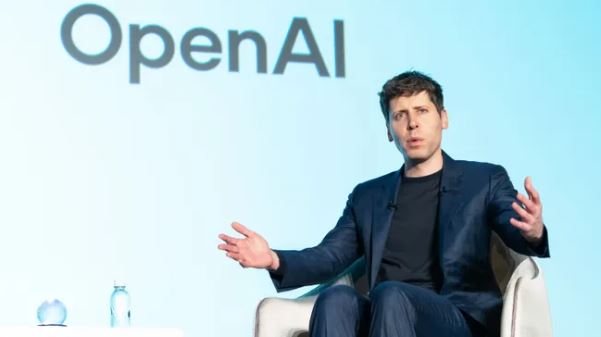
OpenAI is considering a lower cost of ChatGPT and its underlying AI services, which could significantly reduce the price of AI tokens and reshape how developers and businesses access advanced models.
The shift comes amid intensifying competition in the artificial intelligence market, particularly following the launch of Anthropic’s latest high-performance model, Claude Fable 5, which has raised both performance and pricing pressure across the industry.
OpenAI is evaluating whether to cut the fees charged per token, the basic unit used to measure and bill AI usage, as enterprises increasingly complain about rising AI costs and unpredictable usage expenses.
The potential pricing rethink comes just days after OpenAI filed confidentially for an initial public offering (IPO), suggesting the company is also trying to balance investor expectations with competitive realities.
The move for this shift appears to be the rapid progress of rivals such as Anthropic, whose Claude Fable 5 model has emerged as a strong competitor in coding, reasoning, and enterprise AI workloads.
While the model delivers improved performance benchmarks, it also highlights a broader trend in the industry, which is that frontier AI systems are becoming more powerful but also more expensive to run.
What is driving the price pressure?
AI companies like OpenAI and Anthropic rely on ‘token-based’ pricing, where customers pay for every chunk of text processed or generated.
As models become more capable, they often consume more compute, increasing costs for both providers and users. This has led to growing frustration among enterprise customers who say AI spending is becoming difficult to control.
With Anthropic gaining traction in enterprise markets and OpenAI preparing for IPO expansion, both companies are under pressure to attract users without pricing them out of the ecosystem.
What it may mean for the future
If OpenAI proceeds with lower ChatGPT pricing, the impact could be significant across the entire AI ecosystem.
Artificial Intelligence access could become much cheaper and more widespread. Startups, developers, and small businesses that previously struggled with high token costs may be able to scale AI-heavy applications more easily.
This could accelerate innovation in areas like automation, coding assistants, customer support, and content generation.
However, cheaper AI could also reshape the economics of the industry itself as AI companies already spend heavily on compute infrastructure, and reduced pricing could squeeze profit margins further, especially as competition intensifies.
For users and businesses, the short-term outlook is more powerful tools at lower prices, but in the long term, the industry may move toward consolidation, subscription bundling, or hybrid pricing models as companies attempt to balance affordability with the enormous cost of running frontier AI systems.


Join BusinessDay whatsapp Channel, to stay up to date
Open In Whatsapp