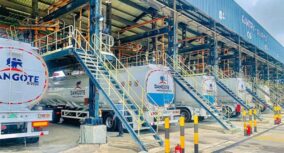
Tema Oil Refinery (TOR), Ghana’s premier refinery, has taken delivery of one million barrels of Nigerian crude oil in a significant step toward restarting refining operations and reducing the country’s heavy reliance on imported fuel products.
The country’s energy sector may be entering a new phase of industrial recovery and a significant step toward restoring sustainable refining operations after years of shutdowns caused by funding constraints, feedstock shortages, and maintenance challenges.
According to reports, TOR can now process crude supplied by third-party partners through a tolling arrangement, allowing the refinery to improve output while reducing the capital burden of crude procurement.
The 45,000-barrel-per-day refinery said the shipment forms part of efforts to restore stable refining activity, strengthen national energy security and cut Ghana’s dependence on imported refined petroleum products.
However, beyond the refinery operations, the move offers broader implications for the West African country, such as enhanced energy security, reduced dependence on imported refined products, improved downstream fuel supply stability, and lower exposure to global fuel price volatility.
The delivery represents one of the refinery’s most important feedstock receipts in recent years as management pushes to return the facility to commercially sustainable operations after years of shutdowns, financial strain and operational setbacks.
According to the refinery, the cargo was purchased from Shell and is expected to yield a range of petroleum products, including LPG, gasoline, diesel, kerosene, aviation fuel and fuel oil.
For Ghana, the delivery highlights greater participation in West Africa’s evolving refining market as regional refining capacity continues to expand.
Analysts believe TOR’s revival could play an important role in strengthening Ghana’s industrial and energy infrastructure.
What it means for Nigeria
Crude oil remains Nigeria’s largest export and a major source of foreign exchange earnings.
The transaction highlights Nigeria’s strategic role as a major crude supplier to West African countries. It shows that Africa’s most populous nation’s crude remains competitive and attractive to refineries in the region due to its quality and availability.
West African refineries are increasingly looking within the region for feedstock instead of sourcing crude from more distant suppliers, and Nigeria is positioning itself for this shift.
This could create a more stable market for Nigerian crude producers, especially as global energy markets become more competitive and buyers seek to reduce transport costs.


Join BusinessDay whatsapp Channel, to stay up to date
Open In Whatsapp