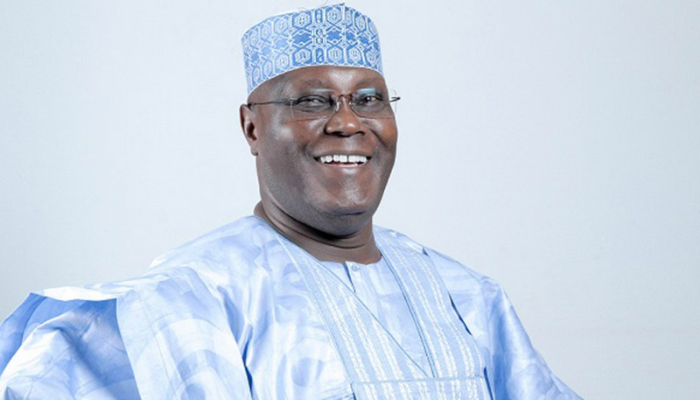
For decades, the name Atiku Abubakar has remained part of Nigeria’s political conversation. From serving as Vice President between 1999 and 2007 to contesting for the presidency multiple times, Atiku has become one of Nigeria’s most persistent political figures.
As discussions around the 2027 elections gradually begin, many Nigerians are once again asking the same question: Is Atiku’s continued ambition driven by passion for national service, or has it become political obsession?
Among young Nigerians, opinions remain divided.
Daniel Adeyemi, a Lagos-based professional, believes many youths are beginning to lose interest in older political figures.
“Experience matters, but many young Nigerians are tired of seeing the same names every election,” he said.
“People want fresh ideas and leaders who better understand present realities.”
Another youth voice, Solomon Segun, argued that repeated presidential attempts could weaken Atiku’s appeal.
Read also: Atiku moves to calm tensions, visits Amaechi after ADC presidential primary
“At some point, people begin to question whether the ambition is still about service,” he said. “Politics should also create opportunities for younger leaders.”
However, some analysts believe Atiku’s experience may still work in his favour.
Political analyst, Peter Faniyi said Atiku remains one of the few opposition politicians with nationwide political structure and influence.
“He understands coalition-building and has supporters across different regions,” he explained. “That kind of network still matters greatly in Nigerian politics.”
A public affairs commentator, Bukola Janet, also noted that Atiku could attract voters looking for economic experience.
“Some Nigerians still associate him with economic reforms and private sector growth during the Obasanjo administration,” she said. “In difficult economic times, that message could appeal to voters.”
Still, analysts say several factors may work against him if he contests again.
One major challenge is voter fatigue. Many Nigerians, especially youths, are demanding generational change in leadership. Critics argue that the country’s political space has remained dominated by older politicians for too long.
Questions about political consistency may also arise. Opponents often point to Atiku’s movement across political parties over the years, arguing it raises concerns about ideology and stability.
Regional politics may also shape his chances. Nigerian elections are often influenced by ethnic, religious and regional alliances, meaning broad support across the country would be crucial.
Despite these concerns, supporters insist Atiku should not be dismissed politically.
Another supporter, Hauwa Bello, a civil servant in Borno, said persistence should not always be seen negatively.
“If someone believes they still have something to offer, they have the right to keep contesting,” she said. “Persistence can also mean determination.”
Political observers say the coming months will reveal whether Nigerians still see Atiku as a credible alternative or a symbol of the old political order.
As the race toward 2027 gradually takes shape, the Atiku question remains unresolved: persistence, passion or political obsession?

Join BusinessDay whatsapp Channel, to stay up to date
Open In Whatsapp