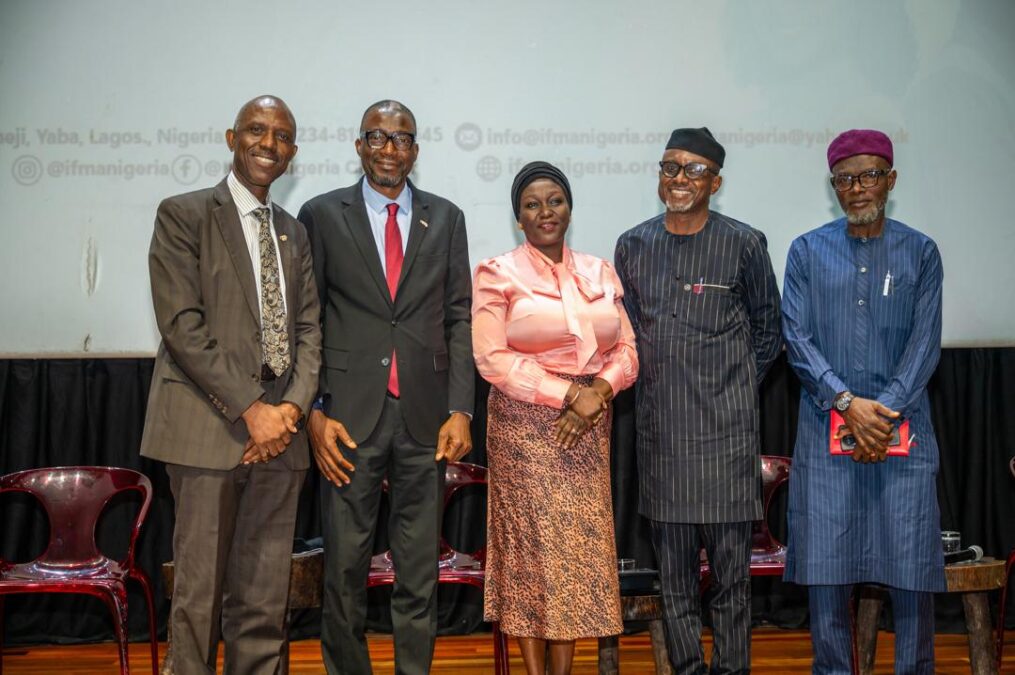
Stakeholders in the built environment and sustainability sectors have reinforced the critical role of facility management in shaping behaviour, fostering community connection, and driving sustainable urban living at the 2026 World Facility Management Day celebration organised by the International Facility Management Association (IFMA) Nigeria Chapter held at the Alliance Française Mike Adenuga Centre in Lagos.
The event, themed “Cultivating Belonging Through Built Environments,” brought together professionals, policymakers, sustainability advocates, and industry leaders to explore how built environments can create stronger, more inclusive, and people-centred communities.
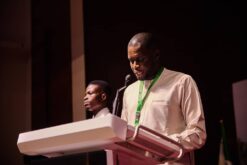
Delivering the keynote address, Olugbenga Onabanjo, Architect and Managing Partner, GYB Cojsults Limited, explained that built environments go beyond physical structures and must be intentionally designed to influence emotional connection, responsible behaviour, and civic consciousness.
Onabanjo noted that cultivating belonging requires deliberate investment in community-centred infrastructure, including walkable neighbourhoods, safe public spaces, green environments, and proper maintenance culture.
“Built environments are not just physical spaces; they are emotional and behavioural systems that shape how people think, interact, and behave. The environment sends messages every day, and when spaces are intentionally designed with safety, walkability, greenery, and proper maintenance in mind, they encourage connection, civic responsibility, and a stronger sense of belonging,” he said.
Speaking at the event, Sheriff Daramola, Engineer and President, IFMA, Nigeria Chapter, explained that facility management had evolved significantly in about three decades from informal maintenance practices into a strategic discipline that delivers measurable value across sectors including banking, healthcare, transportation, education, oil and gas, telecommunications, media, public infrastructure, and the broader built environment.
Daramola noted that strengthening Nigeria’s facility management sector requires deliberate investment in indigenous skill development, technology adoption, renewable energy systems, professional regulation, sustainable infrastructure practices, circular economy initiatives, shared operational systems, and globally competitive standards to position the sector as a key driver of economic growth, resilience, and sustainable urban development.
“Facility management plays a crucial role in shaping workplaces and public spaces that foster safety, inclusion, respect, and diversity. Professionalism in facility management is earned through impactful knowledge, value-driven service, process alignment, technology adoption, and sustainable best practices.
“As we mark World FM Day 2026, we must continue to strengthen recognition for the profession while advancing collaborations that ensure our built environments remain safe, efficient, resilient, and people-centred,” he added.
With a sense of pride, the President spoke glowingly about the only Nigerian recognised as one of the Top Global FM Influencer, Segun Adebayo, whose recognition has shown that Nigeria is shaping the future of facility management through innovation, leadership and measurable impact.
But, Tokunbo Wahab, Lagos State Commissioner for the Environment and Water Resources, represented by the Deputy Director, Office of Drainage, Services and Water Resources, Akinwumi Babatunde noted that the environment is the structure that aids human activities.
“With about 22 million persons in Lagos, there is a lot of pressure on the environment in the state, however, the Ministry is doing everything to ensure that residents stay healthy within the policy framework. Lagos has accelerated urban green initiative, deepen underground storm water management amongst others”, he said.
He charged FM professionals to deliberately factor in climate-risk and adopt green facility practice.
Titilayo Oshodi, Special Adviser on Climate Change and Circular Economy to the Governor of Lagos State, commended IFMA Nigeria for creating a platform that continues to unite professionals across the country while advancing discussions on inclusive and sustainable facility management practices.
Drawing from the State’s Eco-Circulate initiative, Oshodi noted that sustainable environments can only be achieved when communities are actively connected to and take responsibility for the spaces they occupy.
Also speaking, Laura Paeman, Managing Director, IFMA EMEA, noted that facility management professionals play a critical role in creating environments that are welcoming, respectful, and supportive of people’s wellbeing.
She added that the future of facility management lies in building workplaces and communities that are human-centred, sustainable, and adaptable to evolving societal needs.

Join BusinessDay whatsapp Channel, to stay up to date
Open In Whatsapp