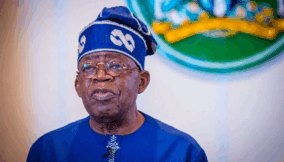
Tinubu says tax resistance threatens Nigeria’s development goals
President Bola Ahmed Tinubu has urged Nigerians to accept higher tax compliance and ongoing economic reforms, saying they are necessary to fund infrastructure, healthcare and national development. Speaking at the Africa CEO Forum in Kigali, he defended his administration’s policies, including fuel subsidy removal and foreign exchange liberalisation, arguing that stronger revenue generation is essential for sustainable growth and that Nigeria’s tax-to-GDP ratio must rise from about 13 percent to 18 percent.
He acknowledged the hardship caused by the reforms but insisted they are unavoidable, stressing that citizens cannot demand better public services without contributing through taxes. Tinubu also said the economy is stabilising despite short-term pain, reiterated support for local industries, and called for stronger regional cooperation on security, noting that Nigeria cannot address its challenges alone.
Shell levies in Nigeria sink to a decade low on the onshore exist
Shell Plc’s payments to the Nigerian government fell sharply to about $2 billion in 2025, the lowest in over a decade, as Brazil became its largest state beneficiary following a major shift in its global oil portfolio. The figure represents a 62% drop from $5.34 billion in 2024 and reflects Shell’s continued retreat from Nigeria’s onshore oil operations.
The payments covering entitlements, royalties, taxes, and fees were disclosed under UK transparency rules and followed Shell’s 2024 divestment of its onshore subsidiary to Renaissance Africa Energy Company. The company now focuses mainly on deepwater assets like the Bonga field, marking a structural decline in Nigeria’s importance to Shell’s upstream revenues.
Nigeria risk losing N20 trillion yearly to revenue leakages, Agbokoba warns
Nigeria is losing between N15 trillion and N20 trillion annually to systemic revenue leakages, a fiscal shortfall that is deepening the country’s debt burden even as government earnings continue to rise. A policy analysis by Olisa Agbakoba Legal (OAL) warned that the persistent failure to block leakages across key revenue-generating agencies is undermining fiscal stability and weakening the government’s capacity to fund infrastructure and social services.
The report linked the losses to weak enforcement of revenue remittance laws, especially constitutional provisions requiring full payment of public revenues into the Federation Account. It argued that without urgent reforms to plug loopholes in collection and accountability systems, Nigeria’s improving revenue profile will continue to be offset by inefficiencies, forcing greater reliance on borrowing to finance budget deficits.
Cooking gas prices hit N1500 per kg in Lagos amid supply shortage
tail prices of Liquefied Petroleum Gas (LPG), commonly known as cooking gas, have surged to about N1,500 per kilogram in parts of Lagos, adding fresh pressure on households already grappling with rising energy and living costs. The increase marks one of the sharpest short-term jumps in domestic gas prices, with consumers reporting higher costs at retail outlets across the state.
The spike is being attributed to supply constraints, exchange rate pressures, and distribution bottlenecks in the downstream gas market. Dealers say the rising landing and logistics costs are being passed on to consumers, while many households are increasingly switching to alternative fuels or reducing consumption as affordability worsens

Join BusinessDay whatsapp Channel, to stay up to date
Open In Whatsapp