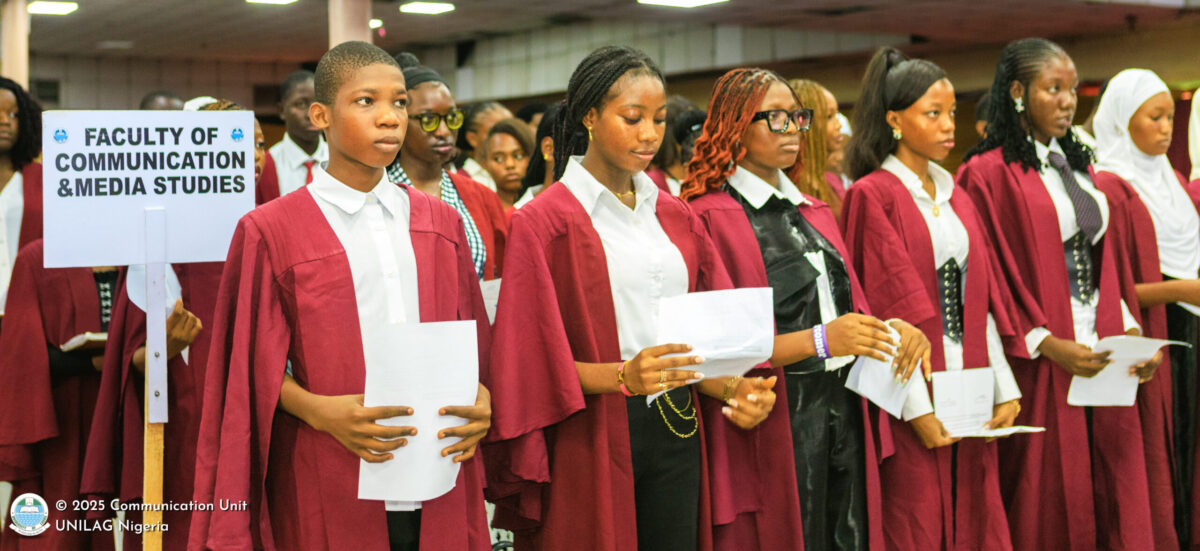
The federal government has reaffirmed 16 years as the minimum age requirement for admission into tertiary institutions across the country, putting to rest speculations over a possible review of the policy.
The decision was reached and announced during the 2026 Policy Meeting on Admissions to Tertiary Institutions held in Abuja, and it is expected to guide universities and other higher institutions in the upcoming admission process.
Recall in July 2024, Tahir Mamman, the then minister for education, had set 18 years as the minimum age for admissions into tertiary institutions before his removal from office.
Alausa then explained that he said that the policy decision reflects a balance between cognitive maturity and academic preparedness. Sixteen years of age for admission is non-negotiable. Institutions are hereby directed to ensure strict compliance.
“We understand there may be a few exceptional cases, and provisions have already been made for legitimate exceptions, especially for gifted children or those with accelerated educational progress,” he said.
The minister on Monday reiterated that the policy was designed to strike a balance between academic readiness and inclusivity in Nigeria’s tertiary education system.
“Following extensive consultations and policy reviews, the government has maintained 16 years as the minimum age for admission into tertiary institutions.
“This position reflects a careful balance between inclusivity and academic readiness,” Alausa noted.
However, the minister explained that while the government recognises the existence of exceptionally gifted candidates who may meet academic requirements earlier than the stipulated age, such cases would be handled under strict guidelines.
“While we recognise the existence of exceptionally gifted individuals, such cases must be treated within clearly defined and rigorously enforced guidelines to preserve the integrity of the system as a whole,” he said.
He said the framework is aimed at ensuring that early admissions do not compromise the maturity and preparedness required for tertiary education.
Alausa also used the platform to introduce policy adjustments affecting specific disciplines, including education and agriculture-related programmes, where candidates may now benefit from more flexible admission considerations under the new framework.

Join BusinessDay whatsapp Channel, to stay up to date
Open In Whatsapp