

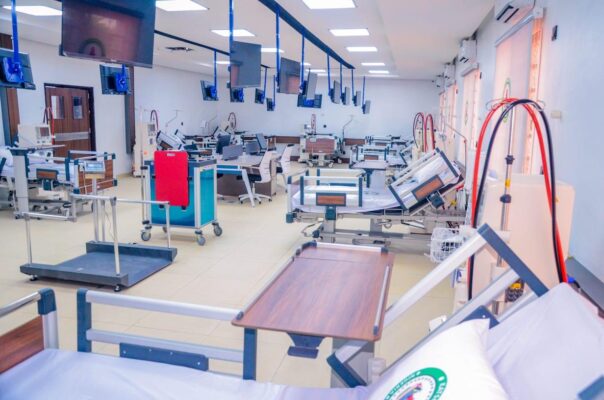
Katsina State is gaining national recognition as one of Nigeria’s emerging hubs for healthcare innovation, with the Secretariat of the Nigerian Governors’ Forum identifying the state as a growing example of how subnational governments can deploy technology, strategic financing and community-based healthcare systems to improve health outcomes.
At a time when Nigeria’s healthcare sector continues to grapple with inadequate funding, unequal access to care, workforce shortages and increasing demand for quality services, Katsina is being projected as a practical model for state-driven healthcare reform.
Speaking at a health forum in Abuja, the Director of the NGF Secretariat, Dr Afolabi Aiyela, described Katsina’s healthcare strategy as a benchmark for scalable and inclusive reform.
“Katsina isn’t just innovating; it is setting benchmarks for scalable, equitable healthcare,” Aiyela said.
Governor Dikko Radda of Katsina State attributed the progress to what he described as “data-driven governance and citizen-focused policies,” stressing that sustainable healthcare transformation is achievable when strong political will is backed by disciplined implementation.
The reforms introduced by the Radda administration are centred on four major areas — telemedicine, drug supply chain transparency, preventive community healthcare and public-private investment in underserved communities.
One of the flagship initiatives is a statewide telemedicine network connecting rural health facilities with specialists in urban centres through a digital platform.
The initiative is aimed at reducing the burden of long-distance travel for patients in remote areas while expanding access to timely medical consultation.
According to the Katsina State health report, consultation rates have increased by 45 per cent since the programme was launched. The state government has reportedly committed N5 billion to the initiative, which also integrates AI-supported diagnostic tools to enhance triage and clinical decision-making.
Katsina has also introduced a blockchain-backed drug supply chain system designed to track medicines from procurement to dispensing across public health facilities.
The initiative seeks to curb the circulation of counterfeit and substandard drugs, a long-standing challenge in Nigeria’s healthcare sector.
The Executive Secretary and Head of the Katsina State Drugs and Medical Supplies Agency, Pharm Fatima Sha’aibu, said the system has improved transparency and strengthened public confidence in the state’s drug distribution framework.
Preventive healthcare also remains a major pillar of the state’s reform agenda. Through community health hubs supported by mobile applications, Katsina is monitoring maternal and child health indicators in real time, enabling quicker interventions for vulnerable households.
State officials said the initiative has contributed to a 30 per cent reduction in infant mortality, reflecting the impact of early detection, routine follow-up and stronger community-based healthcare engagement.
In another effort to bridge healthcare gaps in hard-to-reach communities, the state is deploying solar-powered micro-hospitals through public-private partnerships.
The facilities are expected to provide round-the-clock basic and emergency healthcare services in areas where poor electricity supply and distance from major hospitals have historically limited access to medical care.

Join BusinessDay whatsapp Channel, to stay up to date
Open In Whatsapp


