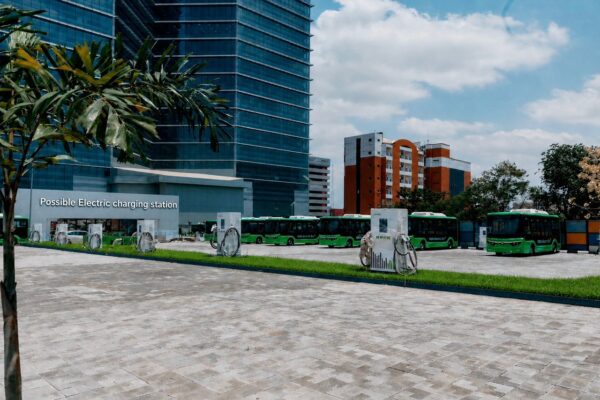
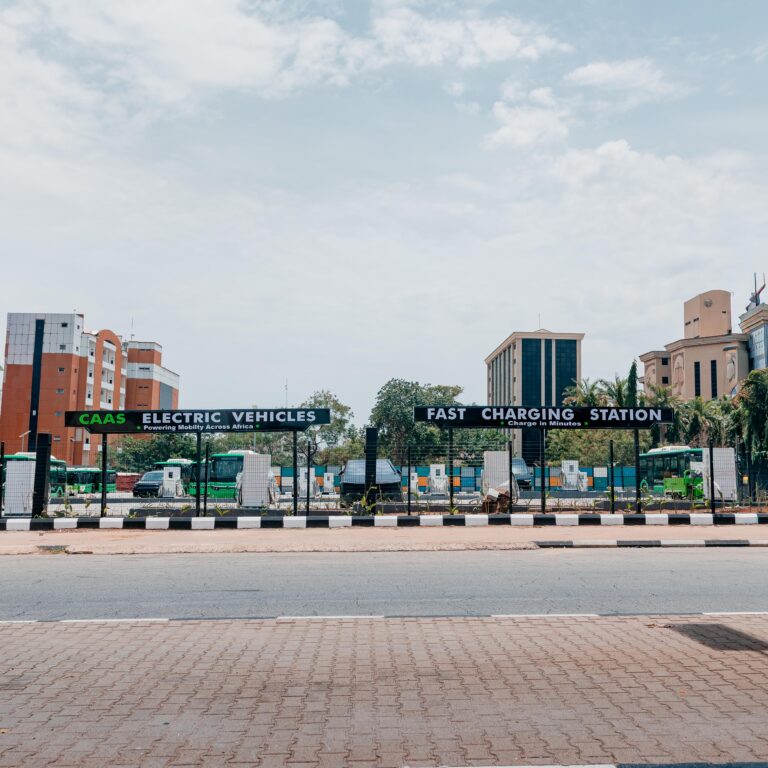
Nigeria, in a move to strengthen its position in Africa’s emerging electric mobility sector, has unveiled the continent’s largest electric vehicle (EV) charging hub in Abuja.
The landmark facility, powered by Possible Electric Mobility, is nearing full operation, and is designed to support high-volume daily use, with the capacity to charge over 1,000 electric vehicles daily.
The development comes amid growing policy support for electric mobility under the current administration, placing the installation among the highest-capacity EV charging hubs globally.
Recent fiscal measures, including the reduction of import duties on electric vehicles and mass transit buses to zero percent, have significantly improved affordability and accelerated market adoption.
Industry observers note that this clear policy direction is unlocking private sector investment in clean transport infrastructure, positioning Nigeria as a leader in the continental EV transition.
Possible Electric Mobility operates an integrated model that combines vehicle financing, charging infrastructure powered by CAAS, and dedicated fleet maintenance, an approach designed to remove the traditional barriers to large-scale adoption of electric buses and commercial fleets.
Mosope Olaosebikan, founder and chief executive officer emphasised that the project represents a major step in building a scalable transport ecosystem.
“This is not just about infrastructure. It is about building the system that enables electric mobility to scale in Nigeria. We are creating the platform that allows operators to transition seamlessly at scale,” Olaosebikan said.
Analysts point out that infrastructure of this scale is critical to enabling the widespread deployment of electric buses across major cities.
This transition is especially vital as Nigeria seeks to reduce transport costs, cut emissions, and transition away from fossil fuel dependence.
Following the Abuja launch, Possible Electric Mobility plans to expand its charging infrastructure network across Nigeria and into other parts of West Africa, supporting the broader shift toward sustainable mobility across the region.

Join BusinessDay whatsapp Channel, to stay up to date
Open In Whatsapp