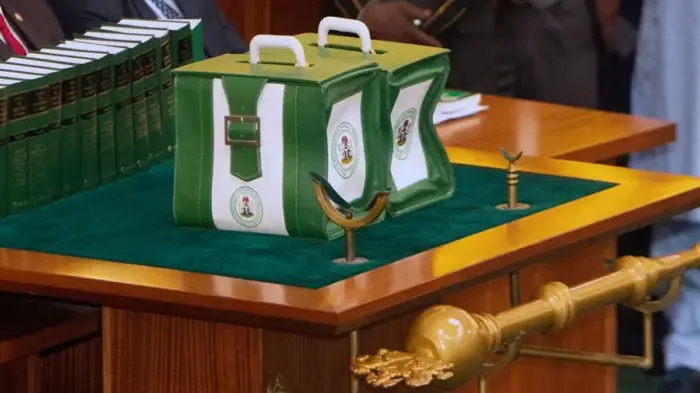
Nigeria’s plan to finance its widening budget deficit is facing growing scrutiny, as analysts argue the government is relying on the wrong playbook when a deeper, more sustainable solution lies in listing its vast state-owned assets on the stock market.
Africa’s biggest oil producer plans to
```
Members Only
Login or create an account to continue
This article is available to registered BusinessDay readers. Please login if you already have an account, or create a new account to continue reading.
New to BusinessDay? Register now and start reading.
```
Wasiu Alli
Wasiu Alli is a business, economics cum data journalist with strong expertise covering macro trends, capital markets, government policies, corporate earnings and comparative economics analysis. Alli turns raw data into trends that not only tells compelling stories but nudges investors to make valued and informed decisions. He’s an alumnus of Lagos State University and trained at Lagos Business School. He formerly heads the Companies and Markets desk at BusinessDay where he writes and supervises the production of well researched articles on earnings updates, corporate sectoral comparisons, market intelligence as well as interviews with C-suite executives.