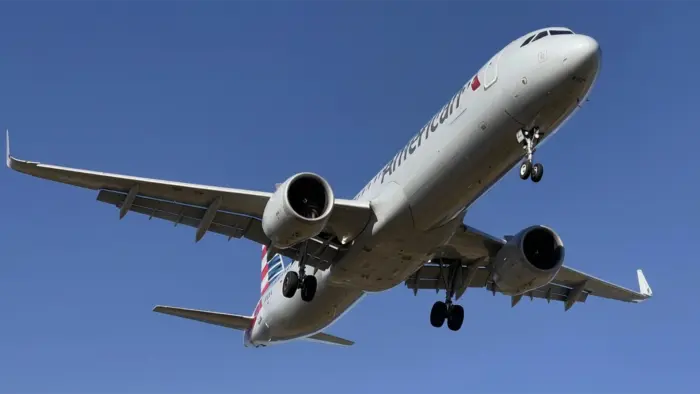
The Centre for the Promotion of Private Enterprise (CPPE) has insisted that while the recent 30 percent debt discount for domestic airlines is a welcome lifeline, it is merely a “short-term respite” for an industry struggling with several costs hindering business survival.
In a statement released on April 26, 2026, Muda Yusuf, CPPE chief executive officer, commended President Bola Ahmed Tinubu and Festus Keyamo, Aviation Minister, for the intervention. The approval allows struggling operators to shave off nearly a third of their outstanding obligations to federal agencies—a move aimed at stabilising a sector hit by a 300 percent surge in Jet A1 fuel prices over the last quarter.
However, the economist warned that the celebration should be brief. According to the CPPE, the real threat to the survival of Nigerian wings isn’t just past debt but a “hostile” present-day fiscal environment.
The CPPE highlighted a staggering industry estimate: cumulative charges from the Nigerian Civil Aviation Authority (NCAA), the Federal Airports Authority of Nigeria (FAAN), and the Nigerian Airspace Management Agency (NAMA) now swallow up to 35 percent of airline revenues.
“A level that is clearly incompatible with the thin margins typical of the aviation business,” Yusuf noted.
The statement detailed a fragmented and “overly burdensome” regime of fees that includes ticket and cargo sales charges, passenger service and facility fees, landing, parking, and boarding bridge charges, administrative and aircraft inspection fees, and heavy import duties on critical aircraft spare parts.
The CPPE argued that the sector’s health is now a matter of national integration and safety. As road travel becomes increasingly precarious due to insecurity across many parts of the country, air travel has evolved from a luxury for the elite to a vital artery for business mobility and trade.
Despite this strategic importance, the CPPE lamented a “persistently high airline mortality rate,” suggesting that without immediate cost reforms, more domestic carriers will follow the path of defunct predecessors.
To move beyond temporary bailouts, the CPPE is urging the Federal Government to undertake a comprehensive rationalization of aviation charges. The goal is a streamlined and moderated cost structure that enhances the “viability, competitiveness, and resilience” of local operators.
Yusuf emphasised that this is not just an economic plea but a safety imperative. Excessive financial pressure, he argued, creates a dangerous environment where operators might struggle to maintain the highest operational standards.
“Government support must go beyond debt relief,” the statement concluded. “What is needed is a reform of the aviation cost environment to ensure domestic airlines are not overburdened by charges that undermine investment, weaken service quality, and raise ticket prices for the average Nigerian.”

Join BusinessDay whatsapp Channel, to stay up to date
Open In Whatsapp