A successful partnership between British perfumer Sarah Baker and Nigerian niche fragrance firm Seinde Signature offers a clear lesson in international market adaptation: listen to the local expert, even if it means redesigning your product.
The recent launch of Baker’s ‘Velvet Vendetta’ and ‘Va Va Vanilla’ in Nigeria, a collaboration championed by Seinde Signature founder Olaseinde Olusola, reveals the unique demands and untapped potential of the West African nation’s luxury market.
The most telling detail of the partnership was Olusola’s non-negotiable demand for product size. Baker, whose international line typically features 35ml and 50ml bottles, was required to manufacture a 100ml size exclusively for the Nigerian consumer.
“I told her that until she has 100ml, we don’t have a deal,” Olusola recounted. “She had to go and manufacture 100ml for my market.”
For Olusola, this willingness to adapt was a mark of a committed partner. Baker’s compliance, which even involved changing her packaging, demonstrated respect for the local market’s needs and his expertise. “I feel more committed to her because I was the one who forced her to go and do 100ml,” he said.
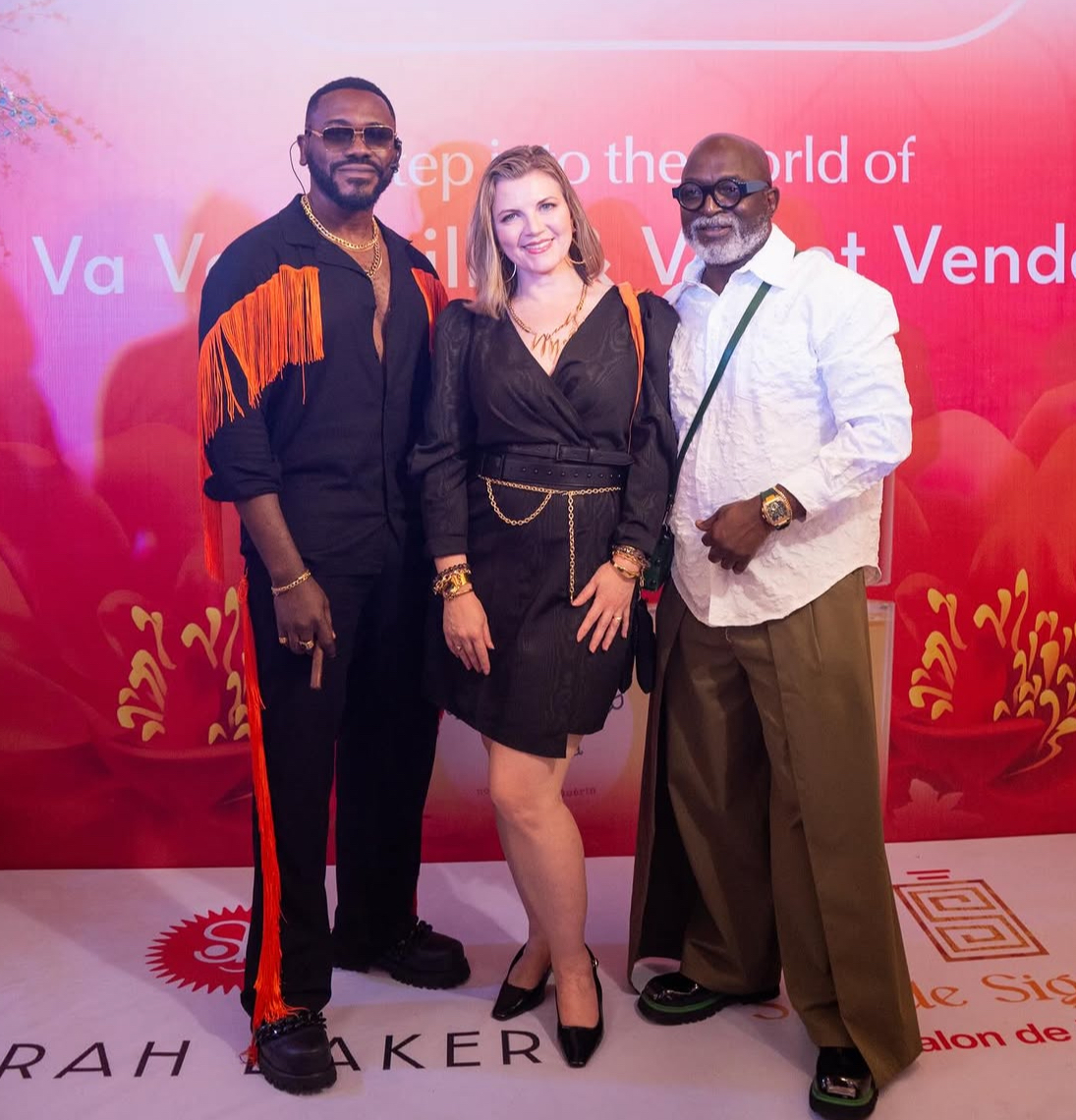
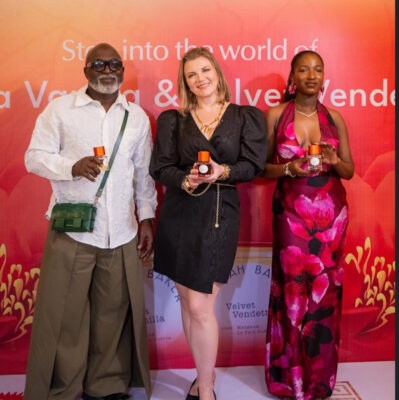
Baker’s brand identity is intrinsically linked to theater; she is a playwright who writes a unique script for every fragrance. During the Nigeria launch, this approach was brought to life on stage, where actors—including Nollywood actor Deyemi Okonlawon—performed a script Baker had written. This act of localizing the art behind the scent exemplified the spirit of the partnership. Baker remarked that she was “so happy” the actors “made it Nigerian, they made it their own.”
Beyond size, the success of niche fragrances in Nigeria is fundamentally tied to the climate and consumer culture. The heat requires perfumes to be robust to perform and last. Baker noted that the heat changes how scents smell and that her personal favorites while in Nigeria, such as ‘Va Va Vanilla’ and ‘Sherrod,’ are the stronger formulations that thrive in the heat.
Olusola further explained that Nigerian consumers are “so artistic and open-minded that they are actually really interested in smelling unique.” This openness drives interest in the niche market, which offers complex and distinctive scents beyond the mainstream designer brands.
Despite this enthusiasm, Olusola estimates that niche perfume has a market penetration of only about 10 percent. He attributes this low figure to a lack of consumer education, where most people still view mass-market designer scents as the benchmark for quality perfume.
Seinde Signature’s business model is therefore built around education and experience. The company’s 16 stores are designed as experience centers where customers can sit, relax, and understand the perfume’s story without pressure to buy. “We are storytelling education and everything, we are putting everything together so people can get to understand,” Olusola stated.
However, the primary obstacle for the growing industry is not consumer adoption but finance. Olusola pointed to a significant challenge in securing capital from Nigerian financial institutions.
“The only challenge in the perfume industry is money. This business is a multi-billion-dollar business,” he stated. “The banks are not ready to give you money because they don’t know what perfume is. As long as it’s not petroleum, they don’t send you.”
He argued that a lack of education among banks regarding “success in artistic enterprises” means anything outside of “Oil and gas, or real estate… they feel is a joke.” This financial gap remains a major hurdle for entrepreneurs in Nigeria’s creative economy.
The strategic shift to 100ml bottles, combined with a focus on strong, evocative fragrances, a commitment to consumer education, and the need for capital, provides a comprehensive view of the opportunities and difficulties for global brands looking to succeed in a sophisticated, climatically unique, and underserved market.

Join BusinessDay whatsapp Channel, to stay up to date
Open In Whatsapp