Stakeholders in Nigeria’s spirits and wines industry have raised fresh concerns over the proliferation of counterfeit alcoholic products, warning that the trend poses serious risks to public health, undermines legitimate businesses, and deprives the government of critical revenue.
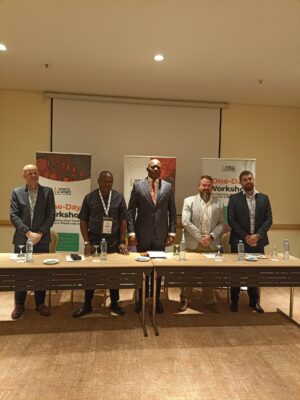
The alarm was sounded at a one-day stakeholder workshop convened in Abuja by the Spirits and Wines Association of Nigeria (SWAN), where regulators, policymakers, enforcement agencies, and industry players gathered to chart a coordinated response to the growing menace of illicit trade.
The workshop, themed “Combating Illicit Trade in the Spirits and Wines Industry in Nigeria,” highlighted the scale and impact of counterfeit alcohol, with participants noting that fake wines and spirits now account for a significant share of products in circulation.
Recent actions by the National Agency for Food and Drug Administration and Control (NAFDAC), which in January 2025 confiscated adulterated alcoholic beverages worth about N5 billion in Aba, Abia State, uncovering over 240 illegal factories involved in the production of counterfeit drinks.
Read also:
Lagos clarifies solar fee, limits charge to social housing estates
Tony Okwoju, Director-General of SWAN, revealed that illicit trade in the sector reached about 40 percent in 2024, indicating that roughly two out of every five bottles sold in Nigeria are counterfeit or illegally produced.He added that the Federal Government is estimated to be losing about N428 billion annually in revenue due to illicit alcohol trade.“This suggests how widespread the problem has become.
In 2024, the level of illicit trade in Nigeria, in alcohol, in spirits and wines in Nigeria, was 40%.“Which suggests that for every one, of every five bottles sold, we have illicit trade. So that alone gives you a share of that. But there is a sense, if you will, of how heavy the abuse is.“In terms of value, I’m sorry, I don’t remember how much but I think the government was losing something in the range of 428 billion, you know, in revenue,” he said
Okwoju stressed the need to move from dialogue to implementation. “We have identified practical strategies, from strengthening enforcement to improving regulatory alignment and raising consumer awareness.
The focus now must be on execution,” he said.Beyond financial losses, stakeholders stressed the human cost of the crisis, citing cases of illness, loss of life, and property damage linked to the consumption of adulterated drinks.
Micheal Ehindero, SWAN President, emphasised that the issue goes beyond industry concerns, describing it as a national emergency requiring urgent and collective action.“Illicit trade in spirits and wines is not just an industry issue, it is a national concern. It undermines consumer safety, erodes government revenue, and distorts fair competition,” he said.
Read also:
US slams China’s pressure on African countries to block Taiwan president’s trip – Reuters
Ehindero noted that the drivers of illicit trade are multifaceted, ranging from consumer demand for cheaper alternatives to systemic regulatory challenges and high taxation, which can create incentives for illegal activities.
He stressed that while economic losses are significant, the focus should remain on safeguarding human lives. “There is no value you can place on human life. The real impact is seen in the tragedies caused by these dangerous products,” he added.
In his address, Tunji Bello, Executive Vice President and Chief Executive Officer of the Federal Competition and Consumer Protection Council (FCCPC), commended SWAN for organising the workshop to discuss a matter of critical importance to the country.
Several popular international and local brands have been targets of counterfeiting, further underscoring the scale and sophistication of illicit networks.
A key outcome of the workshop was the consensus that no single entity can address illicit trade alone. Stakeholders called for stronger collaboration between government agencies and the private sector, improved enforcement of existing regulations, and sustained public awareness campaigns to reduce demand for counterfeit products.
SWAN reaffirmed its commitment to supporting enforcement efforts, promoting compliance among its members, and working with authorities to curb illicit trade while protecting consumers.The association also underscored the role of the media in driving awareness and accountability, noting that sustained public education is critical to discouraging the consumption of fake alcoholic products.