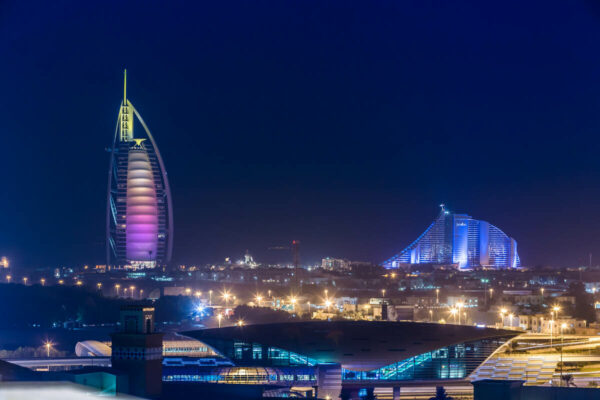
Dubai’s usually buzzing hospitality scene, long a magnet for Nigerian holidaymakers, shoppers and corporate travellers, is facing one of its toughest slowdowns in years, as the ongoing US-Israel-Iran conflict disrupts travel flows into the Gulf.
For many Nigerians, Dubai is not just another international destination; it is a default choice. From December trips to quick visa runs, luxury shopping, and family holidays, the city has built a reputation as an accessible, aspirational hub. But over the past month, that pipeline has thinned sharply.
Restaurants that once thrived on a steady mix of tourists and expatriates are now operating at a fraction of normal capacity. Operators say revenues have dropped by more than half in some locations, with tourist-dependent outlets recording declines as steep as 70–80 percent.
“The current situation is brutal,” one hospitality operator told BBC, describing the difficult choice between cutting jobs and reducing salaries to stay afloat, a decision increasingly common across Dubai’s service economy.
The disruption extends far beyond restaurants. Dubai’s broader tourism ecosystem, hotels, airlines, travel agencies, and transport services, is under pressure as flight cancellations, security concerns and uncertainty keep visitors away.
The numbers tell the story. Dubai welcomed 19.59 million international visitors last year, cementing its place as one of the world’s most visited cities., it ranked among the top outbound travel destinations, thanks to relatively flexible visa policies, frequent flight connections, and its positioning as a luxury-meets-convenience hub.
That momentum has now stalled.
Air travel into the city has been significantly affected, with thousands of flights disrupted since the conflict began. Dubai International Airport, the world’s busiest airport for international passengers, has at times operated below capacity, creating ripple effects across global travel schedules.
Hotels, meanwhile, are seeing a steep drop in occupancy. Industry data shows occupancy levels falling to as low as 15–20 percent in the weeks following the outbreak of the war. In response, many properties, including high-end resorts on Palm Jumeirah, have slashed room rates by up to 50 percent to attract the limited pool of visitors and residents still willing to travel.
Dubai’s role as a global events hub is also under strain. Conferences and exhibitions, which typically draw business travellers from finance, tech and trade sectors, are being deferred, complicating travel planning and reducing short-term demand.
The impact is cascading down to workers, many of them migrants, who power Dubai’s hospitality industry. Reduced hours, unpaid leave, and layoffs are becoming more common as businesses cut costs to survive the downturn.
Read also US firms evacuate staff from Dubai; investors move capital
“It feels like the Covid period again,” one worker said, reflecting a growing anxiety across the sector.
The slowdown comes after years of aggressive expansion. Dubai had successfully rebounded from the pandemic, attracting a broader mix of luxury and mid-market travellers, including a rising number from Africa. That growth spurred a surge in hotel developments and short-term rental listings, supply that is now under significant pressure.
Data shows over 226,000 short-term bookings were cancelled across the UAE within the first month of the conflict, underscoring the scale of the disruption.
There are wider implications for global travel patterns. Analysts estimate that the Middle East could see tens of millions fewer visitors this year if the conflict persists, with billions of dollars in tourism spending at risk.
Dubai authorities are already moving to cushion the blow, announcing a $272 million support package for businesses, including relief measures for hotels. Plans are also underway to relaunch tourism campaigns once the situation stabilises.
For Nigerian travellers and businesses alike, the outlook hinges on how quickly the conflict is resolved.
If tensions ease in the coming months, industry players expect a rebound by the final quarter of the year, just in time for the peak festive travel season that typically sees thousands of Nigerians flock to Dubai.
But if the crisis drags on, Dubai’s status as the go-to international escape for Nigerians could face a temporary reset, as travellers look to alternative destinations offering both affordability and stability.

Join BusinessDay whatsapp Channel, to stay up to date
Open In Whatsapp