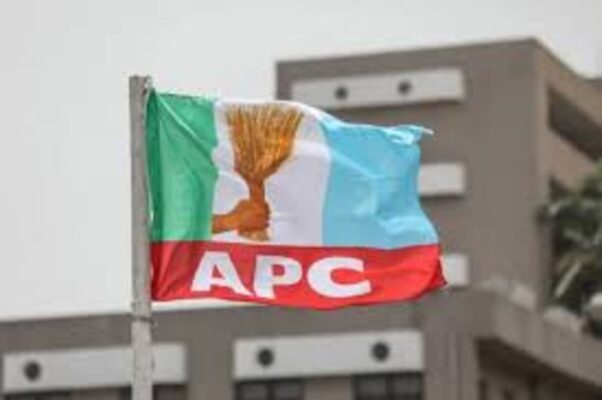
A legal practitioner, Chimezie Nwodo, Esq, has invoked the provisions of the Freedom of Information (FOI) Act, 2011, demanding that the Enugu State Structures for Signage and Advertisement Agency (ENSSAA) confirm whether the All Progressives Congress (APC) paid the N150 million advertising permit fee required ahead of its March 3, 2026 state congress.
In a letter addressed to the agency’s General Manager, Francis Aninwike, Nwodo called for the release of documents and any material information confirming compliance with the directive mandating political parties to obtain the permit before deploying campaign materials. The correspondence, dated March 13 and acknowledged by the agency on March 17, was titled “Request for Information Pursuant to the Relevant Provisions of the Freedom of Information Act, 2011: An Open Letter.”
He referenced a February 2026 directive issued by ENSSAA under Aninwike’s leadership, which introduced a N150 million advertising permit fee for political parties and candidates. The directive, he noted, grants parties the right to deploy and display campaign materials in connection with the 2026 local government elections and the 2027 general elections.
Nwodo specifically requested “documents and any other relevant information evidencing payment of the mandatory N150 million advertising permit fee,” which confers on political parties the right to deploy and/ or display campaign items such as banners, branded vehicles, T-shirts and handbills.
Citing observations from the APC’s state congress held on March 3, 2026 at Michael Okpara Square in Enugu, the lawyer noted that the event featured widespread use of branded campaign materials. According to him, the media space was “awash with videos and pictures” showing banners, branded vehicles, T-shirts, face caps, handbills and mufflers displayed by party members during the exercise. He further pointed to the proliferation of APC-branded billboards across Enugu metropolis as an indication of extensive campaign visibility.
The FOI request, Nwodo said, is intended to strengthen transparency and public accountability, stressing that the law empowers citizens to access official records and scrutinise the actions of public institutions.
The request has drawn attention to broader concerns around compliance with regulatory frameworks, openness in political spending, and the implementation of state-level advertising rules within Nigeria’s electoral system.

Join BusinessDay whatsapp Channel, to stay up to date
Open In Whatsapp