Iran’s intelligence chief killed as strikes decimate leadership ranks
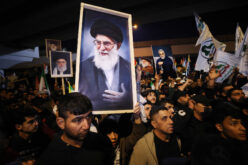
Esmail Khatib has been killed in an air strike, Iran’s president Masoud Pezeshkian confirmed, marking the latest high-profile casualty in a widening campaign targeting Tehran’s leadership.
Iran described the killing as a “cowardly assassination”, blaming Israel, which had earlier announced responsibility for the strike. The development comes amid a series of targeted killings that have reshaped Iran’s command structure, including the reported deaths of senior figures such as Ali Larijani and Gholamreza Soleimani.
The strikes follow the earlier assassination of Ali Khamenei at the outset of the war, signalling a sustained effort to weaken the Iranian state’s political and military leadership. Tehran has vowed continuity, insisting those killed will be replaced as the conflict intensifies.
Trump criticises NATO reluctance over Hormuz as alliance holds back
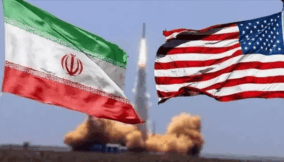
Donald Trump has accused NATO allies of making a “foolish mistake” by refusing to support US-led efforts to secure the Strait of Hormuz.
Speaking at the White House alongside Micheál Martin, Trump said most alliance members had declined involvement in the conflict with Iran, which many view as lacking legal basis under international law.
Despite criticising their stance, Trump insisted Washington could act alone if necessary, while maintaining that allied participation would be fairer given the global reliance on oil shipments through the strait. No country has yet formally committed to joining the proposed naval effort.
US expands visa bond policy targeting dozens of countries
The United States Department of State has expanded its visa bond programme, requiring applicants from an additional 12 countries to pay up to $15,000 as a condition for entry.
The move brings the total number of affected nations to 50, many of them in Africa, as the administration of Donald Trump continues efforts to tighten immigration controls.
Officials say the policy is designed to reduce visa overstays, citing data suggesting high compliance among participants. Critics, however, argue the requirement disproportionately affects travellers from lower-income countries and risks deepening global mobility inequalities.
Iran escalates regional strikes hitting Qatar and Saudi targets
Iran has widened its military campaign across the Gulf, striking energy infrastructure in Qatar and launching missiles toward Saudi Arabia following damage to its key gas facilities.
Missiles hit Ras Laffan Industrial City, a major energy hub operated by QatarEnergy, causing extensive damage. Saudi authorities said they intercepted multiple ballistic missiles and a drone targeting facilities near Riyadh.
The escalation follows an earlier strike on Iran’s South Pars gas field and has pushed global oil prices sharply higher, with benchmark crude rising above $100 per barrel. The attacks underscore the growing risk of prolonged disruption to global energy supplies as the conflict spreads across critical Gulf infrastructure.
Iran intensifies internal crackdown amid war pressures
Iranian authorities have announced a sweeping internal security operation, claiming to have dismantled more than 100 alleged anti-government cells across the country.
The Ministry of Intelligence said the arrests targeted individuals accused of collaborating with the United States and Israel, amid fears of internal unrest during wartime.
Officials reported the seizure of weapons and urged citizens to report suspicious activities, signalling heightened concern within Tehran over domestic stability as external military pressure mounts.
AFRICA
Congo’s Sassou secures fifth term extending decades in power
Denis Sassou Nguesso has been declared the winner of a fifth consecutive presidential term, extending a rule that has spanned nearly four decades.
Provisional results announced by the government showed Sassou Nguesso securing an overwhelming majority of the vote. However, opposition groups boycotted the election, citing concerns over fairness and the detention of key political figures.
The outcome reinforces one of Africa’s longest-running political tenures, raising renewed questions about democratic processes and political continuity in the Republic of the Congo.
Kenya charges suspects in growing ant trafficking network
Authorities in Kenya have charged a Chinese national and a local accomplice over an attempt to smuggle more than 2,000 live ants out of the country.
The suspects, including Zhang Kequn and Kenyan national Charles Mwangi, were arrested after the insects were discovered concealed in luggage at Jomo Kenyatta International Airport.
Officials say the case highlights a shift in wildlife trafficking toward lesser-known species, driven by demand from collectors who maintain insect colonies in specialised habitats. Both men have pleaded not guilty as investigations continue into the broader smuggling network.
Belgian diplomat to stand trial over Lumumba assassination
A Belgian court has ordered Etienne Davignon to stand trial over the 1961 killing of Patrice Lumumba, in a landmark case linked to one of Africa’s most consequential political assassinations.
Lumumba, a central figure in the independence of what is now the Democratic Republic of the Congo, was overthrown and killed months after taking office, in an episode long associated with foreign interference.
A 2002 parliamentary inquiry found Belgium “morally responsible” for his death. The upcoming trial marks the first time an individual faces prosecution in connection with the assassination, decades after the event.
Uganda reintroduces rhinos after four decades of extinction
Rhinos have returned to Kidepo Valley National Park for the first time in more than 40 years, in a major step for wildlife restoration.
Two southern white rhinos have been relocated to the wild, where the species was wiped out in the 1980s due to poaching and political instability. Conservationists plan to introduce additional animals as part of a long-term effort to rebuild the population.
Uganda once hosted hundreds of rhinos across its parks, but decades of conflict and illegal hunting led to their disappearance. The reintroduction marks a significant milestone in reversing that decline.
Egypt’s energy costs surge as global prices spike
Egypt is facing mounting economic pressure as energy import costs soar following rising global fuel prices linked to the Iran conflict.
Prime Minister Mostafa Madbouly said the country’s gas import bill has nearly tripled, while overall energy costs have more than doubled compared to pre-war levels.
The surge reflects sharp increases in global oil and diesel prices, complicating efforts to stabilise Egypt’s economy and maintain industrial production. Officials warn that sustained high prices could further strain public finances in the months ahead.

Join BusinessDay whatsapp Channel, to stay up to date
Open In Whatsapp