Nigeria’s event industry records high levels of activity each year, particularly in cities such as Lagos and Abuja. Weddings, corporate functions, and social gatherings draw planners, designers, caterers, and production teams who turn concepts into finished experiences. The sector generates significant revenue and supports many creative professionals. Yet behind the visible output, many businesses in the industry operate without clear operational systems.
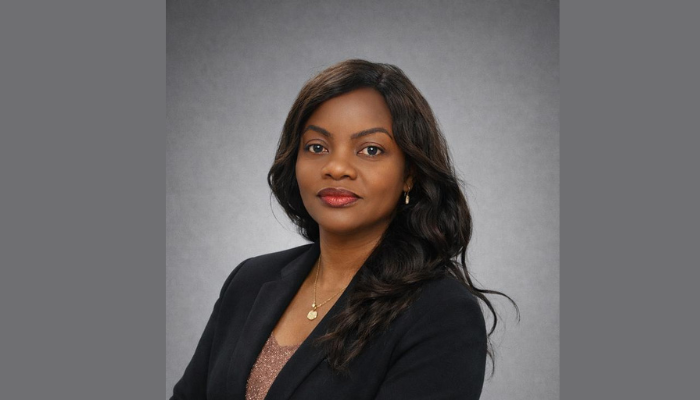
According to architect and business strategist Theresa Aisha Mebitaghan, the sector’s main challenge is not talent but the absence of structure. Event planners and stylists often produce strong creative work, but many struggle with pricing models, operational processes, and long-term growth strategies.
“Nigeria’s events industry has never lacked creativity,” she says. “The talent is visible at almost every major function. But the systems that support the business side of the work are often missing.”
Industry participants say the situation affects sustainability. Many businesses depend on personal relationships and ad-hoc decisions rather than structured frameworks. Pricing is often determined by negotiation rather than cost analysis. As a result, revenue does not always reflect the amount of labour and resources involved in delivering events.
Mebitaghan has spent more than a decade working to address this gap. Trained as an architect, she holds master’s degrees in architecture and construction project management. Her academic background focuses on translating complex ideas into structured projects with defined processes and timelines.
In 2010, she founded BeeZees Creations in the United Kingdom. The company later expanded into The BeeZees Group, which now operates across the UK and Nigeria. The organisation works in event production, training, and consultancy.
Her approach centres on introducing formal business systems to creative professionals. “This is one of the few industries where people operate for years without a proper pricing model or execution system,” she says. “We don’t need more talent. We need structure.”
Through the BeeZees Training Academy, Mebitaghan offers programmes that focus on business fundamentals. The courses are CPD-certified and designed for people already working in event planning, styling, or production. Participants learn how to build pricing frameworks, design operational systems, and position their services for long-term clients.
One of the academy’s programmes is The Elevated Event Planner & Stylist™️ Masterclass. The course compiles operational practices developed through the company’s work across different markets. According to Mebitaghan, the programme focuses on enterprise management rather than creative inspiration.
“It is not a motivation seminar,” she says. “It is a business education for people who already know their craft but need to strengthen the enterprise around it.”
Her work also extends beyond the event sector. In Nigeria, she has collaborated with institutions on digital governance and training programmes that integrate artificial intelligence into public-sector operations. In the UK, the BeeZees Young Creatives Project introduces structured creative pathways for sixth-form students interested in careers in the creative economy.
As Mebitaghan increases her work in Nigeria, she says the timing reflects broader economic shifts. The country’s creative economy continues to grow, but many professionals lack the business structures required to scale their work.
“The future of this industry isn’t about who can design the most beautiful space,” she says. “It’s about who can build a business that operates efficiently, grows consistently, and earns sustainably.”
For Mebitaghan, the goal is clear. Creativity can open opportunities in Nigeria’s event industry, but long-term progress depends on the systems that support the people behind the work.

Join BusinessDay whatsapp Channel, to stay up to date
Open In Whatsapp