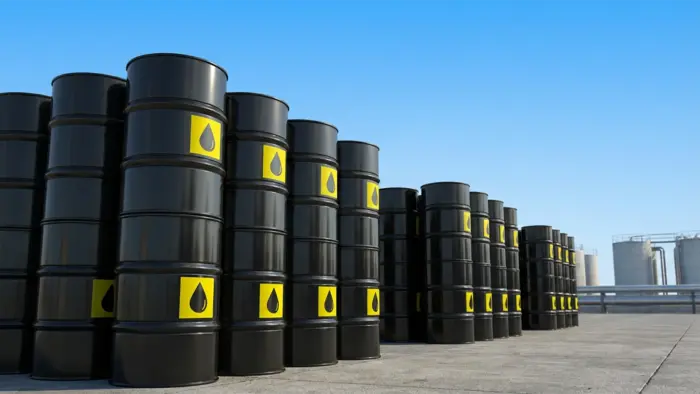
Embattled Iran says the world should expect oil price to rise as high as $200 a barrel following the its war with Israel and the United States.
Iran’s threat followed news that the International Energy Agency and its member countries would release 400 million barrels of oil, the largest reserves distribution in history, in a bid to bring down crude prices that have soared during the war with Iran.
It said 32 member countries had unanimously agreed to make emergency reserves available to the market.
The release would take place over a timeframe that was appropriate to the national circumstances of each member country, the IEA said.
The agency’s secretariat would provide further details of how the collective action would be implemented in due course, it added.
Three vessels have been hit by unknown projectiles in the Strait of Hormuz, maritime security and risk firms said on Wednesday.
That brings the number of ships struck in the region since the Iran conflict began to at least 14.
The Thai-flagged Mayuree Naree dry bulk vessel had been struck by “two projectiles of unknown origin”, causing a fire and damaging the engine room, the ship’s Thai-listed operator Precious Shipping said in a statement.
“Three crew members are reported missing and believed to be trapped in the engine room,” Precious Shipping said.
“The company is working with the relevant authorities to rescue these three missing crew members,” it said, adding that the remaining 20 crew members had been safely evacuated and were ashore in Oman.
Images provided by the Thai navy showed smoke pouring out of the back of the ship.
Iran’s Guards said in a statement carried by the Tasnim news agency that the ship was “fired upon by Iranian fighters”, suggesting the first direct engagement by the Guards who have previously fired missiles or drones.
A blockage of the strait is the kind of scenario that led Western nations and their allies to create the IEA in 1974 in the wake of the Arab oil embargo. The agency, a club of 32 Western nations and their allies, sets guidelines for how much crude member countries must keep in their reserves and coordinates releases to protect economies from oil market turmoil.

Join BusinessDay whatsapp Channel, to stay up to date
Open In Whatsapp