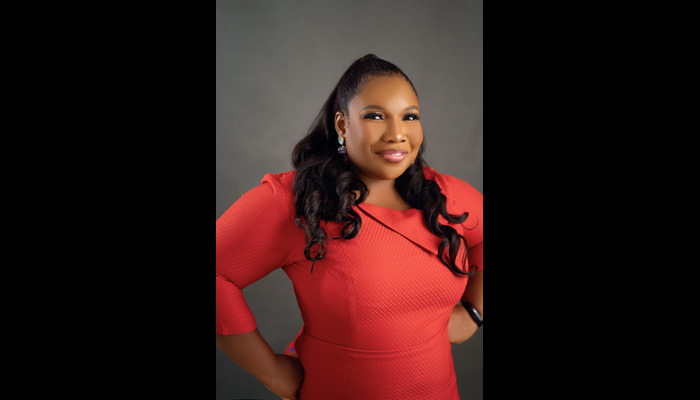
Glory Edozien, PhD, a career visibility and thought leadership expert, has emphasised that women’s biological roles, particularly childbirth, should never become a barrier to career growth.
Speaking on a recent TV programme to mark International Women’s Day, she highlighted the challenges women encounter in the workplace and the steps organisations must take to support their growth effectively.
“If a woman biologically is the only one that can give birth, you cannot punish her for giving birth,” Edozien said. “You need to create policies that allow for equity and equality in the workplace.” She emphasised that assumptions about women’s availability after maternity leave often result in them being excluded from high-level assignments or leadership opportunities, undermining their career progression.
Edozien highlighted practical examples of supportive workplace policies. “If a company is sending a woman who has just given birth or has a toddler abroad for an international assignment, they can give her additional money or additional allowance for house help support. These kinds of things really show that organisations are committed to equality and the advancement of female leadership,” she explained.
Beyond fairness, she stressed that gender inclusion makes sound business sense. “We’ve seen that diversity in leadership leads to financial performance,” Edozien said. “This is not just a moral issue. This is a financial imperative. If you’re a company that is serving communities, you want to make sure that your leadership looks like the communities you serve.”
Edozien also addressed a common misconception about women in the workplace. “I think women are fantastic supporters of women. You and I can work in a workplace and just because we are women and we don’t get along, it’s not because women are not supporting women. Fundamentally, there are relationship issues we need to sort out,” she said. She encouraged women to give each other a break and not judge colleagues too harshly, noting, “Sometimes we, as women, judge women the hardest.”
While acknowledging progress, she warned that much more needs to be done to break through leadership barriers. “We now have more women on boards, more female chairpersons and the like. But what about power? Let’s look at politics, where real power where the woman is legislating and ensure that policies are actually implemented. We’re not at the table. Why is the power missing?” Edozien pointed to financial constraints, security concerns, and the persistence of patriarchal ‘boys clubs’ as significant obstacles to women’s participation in decision-making.
Read also: IWD 2026: Oyo NUJ celebrates women journalists, commends their resilience
She also outlined steps to create a more equitable workplace. “First of all, women themselves have to want to be part of the decision-making table. Second, we need the gatekeepers to actually open the gates. And then the third thing is structure, we need structures to facilitate these commitments and these issues,” Edozien explained.
Edozien’s insights underscore the need for organisations to go beyond symbolic gestures, ensuring women have both opportunity and authority in the workplace. Her advice offers a clear roadmap for companies striving for genuine gender equity while also improving performance and organisational culture.

Join BusinessDay whatsapp Channel, to stay up to date
Open In Whatsapp